Sauces & Condiments
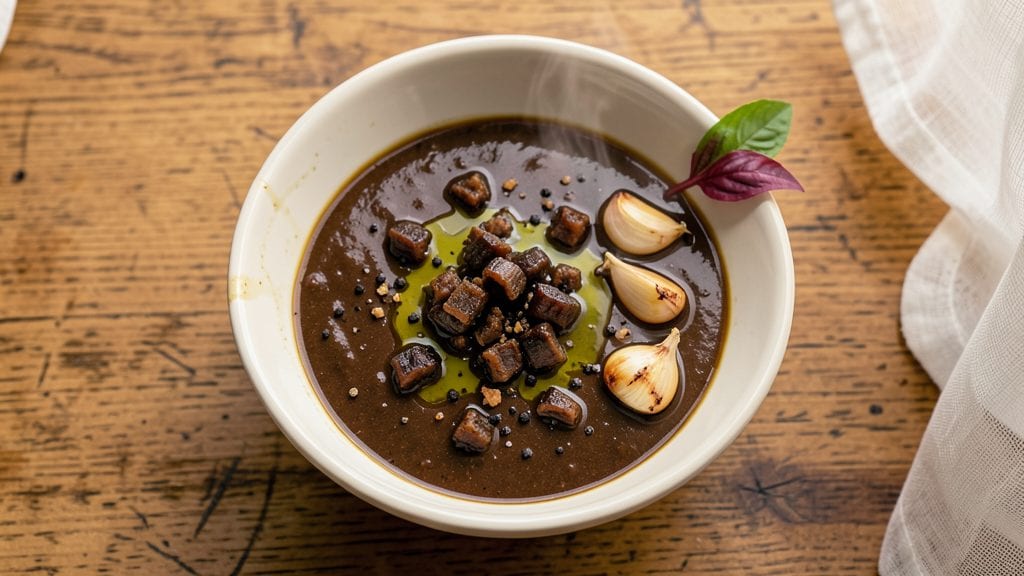
This anchovy sauce recipe transforms simple ingredients into a concentrated umami powerhouse that elevates everything from pasta to pizza crusts. The secret lies in balancing salty anchovies with bright vinegar and aromatic garlic, creating a sauce that's bold yet versatile.
I developed this version after realizing store-bought options never quite captured that perfect depth of flavor.
What makes this sauce special is its foolproof simplicity—just six ingredients blend together in minutes, yet the result is restaurant-quality depth. The key technique involves simmering the anchovies into the oil until they dissolve completely, creating a silky emulsion that coats every bite.
This sauce is shelf-stable for up to two weeks, making it perfect for batch cooking.
By the time you're done, you'll have a rich, savory sauce with just the right balance of saltiness and acidity. Drizzle it over spaghetti, mix into marinara, or use as a pizza base—it transforms ordinary dishes into something extraordinary.
The best part? You'll never want to go back to bottled versions.
For extra complexity, try adding a pinch of red pepper flakes or a splash of balsamic vinegar. This sauce is your new kitchen secret weapon—let's make it.
Ingredients for anchovy sauce
Six ingredients, umami overload—this sauce is your kitchen game-changer for pasta and pizza.
| Ingredient | Amount | Notes |
|---|---|---|
| Anchovy Fillets 🐟 | 4 oz | High-quality, packed in olive oil |
| Extra-Virgin Olive Oil 🫒 | ½ cup | Fruity, peppery variety preferred |
| Garlic Cloves 🧄 | 3 cloves | Freshly minced, aromatic |
| White Wine Vinegar 🍷 | ¼ cup | Bright, acidic, dry |
| Diamond Crystal Kosher Salt 🧂 | ½ tsp | Fine grain, for seasoning |
| Freshly Ground Black Pepper 🌶️ | ¼ tsp | Coarsely cracked, for depth |
| Red Pepper Flakes 🔥 | ¼ tsp | Optional, for subtle heat |
Anchovies are the star here, so skip the canned kind—look for fresh fillets packed in olive oil at specialty markets or well-stocked grocery stores like Whole Foods or Trader Joe's. The oil they're packed in adds richness, so save it for the sauce! Garlic? Fresh is non-negotiable—the flavor difference is night and day. For vinegar, white wine vinegar keeps it bright, but apple cider works too if you're out. The olive oil should be extra-virgin, fruity, and peppery—none of that cheap stuff. Penzeys or California Olive Ranch are great brands if you want to splurge.
No anchovies? Substitute with 1 tbsp fish sauce or soy sauce—it won't be identical, but it'll get you close. Short on vinegar? Lemon juice at half the amount works in a pinch. The red pepper flakes are optional, but if you add them, toast them lightly in the oil first—that brings out their flavor. Want more depth? Add a pinch of sugar to balance the acidity, or swap white wine vinegar for balsamic vinegar for a richer taste. The sauce thickens as it cools, so thin with a splash of water if it gets too stiff.
This sauce keeps 2 weeks refrigerated in an airtight jar—it actually tastes better after a day or two as flavors meld. For longer storage, freeze in ice cube trays—perfect for adding to dishes later. I make a double batch and keep it in the fridge for quick pasta tosses. Label it clearly—this sauce is addictive, and you'll forget you made it!
Why You'll Love This Recipe
- Five-Ingredient Magic: I swear, this sauce is the kind of recipe that makes you question why you ever overcomplicated things. Just toss in anchovies, garlic, a splash of vinegar, and olive oil—no fancy gadgets, no stress—while the sauce simmers down to a rich, salty-sweet umami bomb.
- Umami in a Jar: Between us, anchovies pack more flavor than their size suggests. That deep, briny punch from the fillets, balanced by the sharp bite of vinegar and the mellow warmth of olive oil, hits differently. It’s the kind of taste that lingers, making every bite feel like a little reward.
- Pantry Staple Power: Honestly, this sauce is my go-to when I’m staring at a half-empty fridge wondering what to do. Drizzle it over pasta, toss it with roasted veggies, or slather it on toast—it elevates whatever you’re serving without needing a shopping spree.
- Leftovers That Don’t Suck: Unlike sauces that turn gloopy after day two, this one actually improves. The flavors meld even better, and a quick reheat with a splash of water keeps it silky. I’ve had it last a full week in the fridge, and it’s still the star of the meal.
Step-by-step instructions for anchovy sauce recipe
This bold, umami-rich sauce transforms simple dishes into Italian masterpieces—let's make it together.
Prepare the Anchovy Fillets
Start by draining the 4 oz anchovy fillets from their oil (save that oil for another use—it's packed with flavor). Place them in a small bowl and use a fork to break them into a coarse paste. I like to work quickly here because anchovies have an intense aroma that develops fast. If you're using fillets packed in oil, you'll notice they're already soft—this makes them easier to mash into a smooth base.
Add the 0.5 cup extra-virgin olive oil to the bowl and whisk vigorously until the anchovies dissolve completely. You're creating an emulsified base that will carry all the other flavors. The oil should turn a deep, rich amber color and have a salty, briny aroma. This step is crucial—if you skip it, your sauce will be grainy and uneven. Let the mixture sit for 5 minutes while you prep the remaining ingredients. This resting time allows the anchovy flavor to fully meld with the oil.
Sauté the Garlic and Build the Sauce Base
Heat a small saucepan over medium-low heat and add the 3 cloves minced garlic cloves. Cook gently for 1-2 minutes until they become fragrant but never brown—garlic burns in seconds, and that bitter flavor will ruin your sauce. You'll know it's ready when the kitchen fills with that irresistible aroma. Immediately remove the pan from heat and let the garlic cool for 30 seconds to stop any further cooking.
Return the pan to the burner and add the anchovy-oil mixture. Stir in the 0.25 cup white wine vinegar and bring to a gentle simmer. The vinegar will react with the anchovies, creating a bright, tangy contrast that balances the richness. Let the sauce bubble for 3-4 minutes until it reduces by about half—this concentrates the flavors and creates a thicker consistency. You're looking for a glossy, syrupy texture that coats the back of a spoon.
Season and Finish the Sauce
Remove the sauce from heat and stir in the 0.5 tsp diamond crystal kosher salt, 0.25 tsp freshly ground black pepper, and 0.25 tsp red pepper flakes. Taste immediately—this is where the magic happens. The salt should enhance the anchovies' umami, the pepper adds depth, and the red pepper flakes introduce just a hint of heat. If you want more kick, add a pinch more flakes, but remember, you can always adjust later when using the sauce.
Let the sauce cool for 5 minutes before using it. This resting time allows the flavors to fully integrate. The sauce should be smooth, slightly thick, and packed with that signature anchovy punch. If it's too thick when you're ready to use it, thin it with a splash of warm water or pasta water. If it's too thin, simmer it gently for another minute to reduce. This sauce is incredibly versatile—drizzle it over pasta, use it as a pizza base, or toss it with grilled vegetables for an instant flavor boost.
Use Immediately for Maximum Flavor
Anchovy sauce is best used fresh, so plan to make it right before serving. The moment you're ready to use it, give it one final taste and adjust the seasoning if needed. I often add a splash of pasta water when tossing with cooked noodles—this helps the sauce cling to every strand. The sauce should coat the pasta lightly, not overwhelm it. For pizza bases, spread a thin layer before adding your sauce and cheese—this creates an incredible umami foundation that makes everything taste richer.
This sauce is a game-changer in the kitchen. It's bold, it's complex, and it's incredibly easy to make. The secret lies in the balance of salty, tangy, and umami flavors working together. Once you master this recipe, you'll find yourself reaching for anchovies in ways you never imagined. Store any leftovers in an airtight container in the refrigerator for up to 3 days, but honestly, it's so good, you'll likely use it all up in one sitting.
Pro Tips For Making Anchovy Sauce
- CRUSH THE ANCHOVIES FIRST: Grab a mortar and pestle—or the flat side of your knife—and mash those fillets into a paste before adding oil. I used to just toss them in whole, and the sauce never dissolved right. A minute of crushing guarantees the umami melts into the oil instead of hiding in chunks.
- LOW AND SLOW FOR GARLIC: Sauté the minced garlic in olive oil over the lowest heat you can tolerate—no sizzling, just a gentle shimmer. After burning three batches, I learned patience here. High heat turns garlic bitter; slow cooking keeps it sweet and mellow.
- ACID FIRST, THEN SALT: Pour in the white wine vinegar before adding salt—it balances the anchovies’ saltiness better. I skipped this once and ended up with a sauce that tasted flat, like someone forgot the punch. The acid cuts through the richness first, then the salt rounds it out.
- USE THE OIL’S ENDS: Don’t toss that leftover olive oil after cooking—strain it through a fine-mesh sieve into a small jar. It’s packed with garlic flavor and anchovy essence. I now keep a “sauce oil” stash in the fridge for dressings or finishing drizzles. (Yes, it’s weird. Yes, it’s delicious.)
Wine and beer pairings for anchovy sauce
Italian White Wine Pairings
This anchovy sauce pairs beautifully with crisp, dry Italian whites that cut through its rich umami depth. I reach for a Vermentino from Sardinia—its bright citrus notes and mineral finish balance the sauce's saltiness perfectly.
A Pinot Grigio from Alto Adige also works wonders, especially with lighter pasta dishes. Avoid heavy whites like Chardonnay, as their buttery texture would clash with the sauce's sharp acidity. 🍷
Crisp Lager Complements
For a refreshing contrast, serve this sauce with a Peroni or Birra del Borgo—their crisp, slightly malty profiles complement the anchovies without overpowering. The effervescence cleanses your palate between bites, making each spoonful of sauce taste even more vibrant.
If you prefer craft beer, a Belgian witbier with its peppery coriander notes adds an unexpected but delicious harmony. 🍺
Red Wine for Heartier Dishes
When using this sauce as a pizza base or with grilled meats, opt for a Chianti Classico or Sangiovese—their bright acidity and cherry notes stand up to the anchovies' intensity.
The tannins in these wines also help balance the sauce's saltiness. I avoid bold reds like Cabernet Sauvignon, as their heavy tannins would make the sauce taste flat by comparison.
Non-Alcoholic Options
For a non-alcoholic pairing, try a sparkling blood orange soda like San Pellegrino Aranciata—its citrusy sweetness mirrors the vinegar in the sauce. Alternatively, a ginger beer with a squeeze of lime provides a zesty contrast that enhances the anchovies' umami.
These options work especially well with lighter pasta dishes where you want to keep the focus on the sauce's bold flavors. 🍋
Seasonal Adaptations
In summer, pair this sauce with a chilled Soave or Fiano—their floral notes complement the fresh herbs you might add to the sauce. During winter, a Barbera from Piedmont brings enough body to stand up to the sauce's richness while adding warm spice notes.
The key is matching the wine's acidity to the sauce's brightness—this ensures every bite feels balanced. ❄️
Nutrition facts
Frequently asked questions
Can I make this sauce without anchovies?
Yes! For a similar umami punch, substitute 4 oz anchovies with 1 tbsp fish sauce or soy sauce. The texture will differ slightly, but the flavor profile remains bold. For a vegetarian option, try 1 tbsp nutritional yeast or mushroom powder—though the taste won't be identical, it adds depth to dishes like pasta or pizza.
How do I adjust the spice level in this sauce?
The recipe includes 0.25 tsp red pepper flakes for subtle heat, but you can customize it. For more kick, add 0.5 tsp or up to 1 tsp and toast the flakes in the oil first to intensify the flavor. If you prefer no heat, simply omit them entirely—the sauce will still shine with its salty, tangy, and garlicky notes.
Can I use this sauce as a marinade?
This sauce makes an incredible marinade for seafood like shrimp or scallops, or even chicken. The anchovies and vinegar tenderize the protein while adding deep flavor. Use it undiluted for bold results or thin it with 2 tbsp olive oil for a lighter coat. Marinate for 15-30 minutes for seafood or 1-2 hours for poultry.
Why does my sauce separate or look grainy?
Separation usually happens when anchovies aren't fully dissolved in the oil. To fix it, whisk vigorously or blend briefly to re-emulsify. For graininess, strain the sauce through a fine-mesh sieve before using. Always whisk the anchovies into the oil first—they must dissolve completely to create a smooth, cohesive sauce.
How long will this sauce keep, and can I freeze it?
Store in an airtight container in the fridge for up to 2 weeks. For longer storage, freeze in ice cube trays—thaw as needed for cooking. The sauce actually improves slightly after a day or two as flavors meld. Label containers clearly—this sauce disappears fast!