Sauces & Condiments
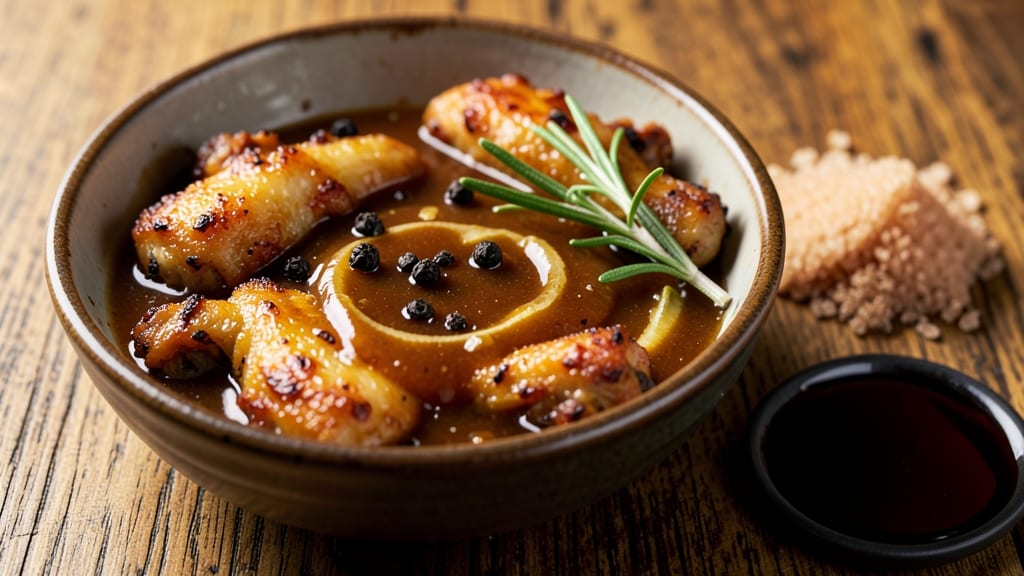
Master the Applebee’s classic wing sauce recipe at home to capture that iconic smoky-sweet heat in every bite. This sauce balances tangy, spicy, and caramelized notes—just like the original—using simple pantry staples like hot sauce, honey, and butter.
After perfecting the ratio through countless batches, I’ve developed a method that delivers restaurant-quality results with foolproof consistency every time.
The secret lies in simmering the sauce until it thickens just enough to cling to wings without dripping off. A touch of brown sugar deepens the caramelized flavor, while a splash of vinegar brightens the heat.
Unlike store-bought versions, this recipe builds layers of complexity through precise cooking—no shortcuts, just pure flavor. The sauce’s sticky, glossy finish ensures it coats wings perfectly, whether you’re baking, frying, or air-frying.
What sets this sauce apart is its versatility—it works on wings, tenders, or even as a dipping sauce for fries. The balance of sweet, spicy, and smoky ensures it appeals to crowds, from heat lovers to those who prefer milder flavors.
Once you taste the difference, you’ll never settle for bottled sauce again. Let’s get started on recreating that iconic taste.
This recipe delivers restaurant-quality results with just 5 ingredients and a simple simmering process. The key is patience—letting the sauce reduce slowly develops the depth of flavor that defines Applebee’s signature sauce. Ready in under 15 minutes, it’s the perfect way to elevate any wing night without the guesswork.
Ingredients for applebee's classic wing sauce
Five simple ingredients transform into the iconic smoky-sweet wing sauce you crave.
| Ingredient | Amount | Notes |
|---|---|---|
| Unsalted Butter 🧈 | ½ cup | Cold, cubed for even melting |
| Hot Sauce 🌶️ | ½ cup | Frank's RedHot preferred |
| Light Brown Sugar 🍯 | ¼ cup | Packed, not scooped |
| Apple Cider Vinegar 🍎 | ¼ cup | Bragg preferred for tang |
| Honey 🍯 | ¼ cup | Wildflower preferred |
The Frank's RedHot hot sauce is non-negotiable for that signature heat—it delivers a consistent, bold flavor that mimics the restaurant version. Bragg apple cider vinegar adds the perfect tang without overpowering, while wildflower honey provides the subtle floral notes that elevate the sauce. For the brown sugar, pack it firmly into the measuring cup; the extra density ensures proper caramelization. Costco and Walmart both stock all these staples affordably, though specialty stores like Whole Foods offer premium options if you're feeling indulgent. The butter should be cold and cubed—melting it first leads to separation during simmering, which ruins the glossy finish.
No Frank's RedHot? Crystal or Tabasco work in a pinch, but you'll lose some of that signature depth. Maple syrup can replace honey if you're avoiding refined sugar, though the flavor profile shifts slightly. White vinegar is a decent substitute for apple cider, but expect a sharper bite. For a smokier profile, add ½ teaspoon smoked paprika to the sauce. The sauce's versatility shines here—adjust the honey-to-vinegar ratio to taste: more honey for sweet lovers, more vinegar for those who prefer tang. Store-bought versions pale in comparison; this recipe's simplicity is its strength—just balance the five core ingredients properly.
This sauce keeps beautifully in the fridge for up to 3 weeks when stored in an airtight container. For longer storage, freeze in ice cube trays—thaw and reheat gently for perfect consistency. The sauce thickens as it cools, so reheat with 1 teaspoon of water per ½ cup to restore its glossy texture. Double the batch—it disappears faster than you'd think. The sauce's magic lies in its slow reduction; don't rush the simmering process. Patience here ensures that sticky, caramelized finish that makes it restaurant-worthy every time.
Why You'll Love This Recipe
- Five-Ingredient Magic: I swear, this sauce comes together with stuff you already own. Melt butter, toss in hot sauce and vinegar, stir in sugar and honey—that’s it. No measuring cups, no fancy techniques, just a quick simmer until it’s glossy and tangy. Honestly, I’ve made it while waiting for wings to bake.
- Sweet Heat Balance: The brown sugar and honey give it that caramelized stickiness, while the apple cider vinegar cuts through the richness. It’s not too sweet, not too spicy—just that perfect mix of smoky depth and bright finish. Between us, this is the sauce that makes wings feel like a restaurant meal without the price tag.
- Game for Any Occasion: Slather it on wings for game day or drizzle it over fries when the football’s on. I’ve even used it as a glaze for pork chops—yes, really—and it works. The best part? It doubles easily, so you’re never scrambling for extra sauce.
- Budget-Friendly Leftovers: A little goes a long way, and this sauce keeps for weeks in the fridge. I make a big batch, freeze half, and still have enough for last-minute cravings. Plus, butter and vinegar are cheap—you’ll spend more on the wings than the sauce. (Yes, even on a Tuesday night.)
Step-by-step instructions for Applebee's classic wings sauce
This method delivers the signature balance of smoky sweetness and heat that defines Applebee's iconic wing sauce.
Melt the Butter Over Gentle Heat
Place the 0.5 cup unsalted butter (cubed as specified) in a medium saucepan over low heat. Allow it to melt completely while stirring occasionally with a wooden spoon. I prefer low heat here to prevent rapid browning that could alter the sauce's delicate balance later. You'll know it's ready when the butter transforms into a smooth, golden liquid with no visible solids remaining.
This initial melting stage creates the sauce's velvety base. If you rush this step, you risk developing a buttery flavor that overpowers the other components. Keep the temperature steady—if it starts to foam excessively, reduce the heat slightly. The butter should melt in about 3-4 minutes, but never walk away during this process as butter can burn quickly.
Combine Wet Ingredients for Initial Reduction
Remove the saucepan from heat and carefully whisk in the 0.5 cup hot sauce and 0.25 cup apple cider vinegar. Return the pan to medium-low heat and bring the mixture to a gentle simmer. This combination creates an immediate aromatic reaction—the vinegar's tang cuts through the richness of the butter while the hot sauce introduces its characteristic spicy depth.
Let the mixture reduce for 5-6 minutes, stirring frequently with a silicone spatula. You're looking for the volume to decrease by about one-third, creating a thicker consistency. This reduction process concentrates the flavors and removes any excess moisture that could dilute the sauce later. The sauce should smell complex—smoky from the hot sauce, tangy from the vinegar, with a subtle sweetness beginning to emerge.
Incorporate Sweet Elements for Balance
Reduce heat to low and gradually whisk in the 0.25 cup light brown sugar and 0.25 cup honey. The sugar should dissolve completely, creating a smooth, syrupy texture. This is where the sauce transforms from simply spicy and tangy to the characteristic sweet-spicy balance that makes this sauce iconic. Stir constantly for 3-4 minutes until the sugar is fully incorporated and the mixture becomes glossy.
Here's the thing—don't be tempted to rush this step. The sugar needs time to fully integrate and begin caramelizing slightly. You'll notice the sauce becoming thicker and developing a beautiful amber hue. The heat should remain low enough that you don't see any bubbling—just a gentle simmer that allows the flavors to meld without burning. If you see any graininess, add a teaspoon of water to help dissolve any remaining sugar crystals.
Simmer to Perfect Consistency
Increase heat to medium-low and continue simmering the sauce for an additional 8-10 minutes, stirring occasionally. The sauce should reduce to a thick, syrupy consistency that coats the back of a spoon. This final reduction stage is crucial—it develops the sauce's signature cling and prevents it from being too thin when applied to wings.
You'll know it's ready when the sauce reaches a point where it can be drizzled but still maintains its shape. It should be thick enough to cling to wings without running off immediately. Taste at this stage—you should detect all five components (butter, hot sauce, vinegar, sugar, honey) working together in harmony. If it needs more heat, add a pinch of cayenne pepper. If it needs more sweetness, add another teaspoon of honey.
Cool and Adjust for Optimal Application
Remove the sauce from heat and let it cool for 10 minutes at room temperature. This cooling period allows the flavors to fully develop and the sauce to thicken slightly as it settles. The sauce will naturally become thicker as it cools—this is normal and actually improves its clinging properties when applied to wings.
Once cooled, transfer the sauce to a clean jar or container. If you find it's still too thin for your preference, you can thicken it further by simmering an additional 2-3 minutes on low heat. The sauce should keep well in the refrigerator for up to 2 weeks, though it's best used within 5-7 days for optimal flavor. This sauce is designed to be applied generously—it's meant to stick to wings and create that signature glaze that's become a classic.
Pro Tips For Making Applebee'S Classic Wing Sauce
- Melt Butter Slowly: If you dump cold butter into the pan and crank the heat, you’ll end up with scrambled butter instead of a smooth sauce. Start on medium-low, let the butter melt completely, then gradually add the rest—this keeps the sauce from seizing up or splitting.
- Whisk Like You Mean It: After adding the vinegar and honey, give that mixture a real stir with a whisk or wooden spoon. I used to half-ass it, and the sauce would clump or look streaky. Keep moving until everything’s fully incorporated—no lumps, no excuses.
- Taste Before Sweetening: Skip the guesswork—taste the sauce after the butter, hot sauce, and vinegar are combined. The sugar and honey can wait until you know if the base needs more heat or tang. Adjusting later saves you from overdoing it and ending up with a sticky mess.
- Simmer, Don’t Boil: Once everything’s mixed, let it bubble gently—just a few tiny bubbles at the edges. Boiling it turns the sauce into syrup, and you lose that perfect balance of tangy, sweet, and spicy. Keep it at a low simmer for 2-3 minutes, then test it on a wing. If it clings without dripping, you’re golden.
Troubleshooting this dish
Sauce Too Thin
If your sauce ends up too thin after simmering, don’t panic—this is an easy fix. Return the sauce to low heat and stir in 1 teaspoon of cornstarch mixed with 1 tablespoon of cold water.
Simmer for another 2-3 minutes while stirring constantly until it thickens to your desired consistency. The cornstarch acts as a natural thickener without altering the flavor. For a smoother finish, whisk vigorously to avoid lumps. 🔥
Sauce Too Thick
A sauce that’s too thick can happen if you over-reduce it or use too much sugar. Thin it out by adding 1 teaspoon of water or apple cider vinegar at a time while stirring over low heat.
Heat gently for 1-2 minutes between additions until you reach the perfect drizzling consistency. Avoid adding too much liquid at once—this can dilute the flavors you worked so hard to develop.
Grainy Texture
Graininess usually occurs when the brown sugar doesn’t dissolve completely during simmering. To fix this, whisk in 1 teaspoon of warm water while the sauce is still on low heat. If the issue persists, strain the sauce through a fine-mesh sieve to remove any undissolved sugar crystals.
For prevention, make sure your sugar is fully incorporated during Step 3 by maintaining a gentle simmer and stirring constantly. 💡
Lack of Heat
If your sauce isn’t spicy enough, it’s likely because the hot sauce wasn’t given enough time to meld with the other ingredients. Boost the heat by adding ½ teaspoon of cayenne pepper or an extra 1 tablespoon of Frank’s RedHot.
For a smokier kick, stir in ¼ teaspoon of smoked paprika during the final simmer. Remember, the heat should balance the sweetness—taste as you go to avoid overpowering the sauce.
Sauce Separates
Separation happens when the butter and liquid ingredients don’t fully emulsify, often due to uneven heating or adding cold ingredients too quickly. To fix it, whisk the sauce vigorously over low heat while adding 1 teaspoon of honey or vinegar to help re-emulsify the mixture.
For prevention, always melt the butter slowly and stir continuously when combining ingredients. If the separation is severe, you may need to start over with fresh ingredients. ⚡
Flavor Imbalance
If your sauce tastes too sweet, tangy, or spicy, adjust it gradually. For excessive sweetness, add 1 teaspoon of vinegar or a pinch of salt to balance. If it’s too tangy, stir in ½ teaspoon of honey or a splash of water.
For a lack of heat, add more hot sauce or cayenne. Taste as you go—small adjustments make all the difference in achieving that perfect Applebee’s balance. 💛
Nutrition facts
Frequently asked questions
Can I make this sauce without butter?
The butter creates the sauce's rich, velvety base that balances the heat and sweetness. For a lighter version, substitute with ½ cup olive oil or ¼ cup coconut oil, but expect slightly different texture. The sauce will still work, though the flavor profile shifts toward Mediterranean notes rather than the classic American-style balance.
How do I adjust the spice level?
Start with the recipe as written for a balanced heat. For milder sauce, reduce hot sauce to ¼ cup and add ½ teaspoon of honey. For extra spice, increase hot sauce to ⅔ cup and add ¼ teaspoon cayenne pepper. Always taste as you go—small adjustments prevent overpowering the sweet-tangy foundation.
Will this sauce work on other foods besides wings?
This versatile sauce glazes beautifully on chicken tenders, ribs, or even grilled shrimp. For fries, use it as a dipping sauce—its sticky consistency makes it perfect for coating. The balance of sweet, spicy, and tangy works well with any protein that benefits from a glossy finish.
Can I make this sauce in a slow cooker?
Yes, but monitor closely to avoid over-reducing. Combine all ingredients in the slow cooker on low heat for 2-3 hours, stirring every 30 minutes to prevent sticking. The sauce will thicken more slowly—check consistency at the 2-hour mark and remove when it reaches your desired thickness. The slow cooker method develops deeper caramelized notes.
How do I store leftover sauce?
Transfer cooled sauce to an airtight container and refrigerate for up to 2 weeks. For longer storage, freeze in ice cube trays—thaw and reheat gently with 1 teaspoon water per ½ cup to restore consistency. The sauce thickens as it cools, so reheat just until smooth. Label with the date to track freshness.