Sauces & Condiments
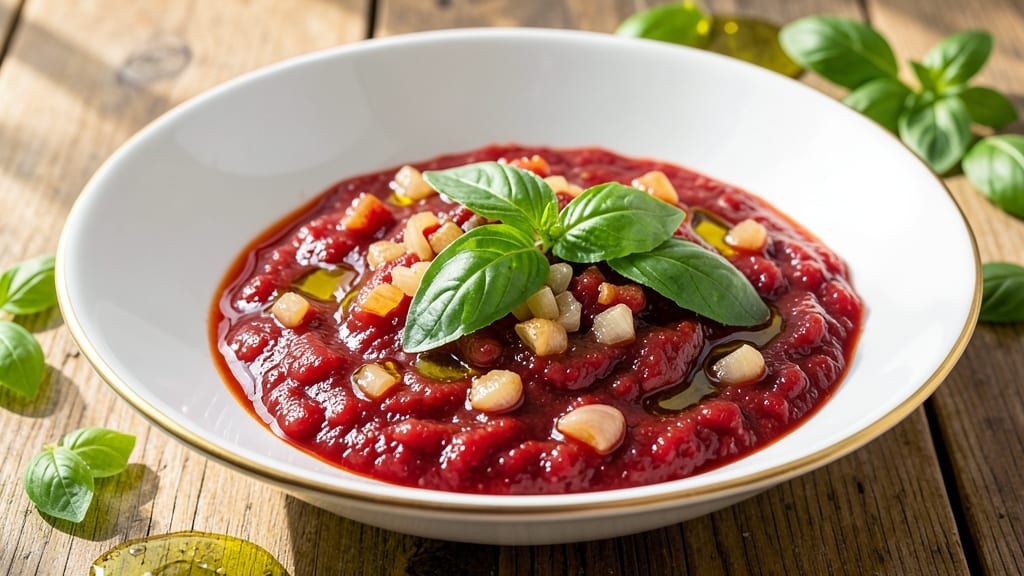
This classic tomato sauce recipe captures the soul of Italian cooking in every simmered spoonful, where San Marzano tomatoes transform into a velvety, sweet-tart foundation for pasta, pizza, or braised meats. The secret lies in slow reduction—letting flavors deepen over time while maintaining a natural balance between acidity and sweetness.
I developed this version after years of testing, ensuring it delivers professional results without shortcuts that compromise texture or taste.
What sets this sauce apart is the aromatics: onions caramelized until golden, garlic blooming just enough to infuse without bitterness, and fresh basil added at the end to preserve its bright, herbal notes.
The sauce thickens naturally as it simmers, creating a perfect consistency for tossing with al dente pasta or as a topping for homemade pizza crust. Every batch yields rich, concentrated flavor that improves with storage, making it ideal for meal prep or gifting.
The result is a sauce that's both perfect and versatile—smooth enough for creamy dishes yet robust enough to stand up to hearty proteins. The low-and-slow cooking process develops complex layers of umami, while the San Marzano tomatoes ensure natural sweetness without added sugar.
This isn't just a sauce; it's the building block of countless Italian classics, all starting with a single pot and a few key ingredients.
Use it immediately over your favorite pasta or pizza, or store it in the refrigerator for up to 5 days or freeze for months. The possibilities are endless, but the foundation remains the same: quality ingredients, patience, and the art of letting flavors meld naturally.
Let's create this timeless sauce that will elevate every meal it touches.
Ingredients for classic tomato sauce
Ten essential ingredients transform into the velvety foundation of Italian cooking.
| Ingredient | Amount | Notes |
|---|---|---|
| San Marzano Tomatoes 🍅 | 28 oz | Whole, peeled, crushed by hand |
| Extra-Virgin Olive Oil 🫒 | ¼ cup | High-quality, fruity variety |
| Yellow Onion 🧅 | 1 whole | Medium size, finely diced |
| Garlic Cloves 🧄 | 4 cloves | Fresh, minced to a paste |
| Fresh Basil Leaves 🌿 | ½ cup | Packed, stems removed |
| Sea Salt 🧂 | 1 ½ tsp | Fine grain preferred |
| Black Pepper 🌶️ | ½ tsp | Freshly ground preferred |
| Dried Oregano 🍃 | ½ tsp | Italian variety preferred |
| Red Wine Vinegar 🍷 | 1 tbsp | For brightness, optional |
| Granulated Sugar 🍬 | ½ tsp | Balances acidity naturally |
The San Marzano tomatoes are non-negotiable here—their natural sweetness and low acidity create the perfect base. Look for whole, peeled cans at Italian markets or specialty stores like Eataly. If you can't find them, San Marzano-brand tomatoes from regular grocery stores work too, but avoid any with added salt or preservatives. The extra-virgin olive oil should have a fruity, peppery finish—Colavita or Bertolli are reliable brands. Fresh basil is ideal, but if you're using dried, reduce to one-third the amount and add it with the other dried herbs. The onions and garlic should be freshly diced and minced, not pre-minced from jars, to avoid excess moisture.
No San Marzano tomatoes? Roma tomatoes are your next best bet—peel, crush, and strain them for a smoother texture. Swap the red wine vinegar for lemon juice if you prefer, though it'll add a slightly different brightness. The sugar is purely for balancing acidity—skip it entirely if using very ripe tomatoes. For a deeper umami profile, add 1 tsp of tomato paste to the pot during cooking. Prefer a smoother sauce? Blend briefly at the end, but leave some texture for authentic Italian character. The dried oregano should be Italian-style, which has a more robust flavor than Mexican oregano.
This sauce improves with time—3-5 days in the fridge lets flavors meld beautifully. For longer storage, freeze in 1-cup portions with parchment between layers. Thaw overnight in the fridge before reheating. If the sauce thickens too much, simply add 1-2 tbsp of water or pasta water when reheating. The sauce pairs perfectly with al dente pasta, homemade pizza dough, or as a braising liquid for meats. Make a double batch—it disappears faster than you'd think.
Why You'll Love This Recipe
- One-Pot Magic: I swear by this sauce because it’s literally one pan, one knife. Slice the onion, crush the garlic, toss in the tomatoes—no blender, no strainer, no mess. The San Marzanros break down into silky perfection all on their own while you sip your wine and pretend you’re in a Tuscan kitchen.
- Umami Bomb: That first spoonful? Chef’s kiss. The slow caramelization of the onion and garlic, the bright acidity of the tomatoes, and the fresh basil hitting you like a sunlit afternoon—it’s the kind of flavor that makes you pause mid-bite. Honestly, I’ve ruined perfectly good pasta just to eat this sauce straight from the pot.
- Weeknight Swiss Army: This isn’t just for spaghetti. Slap it on grilled chicken, mix it into risotto, or dump it over roasted veggies—it’s my go-to for lazy nights or when I’m feeding a crowd. (Yes, even on a Tuesday night.) The olive oil keeps it rich enough to stand alone, but flexible enough to play backup for anything.
- Budget Hero: A jar of San Marzano tomatoes and a bulb of garlic stretch farther than you’d think. I’ve made this sauce last five days in the fridge, freezing half for when I forget to meal prep. Between us, it’s the only pantry staple that actually saves me money—because I use it so damn much.
Step-by-step instructions for classic tomato sauce
Here's how to craft a perfectly balanced sauce with San Marzano tomatoes and aromatic Italian flavors.
Sauté the Aromatics
Heat the 0.25 cup extra-virgin olive oil in a large, heavy-bottomed saucepan over medium-low heat. Add the 1 whole yellow onion, finely diced, and cook for 5-6 minutes until the onions become translucent and just beginning to soften. This gentle cooking prevents burning while developing sweetness.
Add the 4 cloves garlic, minced to a paste, and cook for another 1-2 minutes until fragrant but not browned. Garlic burns quickly, so keep an eye on it. The oil should be shimmering but not smoking—this ensures you capture all the garlic's sweetness without bitterness. Remove the pan from heat temporarily while you prepare the tomatoes.
Add Tomatoes and Initial Seasoning
Return the pan to medium heat and add the 28 oz San Marzano tomatoes, crushed by hand. Stir to combine with the onions and garlic, then add the 1.5 teaspoons sea salt, 0.5 teaspoon black pepper, and 0.5 teaspoon dried oregano. The salt should dissolve completely, and you should see a gentle simmer begin.
Add the 0.5 teaspoon granulated sugar and 1 tablespoon red wine vinegar. The sugar will help balance the natural acidity of the tomatoes, while the vinegar adds brightness. Stir well and let the sauce cook uncovered for 15 minutes at a steady simmer. This initial cooking breaks down the tomatoes' texture and deepens their flavor.
Simmer to Perfection
Reduce the heat to low and continue simmering for 30-40 minutes, stirring occasionally. The sauce should thicken gradually, coating the back of a spoon. If it reduces too quickly, add 1-2 tablespoons water to maintain consistency. You're aiming for a sauce that's rich but not syrupy.
Taste the sauce after 30 minutes and adjust seasoning if needed. The 0.5 cup fresh basil leaves, packed and stems removed, should be added during the last 10 minutes of cooking. Stir them in gently to infuse the sauce with their bright, fresh flavor without overpowering the dish. The basil should wilt completely before removing from heat.
Finish and Serve
Once the sauce reaches your desired thickness and flavor balance—typically after 40-45 minutes total—remove it from heat. Let it sit for 5 minutes to allow flavors to meld further. The sauce should be vibrant red, with a glossy sheen and a consistency that clings beautifully to pasta or meat.
Strain the sauce through a fine-mesh sieve if you prefer a smoother texture, or leave it slightly chunky for rustic appeal. Serve immediately over your choice of pasta, or store in an airtight container in the refrigerator for up to 5 days. This sauce delivers the perfect harmony of sweetness, acidity, and aromatic depth that defines classic Italian tomato sauce.
Pro Tips For Making Classic Tomato Sauce
- Sweat Onions Low: I learned this the hard way—ditch the sizzle. Cook onions over medium-low heat with a splash of water until translucent, not golden. High heat burns them before they soften, and you’ll end up with bitter bits in your sauce. Patience here means smoother flavor later.
- Crush Garlic Gently: No need to mince garlic to a paste—just smash 3-4 cloves with the flat of your knife before adding them. This releases flavor without burning, and you won’t spend 10 minutes wrestling with tiny pieces. (Yes, even if you’re impatient like me.)
- Skip the Boil: After adding tomatoes, let the sauce simmer from the start—no rushing to a boil first. Boiling breaks down the tomatoes too fast, turning your rich sauce into a watery mess. A gentle simmer (5-7 minutes) builds depth without losing texture.
- Salt the Oil: Toss a pinch of salt into the olive oil before cooking onions—it draws out moisture and prevents sticking. Sounds weird, but it works: your sauce will be brighter and the onions will caramelize evenly. (Your future self will thank you.)
Dietary considerations for this dish
Gluten-Free Adaptation
This sauce is naturally gluten-free, but always double-check your ingredients—especially the San Marzano tomatoes and dried oregano. Some brands may contain trace amounts of gluten from processing. For extra safety, I recommend using certified gluten-free products like Barilla gluten-free pasta when serving.
The sauce's thickness comes from natural tomato reduction, so no gluten-containing thickeners like flour are needed. 🌱
Low-Sodium Version
Reduce the sea salt to 1 teaspoon or omit it entirely, then adjust to taste at the end. Use unsalted extra-virgin olive oil and low-sodium San Marzano tomatoes if available.
For extra umami without salt, add 1 teaspoon tomato paste or a pinch of MSG (optional). The sauce will still taste rich and flavorful while keeping sodium levels in check.
Vegetarian & Vegan
This recipe is already vegetarian, but for vegan adaptation, ensure your extra-virgin olive oil is certified vegan (some brands use animal-derived processing aids). The San Marzano tomatoes and all other ingredients are naturally vegan.
For deeper flavor, add 1 tablespoon nutritional yeast during the final simmer—it adds a cheesy, umami note without dairy. 🌿
Sugar-Free Option
Skip the granulated sugar entirely if you're avoiding added sugars. The San Marzano tomatoes are naturally sweet enough, especially if you use ripe, high-quality cans. For balance, add ½ teaspoon lemon juice instead of vinegar to brighten the sauce without sweetness. The acidity from the tomatoes will still be well-rounded.
Allergen-Friendly
For nut allergies, this recipe is already safe—just confirm all ingredients are nut-free. If you're avoiding basil, substitute with ½ teaspoon dried basil or 1 teaspoon parsley.
For a soy-free option, avoid any added soy-based ingredients (this recipe doesn’t include any, but check labels on pre-minced garlic or tomato paste if using). Always read labels carefully, especially for processed ingredients like canned tomatoes.
Pescatarian Adjustments
This sauce pairs beautifully with seafood, so no changes are needed for pescatarian diets. The bright acidity and herbal notes complement fish perfectly. For extra richness, stir in 1 tablespoon white wine during the final 10 minutes of cooking.
The sauce’s versatility makes it ideal for seafood pasta dishes like spaghetti alle vongole or as a topping for grilled salmon. 🍽️
Nutrition facts
Frequently asked questions
Can I substitute regular canned tomatoes for San Marzano?
While San Marzano tomatoes are ideal for their sweetness and low acidity, you can use Roma tomatoes or crushed tomatoes in a pinch. For best results, add ½ teaspoon sugar and 1 extra tablespoon vinegar to balance flavors. Avoid tomatoes with added salt or preservatives, as they can alter the sauce's quality.
How do I prevent the sauce from getting too acidic?
Balance acidity by adding ½ teaspoon sugar or ½ teaspoon tomato paste during cooking. Simmering longer also reduces acidity naturally. If the sauce tastes too sharp, a pinch of sugar or a splash of white wine can help mellow the flavor.
Can I make this sauce in a slow cooker?
Yes! Sauté the onions and garlic first, then transfer everything to the slow cooker and cook on low for 6-8 hours or high for 3-4 hours. The sauce will thicken more naturally, but you may need to add 1-2 tablespoons water if it reduces too much. Stir occasionally to prevent sticking.
Why does my sauce taste bland after simmering?
Blandness often comes from insufficient seasoning or undercooked aromatics. Boost flavor by adding 1 teaspoon tomato paste or ½ teaspoon red pepper flakes during the last 10 minutes of cooking. Also, ensure your garlic and onions are cooked until deeply aromatic, not just softened.
How long can I store this sauce, and how do I reheat it?
Store in an airtight container in the fridge for up to 5 days or freeze for 3 months. To reheat, warm gently on the stove over low heat, stirring occasionally. Add 1-2 tablespoons water or pasta water if the sauce thickens too much. Never microwave directly from frozen—thaw first in the fridge.