Sauces & Condiments
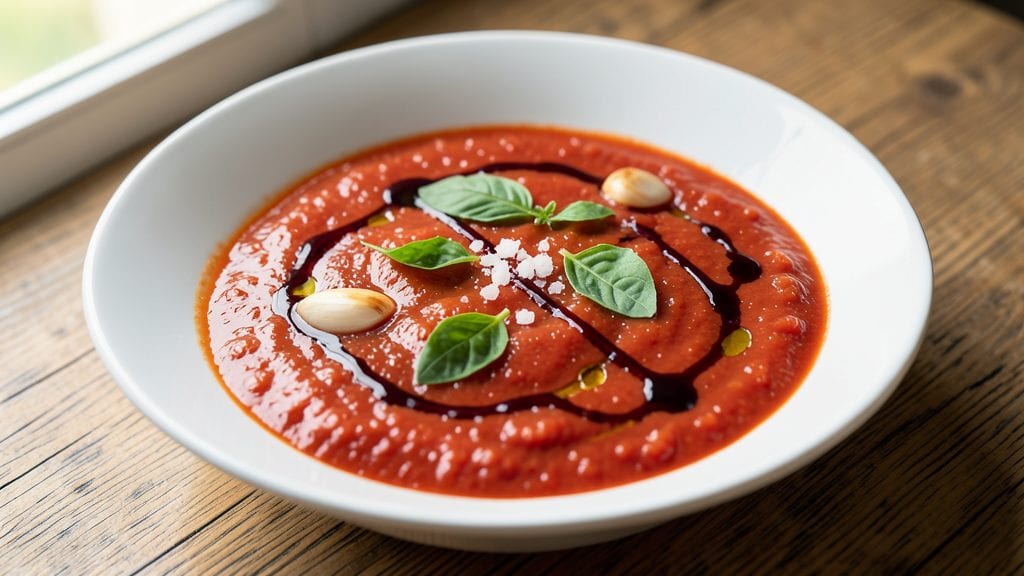
This copycat Rao’s marinara sauce recipe captures that signature umami depth and balanced acidity that makes it stand out. The secret lies in simmering high-quality tomatoes with garlic, herbs, and a touch of sweetness to develop complex flavors over time.
I've perfected this copycat version through careful testing, ensuring every batch captures the restaurant's signature taste.
This sauce starts with a simple foundation—crushed tomatoes, garlic, and fresh basil—but the magic happens during the long, slow simmer. The low-and-slow cooking process allows the flavors to meld and intensify, creating a sauce that's rich, slightly sweet, and deeply savory.
For extra depth, I add a splash of red wine and a pinch of sugar, which balances the acidity and enhances the umami notes.
What you'll end up with is a velvety, aromatic marinara that's perfect for pasta, pizza, or dipping. The sauce thickens naturally as it simmers, coating every noodle or slice with a glossy, flavorful layer. This recipe delivers restaurant-quality results at home, with just a few simple ingredients and patience.
The best part? This sauce tastes even better the next day, making it ideal for meal prep. Store it in the refrigerator for up to five days or freeze for up to three months.
Whether you're serving it over spaghetti or as a pizza topping, this copycat Rao's marinara will elevate your dishes like never before.
Ingredients for copycat rao's marinara sauce
Eight simple ingredients transform into Rao's signature umami-packed marinara sauce.
| Ingredient | Amount | Notes |
|---|---|---|
| San Marzano Crushed Tomatoes 🍅 | 2 cans | 28 oz each, no salt added |
| Extra-Virgin Olive Oil 🫒 | ¼ cup | High quality, fruity flavor |
| Garlic Cloves 🧄 | 4 cloves | Fresh, peeled, minced |
| Fresh Basil Leaves 🌿 | ½ cup | Packed, stems removed |
| Dry Red Wine 🍷 | ¼ cup | Bold, like Cabernet Sauvignon |
| Granulated Sugar 🍬 | 1 tbsp | Balances acidity |
| Salt 🧂 | 1 tsp | Kosher or sea salt |
| Black Pepper 🌶️ | ¼ tsp | Freshly ground |
| Onion Powder 🧅 | ½ tsp | For subtle depth |
| Dried Oregano 🍃 | ½ tsp | Mexican oregano preferred |
The tomatoes are non-negotiable—San Marzano is the gold standard, but Whole Foods or Trader Joe's carry good no-salt-added options. I grab the 28 oz cans because they're cheaper per ounce and less waste. Fresh basil is ideal, but if you're using dried, cut the amount to one-quarter the fresh amount. The garlic should be freshly minced—pre-minced jars taste like nothing. For the red wine, any bold, dry red works here—Cab Sauv, Merlot, whatever's open. I use Barefoot or Apothic when I'm lazy, but a $15 bottle makes a difference.
Running low on red wine? Dry vermouth or beef broth adds depth without alcohol. No fresh basil? Dried basil or parsley works in a pinch, but you'll miss that bright flavor. The sugar might seem odd, but it's crucial—it balances the acidity and enhances the umami. Brown sugar works too, but white keeps it clean. For extra richness, stir in 1 tbsp tomato paste at the end. Store-bought tomato paste is fine, but I prefer the Trader Joe's squeeze tubes—no waste, lasts forever.
This sauce tastes better the next day—plan ahead. Keeps in the fridge for 5-7 days or freezes for 3 months. I portion mine into ice cube trays for easy single-use servings. For pizza, add a splash of water to thin it out. The sauce thickens as it cools, so don't over-simmer. If it gets too thick, just add a splash of water or broth—it'll come back together.
Why You'll Love This Recipe
- Foolproof Simplicity: I swear by this recipe because it’s the kind of sauce that doesn’t need a degree in cooking. Just crush those San Marzano tomatoes by hand (or use a fork—no judgment), toss in the garlic and olive oil, and let the wine and basil do the heavy lifting. Fifteen minutes later, you’ve got a sauce that tastes like it simmered for hours.
- Wine-Infused Depth: Here’s what sold me—the red wine doesn’t just cook off; it lingers. That earthy, slightly tangy note from the dry wine balances the sweetness of the tomatoes, and the fresh basil at the end? It’s like a bright, green hug for your taste buds. Honestly, my non-Italian partner asked for seconds before we even finished dinner.
- Pasta Party Ready: Between us, this sauce is my go-to for everything from lazy weeknight dinners to impressing guests. Toss it with spaghetti for a classic, but I’ve also used it as a marinade for grilled chicken or a topping for garlic bread. The best part? It’s the kind of sauce that makes even the simplest meal feel like a celebration.
- Leftovers That Don’t Let You Down: I make a big batch on Sundays, and by Thursday, I’m still reaching for it. The flavors only get richer as it sits—no sad, watery leftovers here. Plus, the San Marzano tomatoes are worth the splurge because they stretch further and taste better than anything in a can. (Yes, even on a Tuesday night.)
Step-by-step instructions for copycat Rao's marinara sauce recipe
Here's how to recreate that iconic umami depth and bright acidity you crave in every spoonful.
Bloom the Aromatics in Olive Oil
Heat the 0.25 cup extra-virgin olive oil in a large saucepan over medium-low heat. Add the 4 minced garlic cloves and let them cook for 2-3 minutes until they're just beginning to turn golden—this prevents them from burning, which would make the sauce bitter. You'll smell that sweet, pungent garlic aroma start to fill your kitchen.
Next, add the 0.5 teaspoon onion powder and stir for 30 seconds until it's fully incorporated. This step develops the sauce's foundational flavors before we introduce the tomatoes. The onion powder adds subtle depth without needing actual onions, which is Rao's signature trick for simplicity and consistency.
Build the Sauce Base with Tomatoes and Wine
Pour in the 2 cans San Marzano crushed tomatoes and stir to combine with the aromatics. Let the mixture simmer uncovered over medium heat for 10 minutes, stirring occasionally. This initial simmer helps break down the tomatoes' texture and concentrate their flavors.
After 10 minutes, add the 0.25 cup dry red wine and the 1 tablespoon granulated sugar. The wine will infuse the sauce with complexity, while the sugar balances the tomatoes' natural acidity. Stir well and let the sauce simmer uncovered for another 15 minutes, until it begins to thicken slightly. You'll notice the sauce reduces and the flavors meld together—this is where the magic happens.
Season and Simmer to Perfection
Add the 1 teaspoon salt, 0.25 teaspoon black pepper, and 0.5 teaspoon dried oregano to the sauce. Stir well to distribute the seasonings evenly. The oregano adds a subtle earthiness, while the pepper brings a gentle heat. Let the sauce simmer uncovered over low heat for 30 minutes, stirring occasionally to prevent sticking.
During this time, the sauce will continue to thicken and develop a glossy sheen. You're looking for a consistency that coats the back of a spoon but isn't gluey. If the sauce reduces too much, you can add 1-2 tablespoons of water to loosen it slightly. The key is patience—this simmering time allows the flavors to deepen and the acidity to mellow.
Finish with Fresh Basil and Rest
Remove the sauce from heat and stir in the 0.5 cup fresh basil leaves. The basil adds a bright, fresh finish that cuts through the richness of the tomatoes and wine. Let the sauce sit off the heat for 10 minutes—this resting period allows the flavors to fully integrate and the sauce to thicken slightly more.
Taste the sauce and adjust the seasoning if needed. Rao's marinara is balanced—sweet, tangy, and savory with a touch of heat. If it needs more acidity, add a splash of lemon juice or a pinch more sugar. If it needs more salt, add it gradually. The sauce should be vibrant, glossy, and ready to pair with anything from pasta to pizza.
Pro Tips For Making Copycat Rao'S Marinara Sauce
- Sweat Garlic Slow: I used to blast garlic in olive oil until it burned—now I cook it on medium-low for 5-6 minutes until just golden. The wine will mellow the flavor, but don’t let it brown first, or you’ll taste bitterness under all that tomato sweetness.
- Deglaze with Wine: After the garlic softens, pour in the red wine and let it bubble for 30 seconds before adding tomatoes. Scraping up those browned bits (yes, even the tiny ones) is what builds depth—don’t rush this step or you’ll miss half the flavor.
- Crush Basil Rough: Tear the basil leaves by hand instead of chopping—this releases more aroma and keeps the texture vibrant. Add it at the very end, just before serving, so it doesn’t turn to mush in the simmering sauce.
- Simmer Not Boil: Once the tomatoes are in, keep the heat at a gentle simmer—not a rolling boil. Too much heat breaks down the tomatoes into a watery mess, and Rao’s sauce is all about that thick, velvety texture. Cover and let it work for 20-25 minutes.
Wine and beer pairings for this recipe
Italian Red Wine
Rao’s marinara has a subtle wine undertone, so I always reach for a bold, dry Italian red like Chianti Classico or Montepulciano d'Abruzzo. The acidity cuts through the sauce’s richness while adding layers of dark fruit and earthiness.
For a budget-friendly option, Sutter Home Cabernet Sauvignon works surprisingly well—just ensure it’s dry, not sweet. 🍷
Medium-Bodied Reds
If Italian wines aren’t available, Merlot or Zinfandel pair beautifully with this sauce. Their medium body and plum notes complement the tomatoes without overpowering the basil and garlic.
I’ve had great luck with Barefoot Merlot—it’s affordable and delivers consistent flavor. Avoid heavy Cabernets, which can clash with the sauce’s brightness.
Light Beers for Balance
For a beer pairing, opt for Italian lagers like Peroni or Moretti—their crisp, clean profiles cleanse the palate between bites. A Belgian witbier (like Hoegaarden) adds a refreshing citrus note that mirrors the basil’s brightness.
Skip heavy stouts or IPAs, as their bitterness can compete with the sauce’s natural sweetness.
White Wine Alternatives
If you prefer white wine, go for dry Riesling or Pinot Grigio—their acidity and mineral notes enhance the sauce’s depth. I’ve used Barefoot Riesling in a pinch, though a $10 bottle from Italy makes a noticeable difference. Avoid oaked whites, which can muddle the flavors. 💡
Non-Alcoholic Pairings
For a non-alcoholic option, sparkling water with lemon or ginger beer works surprisingly well. The effervescence cuts through the sauce’s richness, while the ginger adds a subtle warmth. I also love Italian sodas like San Pellegrino Aranciata—their citrusy sweetness complements the marinara’s acidity.
Serving Temperature
Serve your wine or beer slightly chilled (around 50-55°F) to enhance the sauce’s flavors. Cold beer or wine won’t ruin the pairing, but room temperature can make the sauce taste flat.
If using red wine, let it breathe for 5-10 minutes before pouring—this opens up its aromas and makes the pairing even more harmonious. ✨
Nutrition facts
Frequently asked questions
Why does Rao's marinara sauce use red wine?
The red wine adds depth and complexity that can't be replicated with just tomatoes and herbs. The alcohol evaporates during simmering, leaving behind concentrated fruit flavors and subtle tannins that enhance the sauce's umami profile. It also helps balance the acidity of the tomatoes.
Can I make this sauce without wine?
Yes! Substitute the wine with 0.25 cup beef broth or dry vermouth for similar depth. For a non-alcoholic version, use extra tomato paste (1 tbsp) or a splash of balsamic vinegar to maintain balance. The sauce will still be delicious, though slightly less complex.
How do I adjust this sauce for spaghetti vs. pizza?
For spaghetti, use the sauce as-is—it's already at the perfect consistency. For pizza, thin it slightly with 1-2 tablespoons water or broth before spreading. Rao's sauce is rich enough that you typically only need 0.5-1 cup per pizza, spread thinly over the sauce layer.
What's the secret to getting that glossy Rao's sauce finish?
The gloss comes from long simmering and fresh basil added at the end. For extra shine, stir in 1 teaspoon olive oil at the very end. Also, avoid over-simmering—remove from heat when it coats the back of a spoon, then let it rest for 10 minutes before serving.
Can I make this sauce vegan?
Skip the wine and use vegan beef broth instead. Ensure your olive oil is certified vegan (most are) and check that your tomato products don't contain fish-based additives. The recipe is already plant-based except for the wine—just make those simple swaps!