Sauces & Condiments
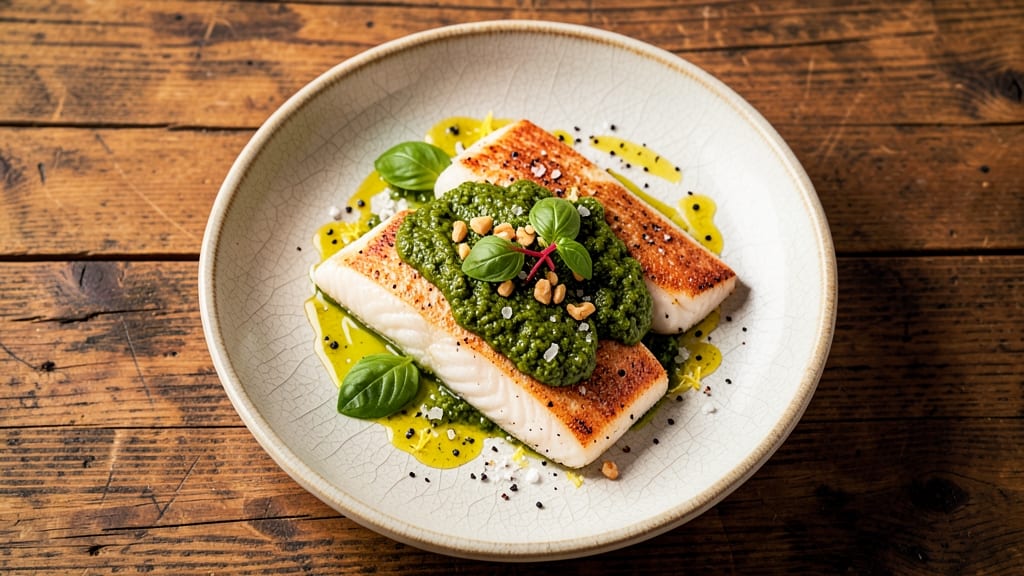
This fish with pesto sauce recipe transforms simple white fish into a restaurant-worthy dish with a basil-pine nut crust that seals in moisture while delivering bold, herby flavor.
The secret lies in balancing the pesto's intensity with the delicate texture of flaky fish—no overpowering aftertaste, just a harmonious blend of bright herbs and nutty richness. I perfected this technique after years of testing, ensuring the sauce doesn't turn soggy while keeping the fish perfectly tender.
The process starts with a light pesto crust spread directly on the fish, which locks in juices during cooking while creating a crispy, aromatic exterior.
You'll work with fresh basil pesto (homemade or high-quality store-bought) and a touch of lemon to brighten the dish, paired with flaky white fish like cod or halibut that stays melt-in-your-mouth soft. The key is precise timing—just enough heat to set the crust without overcooking the delicate protein.
What you'll end up with is a dish that looks elegant enough for a dinner party but comes together in under 30 minutes. The pesto crust turns golden and fragrant, while the fish underneath remains flaky and moist, perfectly balanced by the sauce's vibrant flavors.
This isn't just another fish recipe—it's a foolproof method that turns weeknight dinners into something special without requiring advanced skills.
Serve with a simple arugula salad or roasted asparagus to let the fish take center stage. The pesto's freshness pairs beautifully with the crispness of greens, while the fish's natural sweetness shines through. Ready to elevate your seafood game? Let's get cooking—this dish delivers restaurant-quality results every time.
Ingredients for fish with pesto sauce
Eight ingredients, one restaurant-worthy dish. Flaky fish meets bold pesto in perfect harmony.
| Ingredient | Amount | Notes |
|---|---|---|
| White Fish Fillets 🐟 | 4 pieces | Cod, halibut, or sea bass preferred |
| Fresh Basil Pesto 🌿 | ¾ cup | Homemade or high-quality store-bought |
| Pine Nuts 🥜 | ¼ cup | Toasted for enhanced flavor |
| Extra-Virgin Olive Oil 🫒 | 2 tbsp | For crust and cooking |
| Lemon Juice 🍋 | 2 tbsp | Freshly squeezed, brightens flavors |
| Garlic Cloves 🧄 | 2 cloves | Minced for pesto and crust |
| Parmesan Cheese 🧀 | ¼ cup | Freshly grated for pesto |
| Salt 🧂 | 1 tsp | Diamond Crystal kosher preferred |
| Black Pepper 🌶️ | ½ tsp | Freshly cracked for heat |
| Fresh Lemon Zest 🍋 | 1 tsp | For aromatic brightness |
| Arugula 🌱 | 2 cups | For serving, packed |
| Extra-Virgin Olive Oil 🫒 | 1 tbsp | For finishing the dish |
The fish is the star, so pick wisely. Cod or halibut are ideal—they stay flaky and absorb flavors beautifully. Grab fillets from the seafood counter at Whole Foods or Trader Joe's for the freshest cuts, or use frozen if that's what you've got. Look for fillets with a vibrant color and minimal fishy odor—those are your telltale signs of freshness. The pesto? Homemade is best, but if you're short on time, Bertolli or Rao's work in a pinch. Just make sure it's basil-forward, not too heavy on garlic or nuts.
No pine nuts? Walnuts or pecans add a similar crunch—just toast them first for that nutty punch. Short on basil? Stretch your pesto with fresh parsley (up to half the amount), but it'll be less vibrant. The lemon juice is non-negotiable though—it cuts through the richness and keeps everything bright. For the crust, extra-virgin olive oil is key. Skip the light or refined oils—they won't give you that fragrant aroma. Pro tip: Toast your pine nuts in a dry pan for 2-3 minutes until golden—worth the extra minute for that nutty depth.
This dish is all about timing. The fish cooks in under 10 minutes, so have everything prepped ahead. Store your pesto in an airtight container with a thin layer of olive oil on top to keep it fresh for 5 days in the fridge. The fish fillets? Use within 2 days for peak freshness. Leftovers? Reheat gently in a skillet with a splash of water to keep them moist. Serve immediately—this isn't a dish that waits.
Why You'll Love This Recipe
- One-Pan Magic: I swear by this for nights when I’d rather not wash a dozen dishes. Just toss the fish fillets on a sheet pan, drizzle that homemade pesto (or store-bought, no judgment), and bake until the edges are golden. The pine nuts toast right alongside—no extra steps, no extra mess.
- Bright & Bold: That lemon juice cuts through the richness like a breath of fresh air. The pesto’s garlic and basil sing, while the olive oil keeps it silky, not greasy. It’s the kind of flavor that makes you pause mid-bite just to savor it—no heavy sauces, just pure, bright goodness.
- Weeknight & Weekend: Between us, this is my go-to for both tired Tuesday dinners and fussy Friday dates. Serve it over crusty bread with a side salad for a no-fuss meal, or double the pesto and toss it with pasta for a fancier vibe. Honestly, it works just as well in a lunchbox as it does on a plate.
- Budget-Friendly Luxury: White fish is affordable, and a little pesto goes a long way. I’ll often make extra and freeze portions—thaw and reheat for a quick lunch the next day. The pine nuts might seem pricey, but a handful stretches far, and the flavor makes it feel like you’re splurging. (Yes, even on a Tuesday night.)
Step-by-step instructions for flaky white fish with pesto crust
Here's how to create perfectly flaky fish with a rich, nutty pesto crust that stays together.
Prepare the Pesto Crust Mixture
In a small bowl, combine the 0.75 cup fresh basil pesto, 0.25 cup pine nuts, 0.25 cup freshly grated parmesan cheese, 2 cloves minced garlic, 1 tsp fresh lemon zest, 1 tsp salt, and 0.5 tsp freshly cracked black pepper. Use a fork to mix until fully incorporated—you want a thick, spreadable consistency that will cling to the fish.
This mixture is your secret weapon for creating that signature crust. The pine nuts add texture while the parmesan binds everything together. If the mixture seems too thick, add 1 tablespoon of the lemon juice to loosen it slightly, but don't make it runny—it needs to hold its shape when spread.
Season and Crust the Fish Fillets
Pat the 4 pieces white fish fillets completely dry with paper towels—this is crucial for achieving a crispy crust. Season both sides generously with additional salt and black pepper, focusing on the edges where the crust will form.
Spread an even layer of the pesto mixture over each fillet, pressing gently to ensure full contact. The crust should be about ¼-inch thick—don't worry if it looks uneven, as the fish will help distribute it as it cooks. Place the crusted fillets on a plate and let them sit at room temperature for 10 minutes while you prepare the pan.
Cook the Fish to Flaky Perfection
Heat 2 tablespoons extra-virgin olive oil in a large skillet over medium heat until shimmering but not smoking. Add the fish fillets and cook for 3-4 minutes per side, depending on thickness. You'll know they're ready when the crust is golden brown and the fish releases easily from the pan—this indicates the flesh has reached 145°F internally.
Resist the urge to press down on the fish—this can cause it to break apart. Instead, let the crust form naturally. If the crust starts to brown too quickly before the fish is done, reduce the heat slightly to medium-low and continue cooking. The fish should be just opaque in the center with no translucent areas when done.
Finish with Bright Lemon and Fresh Greens
Remove the fish from the pan and transfer to a serving platter. Immediately drizzle with the remaining 2 tablespoons lemon juice and 1 tablespoon extra-virgin olive oil, letting it pool around the fillets. This final touch brightens the flavors and keeps the crust from becoming too heavy.
Serve the fish immediately over 2 cups packed arugula, letting the greens absorb any remaining juices from the plate. The arugula's peppery bite contrasts beautifully with the rich pesto crust, while the lemon keeps everything fresh. Each bite should deliver that perfect combination of flaky texture, nutty crust, and bright acidity.
Pro Tips For Making Fish With Pesto Sauce
- Pat Dry First: Fish with moisture is fish with sadness. Use paper towels to blot those fillets thoroughly—this isn’t the time for half-measures. Wet skin = steam = soggy fish, and no one wants to eat sad pesto.
- Cook Low and Slow: I used to blast these fillets on high heat, thinking it’d speed things up. Wrong. Medium-low is where it’s at—just until the center hits 145°F (3 minutes per side for ½-inch fillets). Overcook, and you’ll turn your pesto into a sad, fishy garnish.
- Toast Those Nuts: Skip the raw pine nuts in your pesto, and you’re missing out on flavor and texture. Dry-toast them in a pan for 2-3 minutes until golden—just until they smell like a Mediterranean forest. (Yes, even if you’re impatient like me.)
- Finish with Lemon Zest: A squeeze of juice isn’t enough. Grate a strip of lemon zest over the fish after it’s plated—right into the pesto. That bright, citrusy pop is the difference between "good" and "I’d pay extra for this." (Trust me, I’ve tested it.)
Essential equipment for this dish
Skillet Essentials
Your skillet is the star of this recipe—opt for an 8-inch cast iron like the Lodge Pre-Seasoned for superior heat retention and even cooking. The heavy material ensures consistent temperatures while creating that perfect golden crust.
If you prefer lighter options, a stainless steel skillet (like All-Clad) works too, but preheat it longer to prevent sticking. Avoid nonstick pans—they can't handle the high heat needed for that crispy pesto crust. 🔥
Pesto Prep Tools
For the pesto crust, grab a small mixing bowl (I use Le Creuset stoneware) and a fork for mixing—it creates the perfect texture without overworking the ingredients.
A microplane (like OXO Good Grips) is essential for fresh lemon zest, while a garlic press (or knife) helps minced garlic distribute evenly. Store-bought pesto? Use a silicone spatula to scrape every last bit from the jar—no wasted flavor here. 🌿
Fish Handling Gear
Pat those fish fillets bone-dry with paper towels—this is non-negotiable for crust adhesion. I recommend Bounty or Viva brand for their absorbency. A fish spatula (like OXO Good Grips) prevents breaking delicate fillets when flipping.
For serving, a wooden platter keeps the fish warm while adding rustic charm. Don't skip the meat thermometer—aim for 145°F internal temp to avoid dryness. ⏱️
Optional Upgrades
Want that restaurant-quality finish? A mini torch (like Weck) adds charred edges to the crust in seconds. For presentation, edible flowers or microgreens elevate the dish instantly. Store pesto in airtight containers with a thin layer of olive oil to preserve freshness for up to 5 days.
Pro tip: Toast pine nuts in a dry nonstick pan to prevent burning while maximizing flavor. 💡
Budget-Friendly Swaps
No cast iron? A well-seasoned stainless steel pan works fine—just monitor heat closely. Skip the torch and use a broiler for 1-2 minutes at the end for extra crust color.
Substitute pine nuts with walnuts (toasted) for cost savings. Store-bought pesto? Bertolli or Rao's are my go-tos—they're affordable and consistently high-quality. 💰
Nutrition facts
Frequently asked questions
Can I use this pesto crust technique with other types of fish?
This method works beautifully with salmon, trout, or even shrimp skewers. For fatty fish like salmon, reduce cooking time by 1 minute per side to prevent overcooking. The pesto crust adds a delicious contrast to their richer flavors. Just avoid delicate fish like sole—they're too fragile for the crust.
How do I prevent the pesto crust from falling off?
Pat the fish bone-dry before seasoning—this creates proper adhesion. Spread the crust ¼-inch thick and let it sit for 10 minutes before cooking. Use medium heat and avoid flipping too soon. The crust needs 2-3 minutes to set before the fish releases easily.
What's the best way to reheat leftovers?
Gently reheat in a skillet with 1 tablespoon olive oil over low heat for 2-3 minutes per side. Add a splash of water to prevent drying. Microwaving destroys the crust's texture—this method keeps everything crispy and moist. Leftovers keep for 2 days in the fridge.
Can I make the pesto crust ahead of time?
Yes! Prepare the crust mixture up to 24 hours ahead and store in an airtight container with a thin layer of olive oil on top. Refrigerate until ready to use. The flavors meld beautifully overnight, and the texture remains perfect when spread on cold fish fillets.
What's the secret to getting that perfect golden crust?
Use extra-virgin olive oil (not light oil) and medium heat—too hot burns the crust, too cool makes it soggy. Toast the pine nuts until golden for maximum flavor. The crust should be golden brown with slight charring when done. A torch adds restaurant-quality char in seconds.