Sauces & Condiments
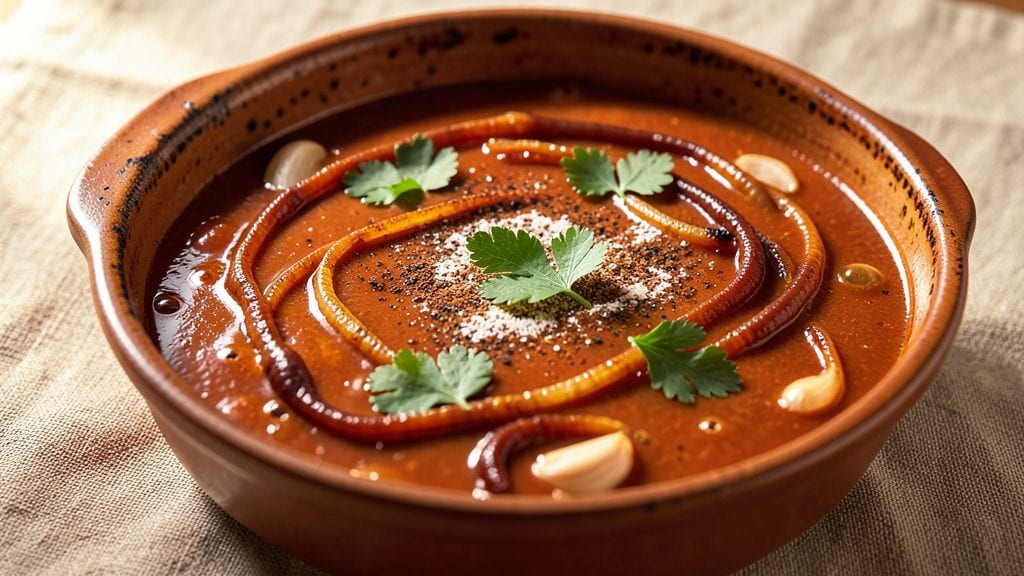
A rich goulash sauce recipe transforms simple ingredients into a deep, paprika-infused masterpiece that elevates beef, chicken, or even vegetables. The secret lies in slow-cooked aromatics and tomatoes that develop complex flavors over time. I've perfected this version to deliver restaurant-quality depth using only pantry staples—no shortcuts, just layered taste.
This sauce builds its richness through a balanced blend of sweet and smoky paprika, caramelized onions, and a touch of tomato paste for depth. The key technique is simmering the base until the flavors meld, creating a velvety consistency that clings perfectly to proteins.
Unlike store-bought versions, this recipe avoids excess salt while maintaining bold flavor.
What sets this goulash sauce apart is its versatility—use it as a hearty stew base, a pasta topping, or a braising liquid for roasted meats. The slow reduction concentrates the flavors, ensuring every spoonful delivers that characteristic Eastern European warmth.
With proper storage, it keeps for up to 5 days in the refrigerator or 3 months frozen.
For best results, let the sauce rest overnight before serving to allow the flavors to fully develop. The subtle sweetness from the paprika balances the acidity of the tomatoes, creating a sauce that's both comforting and complex.
This is the kind of recipe that transforms ordinary meals into something extraordinary with minimal effort.
Ingredients for goulash sauce
Pantry staples transformed into velvety, paprika-rich depth through slow simmering techniques.
| Ingredient | Amount | Notes |
|---|---|---|
| Extra-Virgin Olive Oil 🫒 | 2 tbsp | High-quality for caramelization |
| Yellow Onions 🧅 | 1 whole | Medium size, finely diced |
| Garlic Cloves 🧄 | 4 cloves | Peeled, minced for aromatics |
| Sweet Paprika 🌶️ | 2 tbsp | Hungarian variety preferred |
| Smoked Paprika 🌶️ | 1 tbsp | For depth and complexity |
| Tomato Paste 🍅 | 2 tbsp | High-quality, no sugar added |
| Red Wine 🍷 | 1 cup | Dry Cabernet Sauvignon |
| Beef Broth 💧 | 1 cup | Low-sodium preferred |
| Bay Leaves 🍃 | 2 whole | Fresh for optimal flavor |
| Diamond Crystal Kosher Salt 🧂 | 1 tsp | Adjust to taste |
The foundation begins with extra-virgin olive oil—look for a cold-pressed, fruity variety at specialty grocers like Whole Foods or Trader Joe's for optimal caramelization. Yellow onions should be firm with vibrant color; avoid any with sprouting or soft spots. For the paprikas, Hungarian brands like Rosenstein or Pálffy deliver authentic flavor profiles that mass-market brands can't replicate. The tomato paste matters too—opt for San Marzano-based brands like Bertolli or Muir Glen for natural sweetness without added sugars.
No sweet paprika? Substitute with 1 tbsp tomato powder plus 1 tsp sugar for a similar effect. Short on red wine? Dry sherry or additional beef broth works in a pinch, though the acidity will differ slightly. The bay leaves can be dried, but fresh ones infuse more aroma—simply tear them before adding. For a deeper smoky element, swap 1 tsp of smoked paprika for chipotle powder (adjust heat preference accordingly). Tomato paste from squeeze tubes works fine if you're in a hurry, but traditional cans provide better texture when simmered.
This sauce develops best over time—rest for at least 4 hours before serving to let flavors meld. Store in an airtight glass container in the refrigerator for up to 5 days or freeze for 3 months. For reheating, simmer gently to prevent skin formation. The kosher salt should be added last—taste first, then adjust, as the sauce's richness can mask initial seasoning. Portion into ice cube trays for convenient single-use servings.
Why You'll Love This Recipe
- One-Pot Magic: I swear by this recipe—just onions, garlic, and those two paprikas simmering in olive oil until the kitchen smells like a Hungarian café. No blenders, no strainers, no mess. The sauce practically makes itself while you chop veggies or stir whatever’s in your pot.
- Smoky-Sweet Obsession: That first pinch of smoked paprika? Chef’s kiss. It’s what turns this from a basic sauce to something you’ll fight over at dinner. The sweet paprika balances it out—creamy, slightly sweet, with this deep, smoky backbone that lingers. Honestly, I’ve made it three ways, and this combo always wins.
- Weeknight to Potluck: Between us, this sauce is my lazy-day hero and my dinner-party secret. Dump it over noodles for a 20-minute meal, or let it sit overnight in the fridge—it only gets better. Bring it to a gathering, and suddenly you’re the one everyone asks for seconds from. (Yes, even on a Tuesday night.)
- Pantry Goldmine: I make a double batch every time because it’s that good—and it keeps for ages. Freeze half for when you’re too tired to cook, or use it to stretch a cheap cut of meat into something luxurious. Three ingredients (plus salt and pepper) turn into a flavor bomb that costs next to nothing. My wallet thanks me weekly.
Step-by-step instructions for crafting deep paprika-infused goulash sauce
This method transforms simple pantry staples into a velvety, paprika-rich goulash foundation.
Develop the Flavor Base with Onions and Garlic
Heat the 2 tablespoons extra-virgin olive oil in a heavy-bottomed saucepan over medium-low heat. Add the 1 whole yellow onion, finely diced, and cook for 8-10 minutes until softened and translucent, stirring occasionally. The onions should caramelize slightly at the edges—this builds sweet depth that carries through the sauce.
Push the onions to one side of the pan and add the 4 cloves minced garlic. Cook for 30 seconds until fragrant but not browned. Here's the thing—garlic burns quickly, so keep a close eye on it. Once aromatic, stir to combine with the onions, creating a flavorful base for the paprika to bloom.
Bloom the Paprika for Maximum Flavor
Reduce heat to low and add both the 2 tablespoons sweet paprika and 1 tablespoon smoked paprika. Stir constantly for 1-2 minutes until the mixture becomes fragrant and slightly darker in color. This step, called blooming, releases the paprika's essential oils and prevents a bitter aftertaste. You'll know it's working when the pan fills with an earthy, slightly sweet aroma.
I've found that using Hungarian sweet paprika here makes all the difference—its moderate heat and rich color create that signature goulash hue. Don't rush this step; proper blooming ensures a well-rounded, complex sauce rather than one that tastes one-dimensionally spicy.
Build the Sauce Foundation with Tomato Paste and Wine
Increase heat to medium and stir in the 2 tablespoons tomato paste, cooking for 1-2 minutes until it darkens slightly and loses its raw taste. This paste acts as a natural thickener and adds umami depth. Pour in the 1 cup red wine and scrape up any browned bits from the bottom of the pan—these contain concentrated flavor that would otherwise go to waste.
Simmer the mixture for 3-4 minutes until the wine has reduced by half and the alcohol smell has dissipated. This reduction process intensifies the flavors and creates a smoother, more cohesive sauce base. The sauce should now have a thick, syrupy consistency with a rich, wine-infused aroma.
Finish with Broth and Seasoning
Add the 1 cup beef broth and 2 whole bay leaves, then bring to a gentle simmer. Partially cover the pan and cook for 10-12 minutes until the sauce has thickened to your desired consistency. The bay leaves will infuse subtle herbal notes, while the broth adds body and balances the acidity from the wine.
Season with the 1 teaspoon diamond crystal kosher salt, adjusting to taste. Remember, you can always add more salt later if needed, but you can't remove excess salt once it's in. Taste the sauce and consider adding a pinch of sugar if the acidity from the wine is too pronounced—just a ¼ teaspoon should balance it without overpowering.
Refine and Adjust the Texture
Remove the bay leaves and taste the sauce again. At this stage, it should be rich, slightly sweet from the caramelized onions, and properly balanced between the smoky paprika and acidic wine. If the sauce is too thick, thin it with 1-2 tablespoons hot water or additional beef broth. For a smoother texture, press the sauce through a fine-mesh strainer to remove any onion or garlic particles.
This goulash sauce is now ready to use immediately or store for later. For best results, use it within 3-4 days when refrigerated, or freeze for up to 3 months. The flavors will continue to develop and deepen over time, making this sauce even more complex with each passing day. Serve it over egg noodles, with roasted potatoes, or as a hearty stew base.
Pro Tips For Making Goulash Sauce
- Sweat the Onions Slow: I learned this the hard way—when onions burn, your whole sauce turns bitter. Use medium-low heat and let them cook for 8-10 minutes until they’re translucent and just starting to caramelize. No need for a deep golden brown here; you’re building flavor, not candy.
- Toast the Paprikas Separately: Sweet and smoked paprika burn at different rates. Toast the sweet paprika first over low heat for 30 seconds until it smells fragrant, then remove it and toast the smoked paprika alone for another 20 seconds. This keeps the flavors bright and prevents bitterness.
- Don’t Rush the Garlic: After the onions soften, add the minced garlic and let it sit for 30 seconds before stirring. This gives the raw garlic time to mellow out, so it doesn’t overpower the sauce with a harsh, pungent kick. Stirring too soon just chases the aroma away.
- Bloom the Paprika in Oil: Instead of dumping the paprika directly into the pot, mix it with a spoonful of olive oil first and let it sit for 30 seconds. This ensures the spices release their full aroma before hitting the heat, making the sauce richer and more complex. (Yes, even if you’re impatient like me.)
Essential equipment for great goulash sauce
Heavy-Bottomed Saucepan
This is my non-negotiable tool for goulash sauce—Le Creuset Dutch oven or All-Clad stainless steel are my top picks. The thick base prevents scorching during the 10-12 minute simmer and distributes heat evenly.
For budget-friendly options, a Calphalon nonstick saucepan works well, though I avoid nonstick for long simmers as it can degrade over time. The key is 5-7 quart capacity to accommodate the sauce's expansion as it reduces. 🔥
Wooden Spoon for Stirring
I reach for a Oxo Good Grips wooden spoon because it won't scratch your pan like metal utensils. Wood also helps distribute heat more evenly while stirring the paprika and tomato paste.
For extra durability, I recommend bamboo spoons—they're gentler on your cookware and last for years. Avoid plastic, as it can melt when exposed to high heat near the pan edges.
Fine-Mesh Strainer
A Heston Blumenthal fine-mesh strainer is perfect for achieving that silky texture when you want to remove onion and garlic particles. For a more affordable option, the OXO Good Grips collapsible strainer works great. This step is optional but makes a noticeable difference in restaurant-quality sauces.
If you skip it, just make sure to press the aromatics against the pan sides with a spoon to extract maximum flavor. 💫
Measuring Spoons Set
Precision matters with spices like paprika—OXO stainless steel measuring spoons are my go-to for accurate measurements. The ¼ teaspoon and ½ teaspoon sizes are especially useful for adjusting salt and sugar at the end.
I keep mine within arm's reach while cooking to avoid over/under-seasoning. For wine measurements, I use a dedicated 1-cup liquid measuring cup with clear markings for accuracy.
Digital Kitchen Scale
While this recipe uses volume measurements, a Escali Primo digital scale helps when adapting recipes or making larger batches. For paprika specifically, weighing by grams (about 10g per tablespoon) ensures consistency.
The scale also comes in handy for adjusting salt—5g kosher salt equals roughly 1 teaspoon. This tool eliminates guesswork when scaling recipes up or down. 💡
Optional Immersion Blender
For an ultra-smooth sauce without straining, an Immersion Blender like the Ninja MagiChef works wonders. Simply blend directly in the pan after removing the bay leaves. This is particularly useful if you prefer a completely smooth texture without any visible particles.
The blending also helps incorporate any fond (browned bits) at the bottom of the pan for maximum flavor extraction.
Nutrition facts
Frequently asked questions
Can I substitute white wine for red in this goulash sauce?
White wine works but will change the sauce's depth and acidity. Use a dry variety like Sauvignon Blanc, but reduce it to ½ cup and add ½ cup extra beef broth to maintain balance. The sauce will be lighter in color and milder in flavor, but still delicious when paired with hearty meats like pork or chicken.
How do I make this sauce spicier?
Add ½ teaspoon cayenne pepper or 1 teaspoon hot paprika during the blooming step. For extra heat, stir in ½ teaspoon crushed red pepper flakes at the end. Remember, you can always adjust heat later—just don't overdo it, as paprika already provides moderate warmth.
Can I use this sauce as a marinade?
Yes, but thin it first with ½ cup additional broth or water. The sauce works well for 4-6 hours of marinating chicken or beef, especially when paired with 1 tablespoon olive oil. For best results, use it immediately after cooking—stored sauce may separate when diluted.
What if my sauce is too thick after simmering?
Thin it gradually with 1-2 tablespoons hot water or beef broth at a time, stirring constantly. Avoid cold liquids, as they can cause the sauce to break. For a smoother texture, press through a fine-mesh strainer or blend briefly with an immersion blender.
Can I make this sauce without wine?
Replace the wine with 1 cup beef broth plus 1 teaspoon apple cider vinegar for acidity. The sauce will be slightly less complex but still rich. For extra depth, add 1 teaspoon soy sauce—it adds umami without overpowering the paprika flavors.