Sauces & Condiments
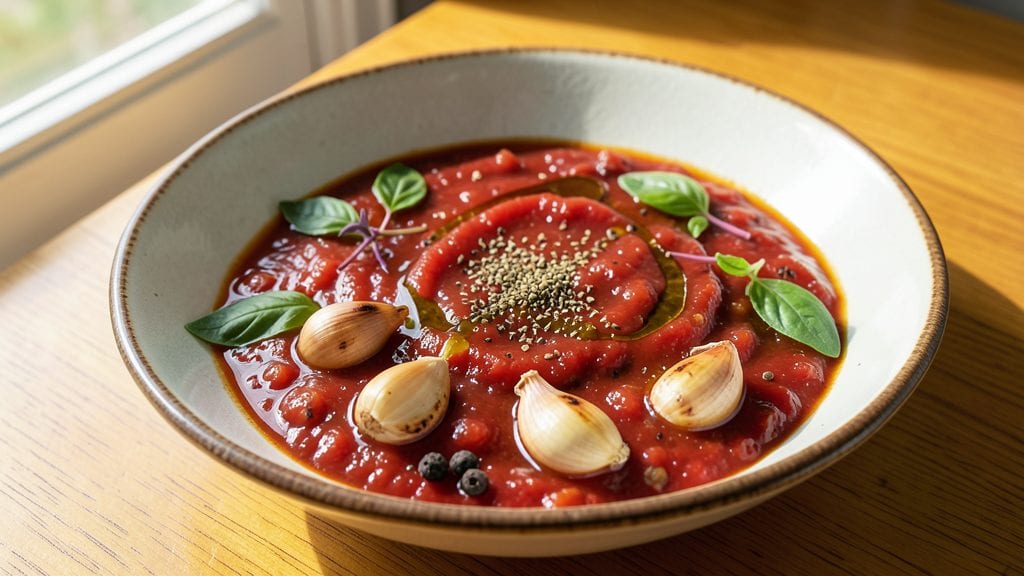
Grandma's tomato sauce recipe is the kind of dish that transforms simple pantry ingredients into something deeply comforting and full of rustic charm.
There's nothing quite like the aroma of garlic sizzling in olive oil, followed by the slow simmer of crushed tomatoes and herbs—it instantly makes any kitchen feel like home.
I've perfected this version over years of family gatherings, where it becomes the star of spaghetti nights, homemade pizza, and even bruschetta toppings.
The beauty of this sauce lies in its simplicity and patience. With just canned tomatoes, garlic, olive oil, and a few fresh herbs, you'll create a rich, velvety sauce that deepens in flavor the longer it simmers.
The key is letting it cook low and slow, allowing the natural sweetness of the tomatoes to concentrate while the spices meld together. This isn't something you rush—it's a labor of love that rewards you with layers of complex flavor.
What makes this sauce truly special is how versatile it is. Use it as a base for your favorite pasta dishes, spread it on toasted baguette slices, or serve it alongside grilled meats. The texture becomes silky and rich, with just the right balance of acidity and sweetness.
Each spoonful carries the warmth of tradition, making it perfect for family dinners or when you want to recreate that nostalgic taste of home.
Best of all, this sauce keeps beautifully in the refrigerator for up to a week or can be frozen for months. That means you can make a big batch now and enjoy it throughout the season.
Let's get started on creating a sauce that will become a staple in your kitchen, just like it was in mine.
Ingredients for grandma's tomato sauce
Simple pantry staples turn into nostalgic tomato sauce with just patience and love.
| Ingredient | Amount | Notes |
|---|---|---|
| Extra-Virgin Olive Oil 🫒 | ½ cup | High quality, fruity flavor preferred |
| Garlic Cloves 🧄 | 6 cloves | Freshly minced for best aroma |
| Canned San Marzano Tomatoes 🍅 | 28 oz | Crushed or whole, no salt added |
| Fresh Basil Leaves 🌿 | ½ cup | Packed, stems removed |
| Dried Oregano 🍃 | 1 tsp | Mexican oregano if available |
| Ground Black Pepper 🌶️ | ½ tsp | Freshly ground preferred |
| Sea Salt 🧂 | 1 tsp | Adjust to taste |
| Sugar 🍯 | 1 tbsp | Balances acidity |
| Red Wine Vinegar 🍷 | 1 tbsp | Brightens flavor profile |
| Fresh Parsley Leaves 🌿 | ¼ cup | Chopped for garnish |
The tomatoes make all the difference—San Marzano is the gold standard, but any high-quality canned tomatoes work. Trader Joe's or Whole Foods carry great options, but even the store brand is fine if it's labeled no-salt-added. Fresh basil is ideal, but if you're using dried, reduce to one-third the amount—it's way more potent. The garlic should be fresh, not that sad jarred stuff. Costco sells those big jars of peeled garlic that save time, and I always grab a few. For the olive oil, don't skimp—it's the base of the flavor. California olive oil from the grocery store's bulk section is perfect for this.
No fresh basil? Dried basil or marjoram works in a pinch, but fresh is worth hunting down at the farmers market. Running low on vinegar? Lemon juice at half the amount gives a similar brightness. The sugar might seem odd, but it's key for balancing the acidity—especially if your tomatoes are tart. Brown sugar works too if that's what you've got. Want more depth? A splash of red wine (about 2 tbsp) adds richness, but it's optional. The oregano? Mexican oregano has a citrusy note that's perfect, but regular dried oregano is fine if that's all you have.
This sauce gets better with time—3-4 days in the fridge is ideal, letting the flavors meld. For longer storage, freeze in ice cube trays for single portions or airtight containers for up to 6 months. Reheat gently on the stove, stirring often. The texture should be silky, not watery. If it thickens too much, just add a splash of water or broth. Leftovers? Perfect for bruschetta, pasta, or even as a marinade for grilled meats.
Why You'll Love This Recipe
- No-Chop Needed: I swear by this—just crush those garlic cloves with the flat of a knife, no mincing required. The canned San Marzano tomatoes do all the heavy lifting while I toss in the basil at the end, keeping it bright and fresh.
- Garlic-Basil Magic: That first hit of olive oil sizzling with raw garlic? Pure flavor gold. Then the tomatoes simmer down into something rich but never heavy, with basil so fresh it makes you want to eat it off the spoon.
- Pasta Party Ready: Slap this sauce on spaghetti for a 20-minute dinner, or let it sit overnight to use in bruschetta the next day. It’s the kind of sauce that works just as well on toasted bread as it does with meatballs—no judgment here.
- Budget Hero: San Marzano tomatoes might sound fancy, but a can costs pennies per serving. A little oil, a few herbs, and you’ve got enough for four meals that’ll make your wallet and your family happy.
Step-by-step instructions for Grandma's tomato sauce
This sauce builds flavor slowly—just like Grandma's—using simple pantry staples and fresh herbs.
Sauté Garlic Until Fragrant
Heat the 0.5 cup extra-virgin olive oil in a heavy-bottomed saucepan over medium heat. Add the 6 minced garlic cloves and cook for 2-3 minutes until they turn golden and smell irresistible. Watch closely—garlic burns quickly, and you want that sweet, nutty aroma without bitterness.
This step is your flavor foundation. The garlic should sizzle gently, not fry aggressively. If it starts to darken too fast, reduce the heat slightly. Once golden, remove the pan from heat temporarily while you prepare the tomatoes—this prevents burning when you add them later.
Add Tomatoes, Vinegar, and Seasonings
Return the pan to medium heat and add the 28 oz canned San Marzano tomatoes, breaking them up with your hands if they're whole. Stir in the 1 tbsp red wine vinegar, 1 tbsp sugar, 1 tsp dried oregano, 0.5 tsp ground black pepper, and 1 tsp sea salt. Bring everything to a gentle simmer, then reduce the heat to low to maintain a slow bubble.
The vinegar brightens the tomatoes while the sugar balances their natural acidity. The oregano adds warmth, and the pepper gives subtle depth. Let it simmer uncovered for 15 minutes, stirring occasionally. You'll notice the sauce thickening slightly as the tomatoes release their juices and the flavors meld.
Simmer Until Thick and Rich
Continue simmering for another 20-25 minutes, stirring every 5 minutes to prevent sticking. The sauce should reduce to a thick, velvety consistency—coating the back of a spoon when you lift it. If it thickens too fast, add 2-3 tablespoons of water to maintain balance.
This slow cooking develops deep, complex flavors. The tomatoes break down completely, creating a luscious texture. Taste occasionally and adjust seasoning—you might need a pinch more salt or a splash of vinegar to perfect the balance. The sauce is ready when it's rich but still pourable, not gluey.
Finish with Fresh Herbs
Remove the pan from heat and stir in the 0.5 cup fresh basil leaves and 0.25 cup chopped fresh parsley. Let the sauce sit for 5 minutes—this allows the herbs to infuse without wilting completely. The basil adds freshness, while the parsley brightens the finish.
For the best texture, press the herbs through a fine-mesh strainer or use a wooden spoon to mash them against the pan's sides. This releases their oils and aromas into the sauce. Taste one final time and adjust seasoning if needed. Serve immediately over pasta, or let it cool and refrigerate for up to 5 days—the flavors only improve with time.
Pro Tips For Making Grandma'S Tomato Sauce
- Sear the Garlic: I learned this the hard way—don’t just toss raw garlic into the oil. Heat the olive oil until it shimmers (not smoking), then add the minced cloves and let them sizzle for 30 seconds until they turn golden. This prevents that bitter aftertaste and adds depth. (Yes, even if you’re impatient like me.)
- Crush the Tomatoes: Drain the San Marzano tomatoes but don’t skip crushing them by hand—just a quick mash with your fist or a wooden spoon. This breaks down the skins and releases more flavor than just dumping them in whole. My grandmother swore by this, and she was right.
- Simmer Low and Slow: After adding the tomatoes, reduce the heat to a bare simmer—just enough to see tiny bubbles at the edges. Rushing this step makes the sauce watery and dull. Give it 45-60 minutes uncovered; the evaporation concentrates the flavor. (Your future self will thank you.)
- Add Basil Late: Fresh basil wilts and turns bitter if cooked too long. Tear the leaves by hand (don’t chop) and stir them in only during the last 5 minutes of cooking. If you’re using it for garnish, add it raw right before serving—this keeps the aroma bright and vibrant.
Make-ahead tips for this grandma's tomato sauce
Batch Prep Strategy
I always make this sauce in large batches—it’s perfect for meal prep! Use a 6-quart Dutch oven (like the Le Creuset Signature) to accommodate the full 28 oz of tomatoes without overcrowding.
This gives you enough for 4-5 pasta servings or 2-3 pizzas, with leftovers for future meals. The extra sauce freezes beautifully, so you’ll always have a flavorful base on hand. 💡
Freezing for Long-Term
For long-term storage, let the sauce cool completely before transferring it to airtight glass containers or freezer-safe silicone molds. I love using Ball Mason jars—they’re sturdy and stackable. Leave 1 inch of headspace to prevent expansion cracks.
Label with the date, as this sauce stays delicious for up to 6 months in the freezer. Thaw overnight in the fridge before reheating. ❄️
Portion Control Tips
Need single-serving portions? Freeze the sauce in ice cube trays—each cube makes a perfect topping for bruschetta or a quick pasta sauce. Once frozen, transfer the cubes to a ziplock bag and flatten them for easy stacking.
A single cube reheats in 2 minutes on the stove, making it ideal for busy weeknights. 🍴
Fridge Storage Secrets
In the fridge, this sauce thickens further over time—3-4 days is ideal for maximum flavor development. Store it in a glass container (not plastic) to preserve freshness. When ready to use, gently reheat on the stove over low heat, stirring frequently to prevent scorching.
If the sauce thickens too much, add 1-2 tablespoons of water or broth to restore its silky texture. 🥣
Reviving Leftovers
If your sauce has separated or lost some vibrancy after storage, don’t toss it! Simply reheat it with 1 tablespoon of olive oil and a pinch of fresh basil to revive its richness.
For extra depth, add a splash of red wine or tomato paste while reheating. This trick works wonders for bringing back that restaurant-quality taste. 💫
Sauce Boosters
Want to elevate your prepped sauce? Stir in 1 tablespoon of tomato paste before freezing for a deeper flavor, or add ½ cup of finely chopped mushrooms while reheating for an umami boost.
For a smoky twist, sprinkle in ½ teaspoon of smoked paprika before serving. These tweaks turn your basic sauce into a gourmet upgrade with minimal effort. 🔥
Nutrition facts
Frequently asked questions
Can I make this tomato sauce without fresh basil?
If you don't have fresh basil, use 1 teaspoon of dried basil or ½ teaspoon of dried marjoram instead. For extra depth, add ½ teaspoon of dried thyme too. The key is to reduce the amount since dried herbs are more concentrated. The sauce will still taste delicious—just with a slightly different herbal profile.
How do I fix tomato sauce that's too acidic?
If your sauce tastes too tart, balance it with a pinch of sugar or a splash of red wine (about 1 tablespoon). Simmer for 5 minutes to let the flavors meld. For a richer taste, stir in ½ teaspoon of tomato paste—it adds natural sweetness and thickness. Taste as you go and adjust gradually.
Can I use frozen tomatoes instead of canned?
Yes, but you'll need to thaw and drain them first. Use 2 cups of frozen tomatoes (about 16 oz) and simmer them longer—30-40 minutes total—to achieve the same thickness. Frozen tomatoes work best if you add 1 extra tablespoon of tomato paste to compensate for their thinner consistency. The texture will be slightly different but still flavorful.
Why did my tomato sauce turn out watery?
Watery sauce usually happens from two things: not enough simmering time or adding too much liquid. To fix it, simmer uncovered for 10-15 extra minutes to reduce it naturally. If it's still too thin, mix 1 tablespoon of cornstarch with 2 tablespoons of water, stir it in, and cook for 5 more minutes. For future batches, ensure you're cooking on low heat and stirring regularly.
What's the best way to reheat leftover tomato sauce?
Reheat gently over low heat in a saucepan, stirring often to prevent scorching. For extra richness, add 1 tablespoon of olive oil or a splash of water/broth if it thickens too much. Avoid microwaving—it can make the sauce watery. If the sauce separates, whisk vigorously while reheating to restore its silky texture.