Sauces & Condiments
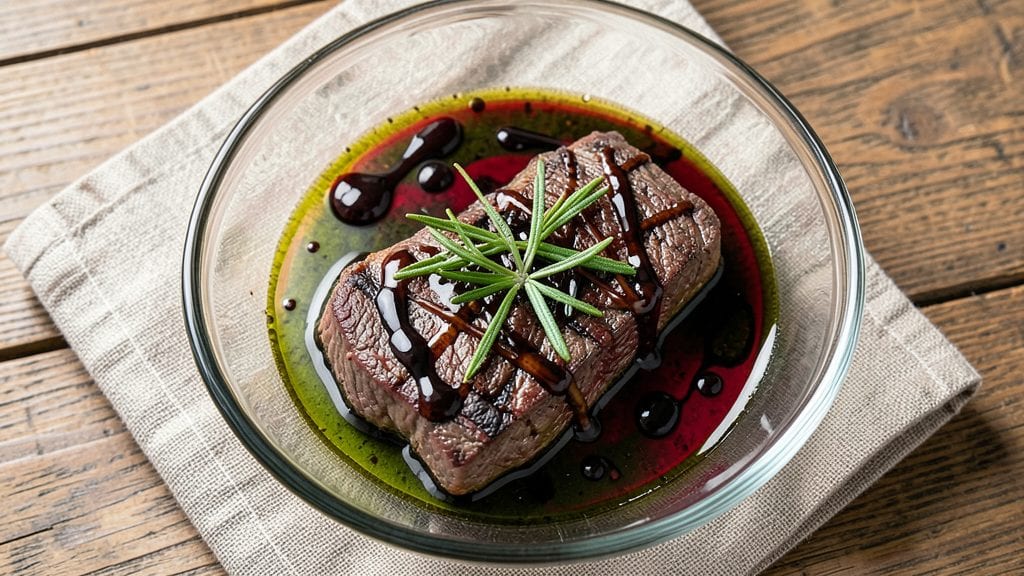
This rib steak marinade recipe transforms tough cuts into steakhouse-worthy tenderness with a bold umami crust that locks in flavor. The secret lies in balancing acidity, fat, and aromatic spices—soy sauce, Worcestershire, and garlic—working together to tenderize while building a caramelized exterior.
I’ve perfected this blend over years of testing, ensuring it delivers restaurant-quality results without the guesswork.
The marinade relies on high-quality ingredients like olive oil for moisture and a blend of balsamic vinegar and red wine for acidity, which breaks down proteins while adding depth. Fresh rosemary and black pepper contribute herbal brightness, while a touch of brown sugar enhances the crust’s richness.
For best results, let the steak marinate 4 to 8 hours—long enough to transform, but not so long it becomes mushy.
What sets this marinade apart is its versatility: it works on ribeye, New York strip, or even flank steak, and the flavors intensify as they meld into the meat.
The crust forms beautifully when seared, sealing in juices and delivering that signature steakhouse char. Whether you’re grilling, pan-searing, or broiling, this marinade ensures every bite is packed with flavor.
Use it as a base for your favorite steakhouse sides or pair it with a simple chimichurri for a bright contrast. The key is patience—let the marinade work its magic, and you’ll end up with steak that’s tender, flavorful, and impossible to resist. Ready to elevate your steak game?
Ingredients for rib steak marinade
Nine bold ingredients blend into a marinade that transforms tough rib steak into steakhouse perfection.
| Ingredient | Amount | Notes |
|---|---|---|
| Extra-Virgin Olive Oil 🫒 | ½ cup | High-quality, fruity, cold-pressed |
| Balsamic Vinegar 🍷 | ¼ cup | Aged, robust flavor preferred |
| Dry Red Wine 🍷 | ¼ cup | Bold, dry, like Cabernet Sauvignon |
| Soy Sauce 🍜 | ¼ cup | Low-sodium preferred |
| Worcestershire Sauce 🍯 | 1 tbsp | High-quality, anchovy-based |
| Fresh Rosemary 🌿 | ¼ cup | Finely chopped, stems removed |
| Garlic Cloves 🧄 | 6 cloves | Peeled, minced finely |
| Black Peppercorns 🌶️ | 1 tbsp | Freshly cracked, coarse |
| Light Brown Sugar 🍯 | 1 tbsp | Packed, for caramelization |
| Diamond Crystal Kosher Salt 🧂 | 1 ½ tsp | Fine grain, for seasoning |
The olive oil is your moisture base—look for extra-virgin with a peppery finish (like California Avocado Ranch or Bertolli), not the cheap stuff that tastes like soap. Red wine should be dry and bold—Cabernet Sauvignon or Merlot work best, but any decent table wine will do. Balsamic vinegar matters too: aged 25 years or more from Italy adds depth, but the Trader Joe's 10-year is a great budget pick. Fresh rosemary should smell piney and bright—if it's wilted or smells musty, toss it. For garlic, Spanish or Italian varieties have the most punch, but any fresh clove works. The black peppercorns? Crack them fresh with a mortar and pestle or a pepper grinder—pre-ground loses flavor fast.
No red wine? Substitute beef broth at the same amount, but you'll lose that deep umami complexity. Short on balsamic? Apple cider vinegar works in a pinch, but it'll be less rich. Fresh rosemary unavailable? Dried rosemary at one-third the amount works, but it's not the same—fresh is worth hunting down. The brown sugar can be swapped for honey or maple syrup, though it won't caramelize the same way. For Worcestershire, Lee Kum Kee or Holland House are reliable brands, but if you can't find it, soy sauce plus a dash of fish sauce mimics the umami. The kosher salt is non-negotiable—Diamond Crystal or Morton are the gold standards, but any fine-grain salt will do.
This marinade keeps for up to 1 week in the fridge, sealed in a jar. For longer storage, freeze portions in ice cube trays—thaw and use as needed. The flavors actually improve after 24 hours as everything melds together. For best results, let the steak marinate 4 to 8 hours—any longer and it risks breaking down the meat. I always double the batch: one for immediate use, one frozen for next month's steak night. The leftovers make an amazing drizzle for grilled veggies or a quick pan sauce.
Why You'll Love This Recipe
- Pantry Magic: I swear by this marinade because it uses what I already have—no special shopping required. That balsamic and red wine combo? It’s the kind of flavor that turns a simple steak into something that feels like a restaurant-worthy meal without the fuss.
- Deep Umami Bomb: The soy and Worcestershire are where this marinade actually shines. It doesn’t just season—it transforms, giving your rib steak that rich, caramelized crust and a depth that makes every bite worth savoring. (Yes, even on a Tuesday night.)
- Leftovers? No Problem: This marinade keeps beautifully in the fridge for up to a week, so I double it and use it for everything—grilled steaks, roasted chicken, even as a quick glaze. Honestly, I’ve lost count of how many times I’ve pulled it out for last-minute dinners.
- Budget Steakhouse Vibes: For the price of a bottle of wine and a dash of soy, you get flavor that rivals a $50 steak. The olive oil keeps it rich but not greasy, and the acidity from the vinegar cuts through the fat so cleanly. It’s my secret weapon for making midweek meals feel special.
Step-by-step instructions for rib steak marinade
Here's how to blend this bold marinade that delivers steakhouse-worthy depth and caramelized crust.
Combine the Liquid Base
In a medium mixing bowl, pour together the 0.5 cup extra-virgin olive oil, 0.25 cup balsamic vinegar, 0.25 cup dry red wine, and 0.25 cup soy sauce. The wine and vinegar will initially separate, but that's normal—they'll emulsify as you work. I like to use a whisk for this step to ensure everything integrates smoothly from the start.
Stir vigorously for 2-3 minutes until the mixture becomes uniformly golden and slightly thickened. You're looking for an almost syrupy consistency that coats the back of a spoon. This base creates the marinade's rich umami foundation, so don't rush this blending process—the flavors need time to meld properly.
Incorporate the Aromatics and Seasonings
Add the 6 minced garlic cloves, 1 tbsp freshly cracked black peppercorns, 1 tbsp light brown sugar, and 1.5 tsp diamond crystal kosher salt to the liquid base. The sugar will begin dissolving immediately, creating a subtle caramelization that enhances the marinade's depth. Use a wooden spoon to stir everything together until the sugar is completely incorporated and the peppercorns are evenly distributed.
Here's the thing—don't be tempted to add the rosemary yet. We'll incorporate it separately in the next step to maintain its fresh, vibrant flavor. The combination of garlic, pepper, and brown sugar creates a complex flavor profile that pairs beautifully with rib steak, but the rosemary needs to be handled with care to preserve its bright aroma.
Fold in the Fresh Rosemary
Add the 0.25 cup finely chopped fresh rosemary to the marinade and gently fold it in using a rubber spatula. Be careful not to overmix—just enough to distribute the rosemary evenly throughout. The rosemary should be visible as small green flecks in the marinade, not completely dissolved. This step is crucial because rosemary's flavor is delicate and can become bitter if overworked.
Give the marinade one final taste and adjust the seasoning if needed. You might find it needs a touch more salt or a splash of balsamic vinegar to balance the flavors. The marinade should be tangy, slightly sweet, and deeply aromatic with a hint of herbal brightness from the rosemary. This is your umami powerhouse ready to transform your steak.
Marinate the Steak Properly
Place your rib steaks in a resealable plastic bag or shallow glass dish. Pour the marinade over the steaks, ensuring they're completely coated. For best results, marinate for 4-6 hours in the refrigerator. This gives the flavors time to penetrate deeply without overpowering the steak's natural taste. I know it's tempting to marinate longer, but beyond 6 hours, the acidity in the balsamic vinegar can start to break down the steak's texture.
During marinating, turn the steaks occasionally to ensure even coating. When you're ready to cook, remove the steaks from the marinade and let them sit at room temperature for 30 minutes before grilling or searing. This ensures even cooking and prevents cold spots in the meat. The marinade can be saved and used again for up to 3 days, stored in an airtight container in the refrigerator.
Pro Tips For Making Rib Steak Marinade
- Reduce the Wine First: Simmer the dry red wine down by half before mixing—it deepens the flavor without thinning the marinade. I used to skip this, and the dish always tasted watered-down; now it’s rich and concentrated, like a proper sauce.
- Whisk in the Soy Last: Add the soy sauce and Worcestershire after everything else is emulsified, or you’ll end up with a separated mess. Stir in slowly while the marinade’s still warm—it blends smoother and keeps the texture consistent.
- Don’t Over-Marinate: Two hours max for rib steak—any longer and the balsamic vinegar turns the meat mushy. I learned this after ruining a perfectly good cut; now I set a timer and move on to other prep.
- Use Aged Balsamic: Skip the cheap stuff—aged balsamic (10+ years) adds complexity that cuts through the richness of the steak. It’s pricier, but the difference is noticeable, especially when reduced into the marinade. (Yes, I’ve tried the shortcut version—don’t.)
Serving suggestions for this rib steak marinade
Classic Steakhouse Sides
Nothing complements a perfectly marinated rib steak like classic steakhouse sides. I always serve my steak with garlic mashed potatoes—creamy and buttery with roasted garlic for extra depth. The richness of the mashed potatoes balances the marinade's bold flavors beautifully.
For a fresh contrast, I add a simple sautéed green bean salad with slivered almonds and a light lemon vinaigrette. The crisp-tender beans cut through the richness of the steak while keeping the meal light. 🍽️
Gourmet Sauce Pairings
This marinade's umami depth pairs exceptionally well with red wine reduction—simmer 1 cup dry red wine, 2 tbsp butter, and 1 tsp shallots (minced) until reduced by half. The wine's acidity complements the marinade's richness perfectly.
For a brighter option, try chimichurri—a fresh herb sauce with parsley, cilantro, garlic, red wine vinegar, and olive oil. The herbal notes refresh your palate after each bite. Both sauces elevate the steak from home-cooked to restaurant-quality.
Beverage Recommendations
For a complete dining experience, I recommend pairing your marinated steak with a bold Cabernet Sauvignon—its tannins cut through the fat while complementing the marinade's umami. If you prefer beer, a dark amber ale with caramel and toasted malt notes works beautifully.
For non-alcoholic options, a sparkling cranberry mocktail with rosemary garnish mirrors the marinade's herbal and tart elements. The effervescence cleanses your palate between bites, making each flavor pop. 🍷
Presentation Tips
Plating your steak with intention makes all the difference. I like to slice the steak against the grain into ½-inch thick slices and arrange them diagonally on the plate. Fan the slices slightly for visual appeal while keeping them cohesive.
Drizzle any leftover marinade (reduced slightly) over the top for extra flavor and presentation. Garnish with fresh rosemary sprigs and flaky sea salt to echo the marinade's ingredients. The contrast of textures and colors makes the dish look as delicious as it tastes.
Leftovers Reinvented
Transform leftover steak into something new with minimal effort. Shred the steak and toss it with the remaining marinade to create steak tacos—serve in warm corn tortillas with avocado and pickled onions.
For a hearty breakfast, slice the steak thin and layer it in a steak and egg sandwich with gruyère cheese and caramelized onions. The marinade's flavors adapt perfectly to these new applications, making leftovers feel like a special occasion. 💡
Seasonal Adaptations
Adjust your sides based on the season to keep the meal feeling fresh. In summer, swap mashed potatoes for grilled asparagus with lemon zest and shaved parmesan. For fall, roast sweet potatoes with cinnamon and pecans for a sweet-savory contrast.
Winter calls for creamy polenta topped with truffle oil—a rich, earthy complement to the steak's bold flavors. These seasonal twists keep the meal exciting year-round while maintaining balance. 🍂
Nutrition facts
Frequently asked questions
Can I use this marinade for other types of steak?
This marinade works beautifully on ribeye, New York strip, and even flank steak or skirt steak. The balance of acidity and umami flavors helps tenderize tougher cuts while enhancing the natural beef taste. For thinner cuts like flank steak, reduce the marinating time to 2-4 hours to avoid over-tenderizing.
What if I don't have red wine or balsamic vinegar?
No problem! For red wine, substitute beef broth or extra balsamic vinegar (reduce other vinegar by 1 tbsp). For balsamic, use apple cider vinegar or white wine vinegar—just know the flavor will be slightly less rich. The key is maintaining the acid-to-oil ratio for proper tenderization.
How long can I marinate the steak before it gets mushy?
The ideal marinating window is 4-6 hours for rib steak. Beyond 8 hours, the acidity in the balsamic and wine can start breaking down the meat fibers, making it overly tender or even mushy. For tougher cuts like flank steak, 6-8 hours is perfect, but never exceed 12 hours for any steak type.
Can I reuse leftover marinade?
<Yes! After removing the steak, strain out any solids (like rosemary stems) and store the liquid in an airtight container in the fridge for up to 3 days. It makes an amazing pan sauce—simply reduce it on the stove for 2-3 minutes until slightly thickened. For longer storage, freeze portions in ice cube trays and thaw as needed.
Why does my marinade look separated after mixing?
Separation is normal with oil and vinegar/wine mixtures! The good news is it will emulsify as you work it. Whisk vigorously for 2-3 minutes to combine, or add ½ tsp Dijon mustard as a natural emulsifier. If it separates again, just stir before using—it won’t affect flavor or performance.