Sauces & Condiments
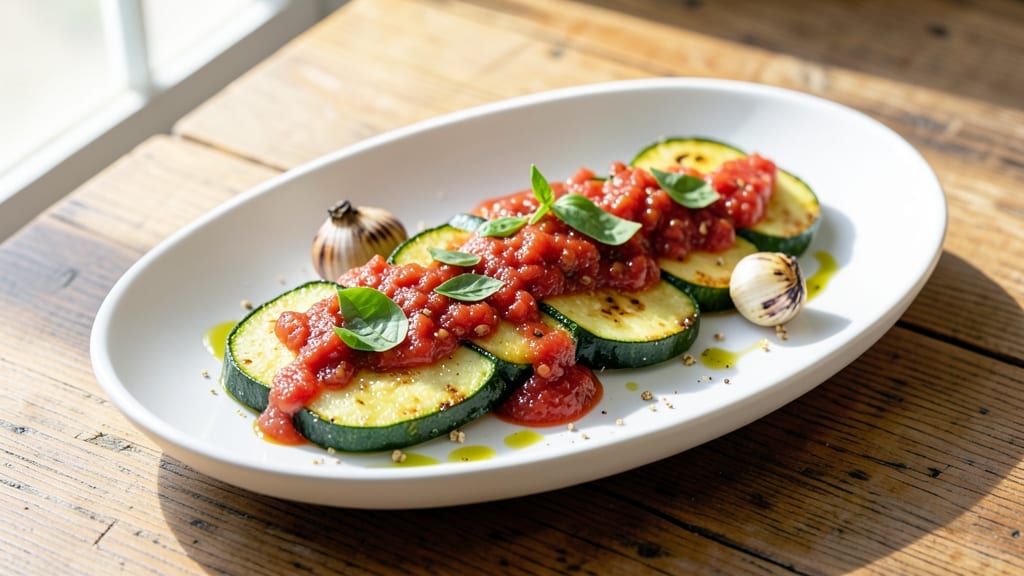
This Italian-style tomato sauce recipe transforms simple zucchini into a restaurant-worthy side dish with minimal effort. The secret lies in balancing sweet San Marzano tomatoes, fresh basil, and garlic to create a sauce that clings perfectly to tender, golden zucchini slices.
I developed this method after realizing how quickly fresh summer vegetables disappear when paired with bold flavors—this keeps them center stage while adding depth.
The process begins with sautéing zucchini until just tender, then simmering in a rich tomato-basil sauce that reduces to a velvety consistency. This technique ensures the vegetables stay crisp-tender while absorbing the sauce's vibrant flavors.
The result is a dish that feels indulgent yet remains light enough for warm weather dining. Professional-level results come from precise timing and quality ingredients—no shortcuts here.
By the time you plate this dish, you'll have perfectly cooked zucchini bathed in a glossy tomato sauce with bright basil notes and subtle garlic warmth. The sauce's natural sweetness complements the zucchini's mild flavor, creating a harmonious balance that's both comforting and refreshing.
Garnish with fresh basil or grated Parmesan for an elegant touch that elevates any meal.
This recipe works equally well as a side for grilled meats, fish, or as a vegetarian main course with crusty bread. The sauce keeps beautifully in the refrigerator for up to 5 days, making it perfect for meal prep.
Let's create this Italian-inspired dish that brings summer flavors to your table with professional precision.
Ingredients for zucchini with italian style tomato sauce
Professional-quality Italian tomato sauce requires precise ingredients and technique to elevate simple zucchini into a restaurant-worthy dish.
| Ingredient | Amount | Notes |
|---|---|---|
| Medium Zucchini 🥒 | 4 whole | Medium size, sliced lengthwise |
| San Marzano Crushed Tomatoes 🍅 | 1 can | 28 oz can, high-quality |
| Extra-Virgin Olive Oil 🫒 | ½ cup | Light fruity variety preferred |
| Fresh Garlic Cloves 🧄 | 4 cloves | Peeled and finely minced |
| Fresh Basil Leaves 🌿 | ½ cup | Packed, stems removed |
| Granulated Garlic 🧄 | 1 tsp | For additional depth |
| Diamond Crystal Kosher Salt 🧂 | 1 ½ tsp | Fine grain preferred |
| Freshly Ground Black Pepper 🌶️ | ½ tsp | Coarsely ground |
| Red Wine Vinegar 🍷 | 1 tbsp | Dry variety preferred |
| Freshly Grated Parmesan Cheese 🧀 | ¼ cup | Aged minimum 24 months |
| Freshly Shredded Mozzarella Cheese 🧀 | ½ cup | Low-moisture preferred |
| Unsalted Butter 🧈 | 2 tbsp | Cold, cubed for sautéing |
The San Marzano tomatoes are non-negotiable for authentic flavor—Whole Foods or Trader Joe's carry the best canned varieties. Fresh basil should be vibrant green with no wilting, ideally sourced from a local market or your garden. Parmesan cheese must be aged at least 24 months for optimal depth; pre-shredded varieties lack the necessary sharpness. For the olive oil, California Extra Virgin brands like Corto or Otto provide the ideal balance of fruitiness and mild peppery finish. The zucchini should be firm with bright green skin—avoid any with soft spots or yellowing.
No San Marzano tomatoes? Crushed Roma tomatoes work as a substitute, though the flavor will be slightly less refined. Fresh basil unavailable? Dried basil can be used at one-third the amount, but fresh is preferred for that signature aroma. Red wine vinegar can be swapped for balsamic vinegar in a pinch, though the flavor profile will differ slightly. For the cheese, Pecorino Romano offers a similar sharpness to Parmesan. The granulated garlic adds depth without the need for fresh cloves—Garlic-Inspired brand is a reliable choice for consistent flavor.
The sauce keeps beautifully in the refrigerator for up to 5 days when stored in an airtight container. For longer storage, portion into ice cube trays, freeze, and transfer to a sealed bag for up to 3 months. The zucchini should be cooked fresh but can be pre-sliced and stored in the fridge for 2 days before sautéing. The Parmesan and mozzarella can be pre-grated and stored in the freezer for 6 months, though freshly grated always delivers superior results.
Why You'll Love This Recipe
- One-Pan Magic: Sliced zucchini and tomatoes simmer together—no extra pots, no extra stress. Just toss everything in one skillet, let the olive oil and garlic work their magic, and walk away while it develops that perfect balance of sweet and tangy.
- Garlic-Basil Bomb: That first bite? The crushed tomatoes caramelize into something rich, the garlic mellows into sweetness, and the fresh basil—oh—it’s like a little burst of summer in every forkful. My husband still asks for seconds even when he swears he’s "full."
- Weeknight Flex: Too busy to plan? This is my "I’ll figure it out later" dish. Serve it over pasta when you’re tired, stuff it into sandwiches for lunch the next day, or toss it into a frittata when you’re really swamped. It’s the ultimate "I’ve got this" meal.
- Budget-Friendly Hero: San Marzano tomatoes and fresh basil might sound fancy, but they stretch further than you’d think. A single jar of tomatoes feeds four meals, and a handful of basil lasts all week if you use it wisely. Leftovers? Even better reheated—just add a sprinkle of cheese if you’re feeling fancy.
Step-by-step instructions for zucchini with Italian-style tomato sauce
This method delivers restaurant-quality sautéed zucchini with a vibrant tomato-basil sauce and creamy cheese finish.
Prepare the Zucchini for Perfect Texture
Wash and dry the 4 whole medium zucchini thoroughly, then slice them lengthwise into ¼-inch thick half-moons. I find this thickness cooks evenly while maintaining a pleasant bite. Arrange the slices on a clean kitchen towel and sprinkle lightly with the 1.5 teaspoons diamond crystal kosher salt. Let them sit for 10 minutes—this draws out excess moisture that would otherwise steam the zucchini instead of searing it.
After the salting period, pat the zucchini dry with fresh paper towels. This step is critical for achieving that beautiful caramelized crust we're after. The slices should feel almost dry to the touch when you handle them. Arrange them on a plate and set aside while you prepare the sauce base.
Build the Flavor Foundation with Garlic and Tomatoes
Heat the 2 tablespoons unsalted butter in a large skillet over medium heat until it foams and bubbles. Add the 4 cloves fresh garlic cloves and the 1 teaspoon granulated garlic, cooking for exactly 30 seconds until the garlic becomes fragrant but doesn't brown. This quick cook preserves the garlic's sweetness without bitterness.
Pour in the 1 can san marzano crushed tomatoes and stir well. Bring to a gentle simmer, then reduce heat to low. Let the sauce cook uncovered for 10 minutes, stirring occasionally. You'll notice the tomatoes begin to break down and develop a thicker consistency. This simmering step allows the natural sweetness of the tomatoes to concentrate while developing depth of flavor.
Sauté the Zucchini in Rich Tomato Sauce
Add the prepared zucchini slices to the skillet in a single layer. Pour in the 0.5 cup extra-virgin olive oil and toss gently to coat. Increase heat to medium-high and let the zucchini cook undisturbed for 3-4 minutes until the edges begin to turn golden. This initial searing creates that beautiful caramelization that's essential for Italian-style preparations.
After the initial sear, stir the zucchini occasionally for another 5-6 minutes until they're tender but still hold their shape. The sauce should coat the zucchini evenly, creating a vibrant, colorful dish. Here's where it gets good—taste the sauce and adjust seasoning with additional diamond crystal kosher salt if needed. The zucchini should be just tender enough to yield slightly when pressed with a fork.
Finish with Fresh Herbs and Cheese
Remove the skillet from heat and stir in the 0.5 cup fresh basil leaves, the 1 tablespoon red wine vinegar, and the 0.25 cup freshly grated parmesan cheese. Let the mixture sit for 2 minutes to allow the flavors to meld together. The basil will release its aromatic oils, and the vinegar adds a bright acidity that cuts through the richness.
Finally, sprinkle the 0.5 cup freshly shredded mozzarella cheese over the top and stir gently just until the cheese begins to melt and create a creamy sauce. The heat from the skillet will be enough to soften the mozzarella without cooking it completely. Taste and adjust seasoning with freshly ground black pepper if desired. This dish should balance sweet tomatoes, fresh basil, salty parmesan, and creamy mozzarella in perfect harmony.
Serve Immediately for Optimal Texture
Transfer the zucchini to serving plates while the cheese is still slightly melty. The sauce should cling beautifully to each zucchini slice, creating an elegant presentation. Serve immediately while the zucchini is hot and the cheese maintains its perfect creamy texture. This dish pairs wonderfully with crusty bread or as a side to grilled meats.
Real talk: if you let it sit too long, the mozzarella will continue cooking and may become rubbery. The sauce will also thicken as it cools, so serving immediately ensures that perfect balance of textures we're after—tender zucchini with a glossy, flavorful sauce.
Pro Tips For Making Zucchini With Italian Style Tomato Sauce
- Slice Zucchini Thin: Cut them 1/4-inch thick—any thicker and they’ll turn mushy instead of tender-crisp. I used to slice them like cucumbers, but this is where the texture magic happens for this dish.
- Salt Tomatoes First: Sprinkle a pinch of salt over the crushed San Marzano tomatoes before cooking. Lets the natural juices release and deepens the flavor—no one wants bland sauce, even if it’s San Marzano.
- Sweat Garlic Low: Cook the garlic at the lowest heat possible—just above a simmer—until it’s golden, not brown. Burnt garlic ruins the sauce faster than you can say pasta al pomodoro.
- Toss Zucchini Raw: Add the sliced zucchini to the sauce raw and cook it all together. Stirring it in at the end turns it into a sad, limp mess—this way, it soaks up the tomato flavor and stays just tender.
Dietary considerations for zucchini with italian style tomato sauce
Vegetarian-Friendly Adaptations
This recipe is already vegetarian, but you can easily make it vegan by omitting the cheese entirely and using nutritional yeast (about 2 tbsp) for a cheesy flavor.
Replace the butter with olive oil and ensure all other ingredients are plant-based. The sauce remains rich and flavorful while keeping the dish entirely vegan. 🌱
Gluten-Free Considerations
All ingredients in this recipe are naturally gluten-free, but always double-check labels on canned tomatoes and cheese for hidden additives. The San Marzano tomatoes and fresh ingredients are typically safe, but cross-contamination can occur in shared kitchens or pre-packaged items.
For extra safety, use certified gluten-free brands like Barilla for any bread pairings.
Low-Carb Modifications
To reduce carbs, skip the mozzarella and use only 1 tbsp grated Parmesan (about 1g net carbs per tbsp). The zucchini provides natural sweetness while keeping the dish low in carbohydrates.
The tomato sauce remains the star, delivering rich flavor without the carb load. This version works perfectly for keto-friendly meals while maintaining Italian authenticity. 💪
Allergen-Free Options
For nut allergies, ensure all ingredients are nut-free, particularly if using pre-shredded cheese (some brands process in facilities with nuts). The recipe is naturally dairy-free if you omit the cheese, but the sauce still delivers bold Italian flavors.
For egg allergies, no modifications are needed—this dish contains no eggs. Always verify ingredient labels when substituting brands.
Dairy-Free Substitutes
Replace the mozzarella with vegan mozzarella shreds (like Miyoko's) for a melty texture, and use dairy-free Parmesan (such as Follow Your Heart) for a similar sharpness.
The sauce will still cling beautifully to the zucchini while keeping the dish entirely dairy-free. The flavor remains authentic, just without the lactose. 🧀➡️🌿
Nutrition facts
Frequently asked questions
Can I use regular tomatoes instead of San Marzano?
While San Marzano tomatoes deliver the most authentic flavor, you can substitute with Roma tomatoes or a high-quality crushed tomato blend. The key is choosing tomatoes with low acidity and good sweetness—avoid watery or overly acidic varieties. If using regular canned tomatoes, simmer the sauce slightly longer (12-15 minutes) to develop deeper flavor and reduce excess liquid.
What's the best way to store leftovers?
Store the cooked zucchini and sauce in an airtight container in the refrigerator for up to 3 days. The texture will change slightly as the zucchini absorbs more sauce, but reheating gently in a skillet with a splash of water or olive oil restores the best texture. For longer storage, freeze the sauce separately from the zucchini—freeze the sauce in ice cube trays and thaw as needed.
Why did my zucchini turn mushy?
Overcooking is the most common cause—zucchini should be tender but still hold its shape (8-10 minutes total cooking time). Always salt and dry the slices thoroughly before cooking to prevent steaming. For extra insurance, try grilling instead of sautéing, which gives better control over doneness. The sauce should coat the zucchini without making it soggy.
Can I make this ahead of time?
Prepare the tomato sauce up to 2 days ahead and store it in the fridge. Cook the zucchini fresh just before serving to maintain its crisp-tender texture. For a complete make-ahead meal, cook the zucchini in the sauce (without cheese) and refrigerate. Reheat gently, then add fresh basil and cheese just before serving to preserve vibrant flavors.
What other vegetables pair well with this dish?
This sauce works beautifully with eggplant (slice and roast first), bell peppers (sauté with zucchini), or cherry tomatoes (add to the sauce at the end). For a heartier dish, add white beans or cannellini beans to the sauce during the final 5 minutes of simmering. The sauce's acidity complements these vegetables perfectly.