
Sauces & Condiments
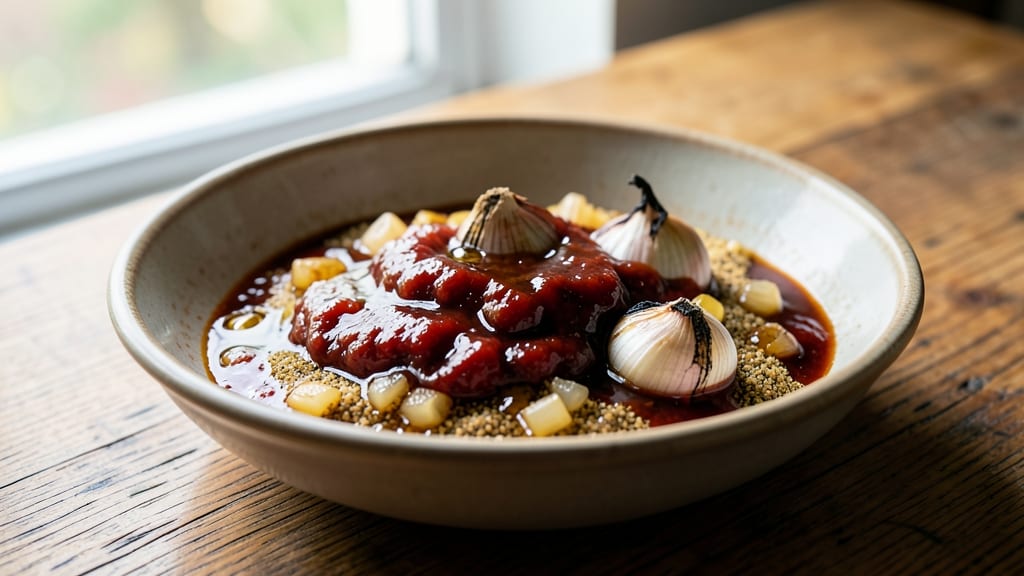
This basic chilli sauce recipe transforms simple pantry staples into a versatile, smoky tomato base that elevates everything from tacos to grilled meats. The secret lies in balancing heat, sweetness, and acidity—no fancy ingredients required.
I developed this version after years of testing store-bought sauces that always fell short of restaurant-quality depth.
The foundation is a rich tomato base simmered with garlic, onions, and spices until deeply flavorful. A touch of brown sugar caramelizes for natural sweetness, while vinegar brightens the sauce and balances the heat.
What sets this apart is the smoky depth achieved through careful spice toasting—a technique that transforms ordinary chilli sauce into something extraordinary.
By the end, you'll have a smooth, vibrant sauce with just the right kick—intensely flavorful yet approachable. It thickens naturally as it cooks, creating a perfect consistency for dipping, drizzling, or tossing.
The best part? This sauce keeps beautifully in the fridge for up to two weeks, making it ideal for meal prep and bulk cooking.
Ready to customize? Adjust the heat level with cayenne or smoked paprika, or add a splash of fruit juice for brightness. Whether you're serving it with wings, tacos, or roasted vegetables, this chilli sauce delivers professional results with minimal effort.
Ingredients for basic chilli sauce
Pantry staples transform into a restaurant-quality chilli sauce with smoky depth and perfect balance.
| Ingredient | Amount | Notes |
|---|---|---|
| San Marzano Crushed Tomatoes 🍅 | 2 cans | 28 oz each, high-quality canned tomatoes |
| Yellow Onion 🧅 | 1 whole | Medium size, finely diced |
| Garlic Cloves 🧄 | 4 cloves | Fresh, peeled, minced |
| Dark Brown Sugar 🍯 | 2 tbsp | For caramelization and depth |
| Apple Cider Vinegar 🍏 | 2 tbsp | For acidity balance |
| Ground Cumin 🌿 | 1 ½ tsp | Toasted for enhanced aroma |
| Smoked Paprika 🌶️ | 1 ½ tsp | For smoky depth |
| Ground Cayenne Pepper 🔥 | ½ tsp | Adjust for heat preference |
| Diamond Crystal Kosher Salt 🧂 | 1 tsp | For seasoning balance |
| Extra-Virgin Olive Oil 🫒 | 2 tbsp | High-quality for richness |
The tomatoes are the backbone—San Marzano delivers sweetness and acidity without wateriness. Trader Joe's and Whole Foods carry them year-round, but any high-quality canned tomato works in a pinch. Toast your spices in the saucepan first (cumin and paprika) for 30 seconds—this unlocks their full aroma and smoky complexity. The brown sugar caramelizes beautifully during simmering, adding natural sweetness without overpowering. For vinegar, stick with apple cider—its mild tang won't compete with the tomatoes' flavor.
No San Marzano tomatoes? Crushed Roma tomatoes are the next best option. Short on vinegar? Lemon juice at half the amount works, though it'll brighten the sauce more. Want extra smokiness? Add 1 tsp liquid smoke at the end. The cayenne is adjustable—start with 0.25 tsp if you're sensitive to heat. For a deeper color, char the onions slightly before adding them to the pan. The olive oil matters here—use something with fruity notes like California extra-virgin for the best finish.
This sauce thickens as it cooks, but if it's too thin, simmer uncovered for 10-15 minutes to reduce. Store in an airtight container in the fridge for up to 2 weeks, or freeze for 6 months in ice cube trays for single-serving portions. The flavor actually improves over time—perfect for batch cooking. For a smoother texture, blend briefly before serving, but leave it slightly chunky for that authentic restaurant feel.
Why You'll Love This Recipe
- I’ll be real: I keep a bag of frozen onions and pre-minced garlic in my freezer just for this. Dump, stir, simmer—no knife skills required.
- No Chopping Struggle: I’ll be real: I keep a bag of frozen onions and pre-minced garlic in my freezer just for this. Dump, stir, simmer—no knife skills required.
- Sweet-Savory Magic: That dark brown sugar and apple cider vinegar combo? It’s the secret. The tomatoes caramelize into something rich, the acid brightens it up, and suddenly your stir-fry or wings taste like a restaurant’s special sauce.
- Pantry Stash Ready: I make a big batch on Sundays because it’s my go-to for everything—dipping, marinating, even glaze for roasted veggies. Honestly, I’ve had it last three weeks in the fridge, and it’s still better than store-bought.
Step-by-step instructions for smoky tomato chilli sauce
Here's the straightforward method to develop a rich, balanced chilli sauce from pantry staples.
Build the Flavor Base with Aromatics
Heat the 2 tablespoons extra-virgin olive oil in a medium saucepan over medium heat until shimmering. Add the 1 whole yellow onion, diced into even ¼-inch pieces, and cook for 6-8 minutes until softened and translucent. The onions should release their moisture and begin to caramelize slightly at the edges.
Reduce heat to medium-low and add the 4 cloves garlic, minced into a fine paste. Cook for exactly 1 minute until fragrant—garlic burns quickly, so don't walk away. This initial aromatic development forms the flavor foundation of your sauce. The onion should be tender enough to crush between your fingers, and the garlic should smell pungent but not bitter.
Develop Depth with Spices and Sweetness
Add the 1.5 teaspoons ground cumin and 1.5 teaspoons smoked paprika to the pan, stirring constantly for 30 seconds to toast the spices. This releases their essential oils and deepens their flavor profiles. The mixture should darken slightly and fill your kitchen with an aromatic smokiness.
Stir in the 2 tablespoons dark brown sugar and cook for another 1 minute until it begins to caramelize. This step creates the sauce's subtle sweetness that balances the acidity later. The sugar should dissolve completely, and the spices should be evenly distributed throughout the onions and garlic.
Incorporate Tomatoes and Acid
Pour in the 2 cans san marzano crushed tomatoes, stirring to combine with the aromatic base. Increase heat to medium-high and bring to a gentle simmer. Add the 2 tablespoons apple cider vinegar and 0.5 teaspoon ground cayenne pepper, stirring well to distribute the heat evenly.
Simmer uncovered for 15 minutes, stirring occasionally to prevent sticking. The sauce should reduce slightly and develop a glossy consistency. You'll notice the acid from the vinegar brightening the tomatoes' natural sweetness while the cayenne adds subtle heat. The tomatoes should break down into a smooth, velvety texture.
Season and Refine the Sauce
Reduce heat to low and stir in the 1 teaspoon diamond crystal kosher salt. Taste the sauce and adjust the seasoning if needed—you may want to add more cayenne for heat or vinegar for acidity. The sauce should balance sweet, smoky, spicy, and tangy flavors.
Continue simmering for another 10 minutes until the sauce reaches your desired consistency. It should coat the back of a spoon but remain pourable. For a thicker sauce, simmer longer; for a thinner one, add a splash of water. The final sauce should have a rich, smoky aroma with visible depth of color from the caramelized onions and spices.
Finish and Store Properly
Remove the sauce from heat and let it cool to room temperature. The flavors will continue developing as it cools. Transfer to clean jars or containers and refrigerate for up to 1 week, or freeze for up to 3 months.
This sauce will elevate any dish—use it as a marinade, dipping sauce, or topping for tacos, grilled meats, or roasted vegetables. The balance of sweet, smoky, and spicy flavors makes it incredibly versatile while remaining simple to prepare.
Pro Tips For Making Basic Chilli Sauce
- Sweat the Onion First: I learned this the hard way—tossing raw onion into the pot just makes the sauce taste bitter and raw. Instead, cook the diced yellow onion in a dry pan over medium heat for 8-10 minutes until it’s soft, golden, and smells sweet. This builds the flavor foundation before the tomatoes even hit the pot.
- Crush the Garlic: Minced garlic burns before it browns, and that’s when the sauce turns bitter. Instead, smash the whole cloves with the flat side of your knife, peel them, then slice thinly. They’ll infuse flavor without scorching—your sauce will taste deeper, not burnt.
- Vinegar Last, Not First: Adding apple cider vinegar at the end keeps the bright, tangy flavor sharp instead of letting it mellow into the background. Stir it in during the last 2 minutes of cooking, right before you taste and adjust seasoning. (Yes, even if you’re impatient like me.)
- Simmer Slow, Not Boil: A rolling boil evaporates too much liquid and makes the sauce thick and one-dimensional. Instead, keep it at a gentle simmer—tiny bubbles breaking the surface—so the tomatoes break down evenly and the sugar caramelizes naturally. This isn’t the prettiest method, but it’s the tastiest.
Pro cooking tips for perfect results
Spice Toasting Secrets
Toast your spices in the saucepan for 30 seconds over medium heat before adding other ingredients. This step unlocks their full aroma and smoky depth—ground cumin and smoked paprika develop nutty, earthy notes that transform your sauce.
I use a 10-inch stainless steel saucepan for even heat distribution. The spices should darken slightly and release a fragrant cloud of steam. 🌶️
Onion Caramelization
Cook your onions until they reach a deep golden color—this takes 8-10 minutes over medium heat. The longer they caramelize, the sweeter and more complex your sauce becomes. I like to use yellow onions for their mild sweetness, but red onions add a subtle tang.
For extra depth, add 1 teaspoon of balsamic vinegar in the final minute of cooking.
Heat Control Matters
Never let your sauce boil vigorously—keep it at a gentle simmer to prevent scorching. I maintain medium-low heat after adding tomatoes, stirring occasionally to distribute heat evenly. A lid-free simmer allows excess moisture to evaporate, concentrating flavors. The sauce should reduce by about 25% during cooking for optimal thickness.
Acid Balance Tricks
Add vinegar gradually—start with 1 tablespoon and taste before adding the full 2 tablespoons. Apple cider vinegar adds complexity, while white vinegar provides sharper acidity.
For a fruity twist, substitute 1 tablespoon of pineapple juice for half the vinegar. The acid brightens flavors and prevents the sauce from tasting flat. 🍏
Thickness Adjustments
If your sauce is too thin after simmering, continue cooking uncovered for 10-15 minutes to reduce further. For immediate thickening, mix 1 teaspoon of cornstarch with 2 tablespoons of water and stir in at the end.
The sauce should coat the back of a spoon but remain smooth enough to drizzle. I avoid over-blending—some texture adds authenticity.
Flavor Development Time
Let your sauce rest for at least 30 minutes before serving—this allows flavors to meld completely. I often make it a day ahead for even deeper taste complexity. Store in an airtight container in the fridge, where it continues improving for up to 2 weeks.
The longer it sits, the more balanced and harmonious the flavors become. 💫
Nutrition facts
Frequently asked questions
Can I make this chilli sauce without tomatoes?
For a tomato-free version, substitute the crushed tomatoes with 2 cups of tomato paste plus 1 cup of vegetable broth or apple juice to thin it. Alternatively, use 1 cup of red bell pepper purée for a sweeter, fruitier profile. The key is maintaining the same liquid-to-thickener ratio to achieve the right consistency.
How do I adjust the heat level?
Start with the 0.5 tsp cayenne pepper as written, then adjust in ¼ tsp increments. For mild heat, reduce to 0.25 tsp or omit entirely. For extra spice, add ½ tsp red pepper flakes or a pinch of crushed chili flakes. Always taste before adding more—heat builds as the sauce cools.
Can I use this sauce as a marinade?
Yes! This chilli sauce makes an excellent marinade for meats like chicken or shrimp. Combine ½ cup of sauce with 1 tbsp olive oil and let it sit for 2-4 hours (or overnight for deeper flavor). The acidity and spices tenderize while adding bold flavor. Just don't marinate for too long—6 hours max for poultry to avoid overcooking.
Why did my sauce turn out too thin?
Sauce thinning usually happens when it doesn't reduce enough during simmering. Fix it by simmering uncovered for 10-15 extra minutes or mixing 1 tsp cornstarch with 2 tbsp water, then stirring it in. For prevention, always use a heavy-bottomed pot and maintain medium-low heat after adding tomatoes. The goal is 25% reduction—if it's still runny after 30 minutes, it needs more time.
What are the best ways to use leftover chilli sauce?
Leftover sauce keeps beautifully for 2 weeks** in the fridge—use it in tacos, as a pizza sauce base, or drizzled over grilled corn. For extra versatility, freeze portions in ice cube trays for single-use servings. It also makes a fantastic dip for fries or veggie sticks, and pairs well with roasted meats. The smoky depth works surprisingly well in soups too!