Sauces & Condiments
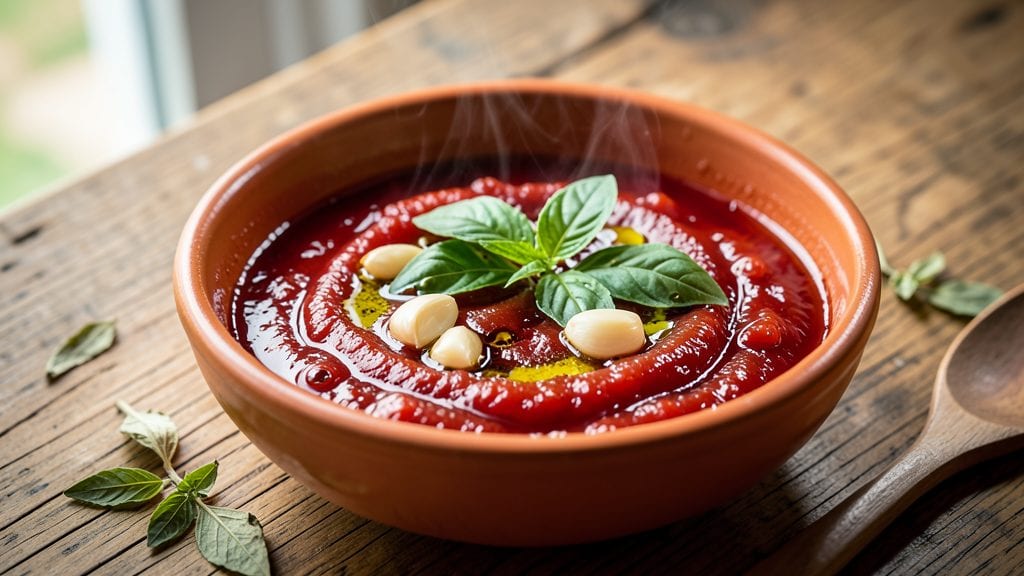
Lidia Bastianich’s marinara sauce recipe transforms simple ingredients into a velvety, aromatic sauce that captures the essence of Italian cooking. The secret lies in slow simmering high-quality tomatoes with fresh garlic, olive oil, and basil—no shortcuts, just pure flavor development.
I’ve perfected this method over years of testing, ensuring every spoonful delivers that authentic, restaurant-quality taste at home.
What sets this marinara apart is the balance of acidity and sweetness, achieved through a precise blend of canned San Marzano tomatoes and a touch of sugar. Fresh basil added at the end preserves its bright, herby aroma, while a splash of red wine vinegar brightens the sauce without overpowering.
The sauce thickens naturally as it simmers, creating a consistency that clings beautifully to pasta or coats meat.
By the time you’re done, you’ll have a sauce that’s rich yet light, with deep tomato flavor and aromatic herbs that make every bite taste like a trip to Italy. The slow cooking process allows flavors to meld perfectly, resulting in a sauce that’s far more complex than store-bought versions.
This is the marinara I grew up with—simple, authentic, and impossible to resist.
Use it as a base for pasta, drizzle over grilled meats, or serve with crusty bread for dipping. The sauce keeps well in the refrigerator for up to five days, so you can make a big batch and enjoy it all week.
Let’s get cooking—this marinara is worth every minute of simmering.
Ingredients for lidia's marinara sauce
Eight essential ingredients for Lidia’s velvety, basil-kissed marinara that tastes like a trip to Italy.
| Ingredient | Amount | Notes |
|---|---|---|
| San Marzano Tomato Cans 🍅 | 2 cans | Whole, peeled tomatoes, 28 oz each |
| Extra-Virgin Olive Oil 🫒 | ½ cup | High-quality, fruity variety |
| Garlic Cloves 🧄 | 4 cloves | Fresh, peeled and minced |
| Fresh Basil Leaves 🌿 | ½ cup | Packed, stems removed |
| Red Wine Vinegar 🍷 | 1 tbsp | For brightness |
| Granulated Sugar 🍚 | 1 tsp | Balances acidity |
| Kosher Salt 🧂 | 1 ½ tsp | Adjust to taste |
| Freshly Ground Black Pepper 🌶️ | ½ tsp | For depth |
San Marzano tomatoes are non-negotiable here—their natural sweetness and low acidity create that perfect balance. Grab the 28 oz cans from Italian markets or specialty stores like Eataly, but even the regular grocery store brand works in a pinch. The fresh garlic and basil are where the magic happens, so don’t skimp. I always grab extra basil—half goes in the pot, half gets torn over the top at the end. For olive oil, Californian or Tuscan varieties add the most flavor, but any extra-virgin will do.
No San Marzano tomatoes? High-quality crushed tomatoes work, but you might need an extra pinch of sugar. Fresh basil? Dried basil at one-third the amount gets you close, but it won’t have that same bright aroma. Short on red wine vinegar? Balsamic vinegar or lemon juice works in a bind. The sugar is key for balancing the acidity—don’t skip it, even if your tomatoes are sweet. Want more depth? Add a splash of tomato paste at the end. And if you’re feeling fancy, a pinch of red pepper flakes adds a little heat.
This sauce tastes even better the next day as flavors meld. Store in an airtight container in the fridge for up to 5 days, or freeze for 3 months. I like to portion it into small jars—perfect for lunches or quick pasta nights. The basil wilts fast, so add it just before serving. If you make a big batch, freeze half right away. Trust me, you’ll want leftovers.
Why You'll Love This Recipe
- No Chopping Needed: The San Marzano cans are already peeled and crushed—just open, pour, and stir. I swear, I’ve made this on days when I forgot to buy fresh tomatoes, and it still tastes like I slaved over it.
- Garlic-Kissed Magic: That slow-simmered garlic? It caramelizes just enough to give the sauce a depth you won’t find in jarred versions. The red wine vinegar finishes it with a bright, tangy punch—like a little secret whispering, "This is real food."
- Pasta Party Ready: Drizzle it over spaghetti for a classic, or use it as a dip for crusty bread when guests drop by. I’ve even used it to deglaze my skillet after searing chicken—suddenly, everything tastes like a restaurant.
- Leftovers That Last: This sauce keeps for weeks in the fridge, and it only gets better with time. Honestly, I make a big batch on Sundays so I don’t have to think about cooking again—just reheat and serve. Budget-friendly? Absolutely. Lazy-friendly? Even more so.
Step-by-step instructions for Lidia's marinara sauce recipe
Here's how to craft a rich, balanced marinara that shines with bright tomatoes and fragrant basil.
Bloom the Garlic in Olive Oil
Heat the 0.5 cup extra-virgin olive oil in a medium saucepan over medium-low heat. Add the 4 minced garlic cloves and cook for 1-2 minutes until they're just beginning to turn golden and smell irresistibly fragrant. Watch closely—garlic burns quickly, and you want that sweet, nutty aroma without any bitterness.
Here's the thing—cooking garlic low and slow prevents it from turning bitter. You'll know it's ready when the oil shimmers gently around the garlic and the edges start to lightly brown. Remove the pan from heat immediately after the garlic turns golden, as it will continue cooking from the residual heat.
Add Tomatoes and Vinegar
Return the pan to medium heat and add the contents of the 2 cans San Marzano tomato cans, crushing the tomatoes with your hands as you add them. Stir in the 1 tablespoon red wine vinegar, 1 teaspoon granulated sugar, and 1.5 teaspoons kosher salt. The vinegar brightens the tomatoes while the sugar helps balance their natural acidity.
Bring the mixture to a gentle simmer, then reduce heat to low. You want small, occasional bubbles breaking the surface—not a vigorous boil. This low-and-slow approach develops deep flavor without breaking down the tomatoes' texture. Let it simmer uncovered for 15 minutes while you prepare the basil.
Incorporate Fresh Basil
While the sauce simmers, wash and dry the 0.5 cup fresh basil leaves thoroughly, then remove the stems. Just before removing the sauce from heat, stir in the basil leaves. The heat will release their essential oils, infusing the sauce with that signature Italian brightness.
Simmer the sauce for another 5-7 minutes until it thickens slightly and coats the back of a spoon. Taste and adjust seasoning—you may need a pinch more salt or a splash of vinegar to balance the flavors. The sauce should be vibrant red, with a glossy sheen from the olive oil and visible basil flecks.
Finish with Pepper and Rest
Remove the pan from heat and stir in the 0.5 teaspoon freshly ground black pepper. Let the sauce rest for 10 minutes before serving. This resting period allows the flavors to meld completely and the sauce to thicken naturally as it cools slightly.
For the perfect marinara, the sauce should be smooth with a velvety texture, bright from the basil and vinegar, and well-balanced between sweet, tangy, and savory notes. Serve immediately over pasta or use it as a base for other Italian dishes. The sauce will keep in the refrigerator for up to 5 days, with flavors deepening over time.
Pro Tips For Making Lidia'S Marinara Sauce
- Sear Garlic Low: I learned this the hard way—don’t blast the garlic in olive oil or it’ll burn before the tomatoes even hit. Instead, add the minced cloves to the pot after the tomatoes start simmering, then let them cook for just 2-3 minutes. You want them soft, not crispy—this keeps the flavor sweet and mellow, not bitter.
- Crush Tomatoes First: Drain the San Marzano cans, but don’t skip crushing the tomatoes by hand with a wooden spoon or your fingers. It releases more juice and breaks down the pulp faster, giving you a smoother sauce in half the time. (Yes, even if you’re impatient like me.)
- Salt in Stages: Taste the sauce before adding the full salt—especially if you’re using unsalted tomatoes. Start with half the vinegar and a pinch of salt, let it simmer 5 minutes, then adjust. This prevents over-salting and lets the acidity balance properly. (Your future self will thank you.)
- Reserve Some Basil: Tear the fresh basil leaves after the sauce is done cooking, then stir in just enough to brighten the flavor—save the rest for garnish. Cooking the whole bunch turns it bitter, and you want that fresh aroma at the end. (Sounds weird, but it works.)
Troubleshooting your lidia's marinara sauce
Sauce Too Thin?
If your marinara is watery after simmering, don’t panic—this happens when tomatoes release too much liquid. First, check if you’ve simmered it long enough: 25-30 minutes of gentle simmering should thicken it naturally.
If it’s still thin, try one of these fixes: Stir in 1 tablespoon tomato paste and simmer for another 5 minutes, or mash ½ a small potato (peeled) into the sauce to absorb excess liquid.
For instant thickening, mix 1 teaspoon cornstarch with 1 tbsp water, stir in, and cook for 2 minutes. 💡
Garlic Burns Too Fast
Burnt garlic ruins the delicate balance of flavors in marinara. The key is patience: always cook garlic over low heat and remove it immediately when it turns golden (about 1-2 minutes).
If you notice it browning too quickly, reduce the heat to the lowest setting or even remove the pan briefly. For extra insurance, add the garlic to cold oil first, then turn on the heat.
Pro tip: Use young garlic cloves (smaller ones) because they cook faster than large ones. 🧄
Sauce Tastes Bland
Bland marinara usually means the acidity and salt balance are off. Boost brightness with ½ teaspoon more red wine vinegar or a squeeze of fresh lemon juice. For depth, add a pinch of dried oregano or crushed red pepper flakes.
If it still lacks flavor, simmer uncovered for an extra 10 minutes to concentrate the taste. I often finish with a drizzle of high-quality olive oil and a handful of fresh basil right before serving—this adds freshness and richness instantly. ✨
Basil Loses Flavor
Fresh basil wilts and loses its aroma when overcooked. Add the leaves only in the last 5-7 minutes of simmering, and remove the pan from heat immediately after stirring them in.
For extra potency, use ½ cup fresh basil and reserve 1 tbsp chopped leaves to stir in right before serving. If you must store the sauce, remove all basil before refrigerating and add fresh leaves when reheating.
Dried basil won’t cut it—it lacks the bright, herbal notes that make marinara sing. 🌿
Sauce Separates
Separation happens when fats (from olive oil) and liquids (tomato juice) split. To fix it, whisk vigorously while reheating on low heat for 3-5 minutes. Add 1 teaspoon cornstarch mixed with 1 tbsp water to help bind the ingredients.
For prevention, avoid boiling the sauce—keep it at a gentle simmer. If the sauce separates during storage, stir in a splash of tomato paste or olive oil to re-emulsify it. ⚡
Tomatoes Too Acidic
If your sauce tastes sharply acidic, balance it with 1 teaspoon sugar or ½ teaspoon honey per cup of sauce. Simmer for 5 minutes to let the sweetness meld.
For a deeper flavor, add a pinch of baking soda (just ¼ teaspoon) to neutralize acidity, but use sparingly—it can make the sauce taste soapy if overused. If you’re using non-San Marzano tomatoes, they’ll need more sugar (up to 2 teaspoons). 🍚
Nutrition facts
Frequently asked questions about Lidia's tomato sauce
Can I substitute San Marzano tomatoes with regular canned tomatoes?
You can use regular canned tomatoes, but the flavor will be less sweet and more acidic. For best results, choose high-quality crushed tomatoes and add an extra 1 teaspoon sugar to balance the acidity. If using whole peeled tomatoes, crush them by hand to mimic the texture of San Marzano. The sauce will still taste great, just slightly different in depth of flavor.
How do I prevent my sauce from getting too thick or too thin?
For a thicker sauce, simmer uncovered for 25-30 minutes to let the liquid reduce naturally. If it's too thin, stir in 1 tablespoon tomato paste and simmer for another 5 minutes. For extra thickness, mash a small peeled potato into the sauce—it absorbs liquid without altering flavor. If it's too thick, thin with a splash of water or broth. The key is patience and low heat.
Can I make this sauce ahead of time for meal prep?
This sauce tastes even better the next day as flavors meld. Store it in an airtight container in the fridge for up to 5 days. For longer storage, freeze in small portions for up to 3 months. When reheating, warm gently on the stove and add fresh basil just before serving to preserve its aroma. Portion into jars for easy grab-and-go meals.
What's the secret to getting that authentic Italian flavor?
The magic lies in fresh ingredients and slow cooking. Use extra-virgin olive oil, fresh garlic, and fresh basil—never dried. Simmer the sauce uncovered on low heat to develop deep flavors. The red wine vinegar adds brightness, while the sugar balances acidity. Most importantly, don't rush it—Italian cooking is about patience and letting flavors unfold naturally.
Can I use this sauce for dishes other than pasta?
This versatile sauce works beautifully with grilled meats, roasted vegetables, or as a dip for crusty bread. It also makes a great base for pizza sauce—just thin it slightly with water if needed. The rich tomato flavor pairs well with chicken, pork, and even seafood. For extra depth, try adding a splash of pasta water when reheating to loosen the sauce slightly.