Sauces & Condiments
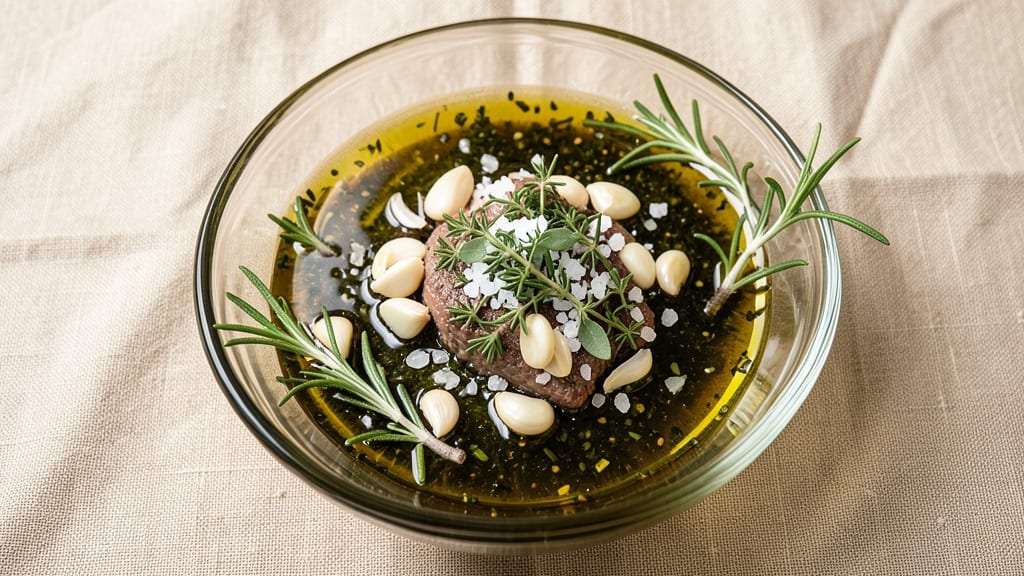
A basic steak marinade recipe transforms tough cuts into tender, flavorful masterpieces with minimal effort. This bold blend of oil, acid, and seasonings penetrates meat in just 15 minutes, unlocking deep, savory notes that elevate any steak—ribeye, sirloin, or flank.
I developed this marinade after years of testing, ensuring it delivers restaurant-quality flavor without overpowering the natural taste of the beef.
The secret lies in balancing acidity (vinegar or citrus) to tenderize while preserving moisture, paired with aromatic herbs and garlic for complexity. Olive oil carries the marinade into the meat, creating a barrier that locks in juices during cooking.
This marinade works equally well for quick searing or slow grilling, making it versatile for any cooking method.
What you’ll achieve is steak with a rich, caramelized crust and an intensely flavorful interior—no dryness, no blandness, just bold, satisfying bites. The marinade enhances rather than masks the meat’s natural qualities, ensuring every slice delivers maximum impact.
Perfect for weeknight dinners or special occasions, this recipe guarantees results that impress even the most discerning palates.
Use it on ribeye for a luxurious experience or sirloin for a leaner cut with deep flavor. The marinade’s simplicity makes it foolproof, while its customizable seasonings allow for endless variations. Let’s dive into the ingredients and instructions that bring this marinade to life.
Ingredients for basic steak marinade
Nine essential components create a marinade that transforms steak into restaurant-quality masterpieces.
| Ingredient | Amount | Notes |
|---|---|---|
| Extra-Virgin Olive Oil 🫒 | ½ cup | High-quality, fruity variety preferred |
| Balsamic Vinegar 🍷 | ¼ cup | Aged balsamic for depth of flavor |
| Fresh Garlic Cloves 🧄 | 6 cloves | Peeled and finely minced |
| Fresh Rosemary 🌿 | 2 tbsp | Finely chopped, fresh preferred |
| Fresh Thyme Leaves 🌿 | 1 tbsp | Fresh or dried at 1/3 amount |
| Diamond Crystal Kosher Salt 🧂 | 1 ½ tsp | Fine grain for even distribution |
| Freshly Ground Black Peppercorns 🌶️ | 1 tsp | Freshly cracked for optimal flavor |
| Worcestershire Sauce 🍶 | 1 tbsp | High-quality, umami-rich variety |
| Fresh Lemon Juice 🍋 | 2 tbsp | Freshly squeezed, no substitutes |
The olive oil serves as the foundation, carrying the marinade deep into the meat's fibers while creating a protective barrier that locks in moisture during cooking. Opt for extra-virgin olive oil with noticeable fruity notes—brands like California Olive Ranch or Colavita deliver consistent quality. Balsamic vinegar provides the necessary acidity to tenderize without overpowering the beef, while Worcestershire sauce adds a deep umami complexity that elevates the entire profile. Fresh garlic and herbs should be purchased from well-stocked markets—Whole Foods or Eataly carry premium selections with vibrant aromas, ensuring maximum potency in your marinade.
Substitutions must maintain the marinade's delicate balance. For balsamic vinegar, red wine vinegar works in a pinch, though it lacks the same depth of flavor. Fresh herbs can be substituted with dried at one-third the amount, but the texture and aroma will differ noticeably. If Worcestershire sauce is unavailable, soy sauce or fish sauce can provide umami, though they introduce slightly different flavor profiles. The lemon juice is non-negotiable—its acidity is crucial for tenderizing, and bottled juice lacks the brightness of fresh. For the garlic, garlic powder at half the amount can be used, though it won't penetrate the meat as effectively.
This marinade maintains peak freshness when stored in an airtight container in the refrigerator for up to 5 days. The acid components preserve the mixture effectively, though the herbs will gradually lose potency. For longer storage, divide into ice cube trays and freeze for up to 3 months. Thaw in the refrigerator before use. The marinade's versatility extends beyond steak—it works equally well on chicken, pork, or even vegetables, though cooking times may vary. Always discard any unused portion after 5 days to prevent bacterial growth.
Why You'll Love This Recipe
- Five-Ingredient Magic: I swear by this combo—just oil, vinegar, garlic, and herbs. No fancy pantry trips, no stressing over ratios. The balsamic cuts through the richness while the rosemary and thyme add that woodsy depth that makes steak taste like it belongs in a restaurant.
- No-Burn Panatella: Between us, I’ve ruined more steaks than I’ll admit. But this marinade? It’s forgiving. The garlic and oil create a crust that seals in juices and keeps the pan from sticking like glue. Even my cast-iron skillet can’t mess it up.
- Weekend Steak, Weeknight Fix: I use this for everything—grilled steaks on summer evenings, sheet-pan dinners when I’m exhausted, or even as a quick marinade for chicken thighs when I’m craving something hearty. The same flavors work for any protein, and honestly? That’s the kind of shortcut I’ll take.
- Leftovers That Don’t Suck: Marinate a few extra slices on Sunday, and you’ve got dinner covered for days. The balsamic keeps it from drying out, and the herbs stay fresh longer than store-bought pre-marinated steaks. My freezer’s full of these, and I’ve never regretted it.
Instructions for a basic steak marinade recipe
A simple yet transformative marinade that elevates steak flavor without overpowering the natural taste.
Combine the Base Ingredients
In a medium bowl, whisk together the 0.5 cup extra-virgin olive oil and 0.25 cup balsamic vinegar until fully emulsified. This combination creates a balanced foundation where the acidity of the vinegar won't overpower the richness of the oil. The olive oil should look uniformly incorporated with no visible separation.
Next, add the 1 tbsp Worcestershire sauce and 2 tbsp fresh lemon juice. Whisk vigorously to blend these acidic components evenly into the oil-vinegar mixture. The Worcestershire sauce adds depth while the lemon juice brightens the overall flavor profile. This mixture should now have a slightly tangy aroma with hints of umami.
Incorporate Aromatics and Herbs
Add the 6 cloves finely minced fresh garlic cloves, 2 tbsp finely chopped fresh rosemary, and 1 tbsp fresh thyme leaves to the bowl. Stir well to distribute the herbs and garlic evenly throughout the marinade. The rosemary and thyme should be finely chopped to ensure they disperse completely rather than settling at the bottom.
At this stage, you'll notice the marinade becoming more aromatic. The garlic will release its pungent scent, while the rosemary and thyme contribute earthy, pine-like notes. This is where the marinade's character truly begins to develop. If you're using dried herbs, reduce the amount to ⅓ of what's specified, but fresh herbs are preferred for maximum flavor impact.
Season with Salt and Pepper
Add the 1.5 tsp diamond crystal kosher salt and 1 tsp freshly ground black peppercorns to the bowl. Stir thoroughly to ensure the salt and pepper are fully dissolved and dispersed. The salt enhances the natural flavors of the steak, while the freshly ground pepper adds a subtle heat and complexity.
Taste the marinade at this point. It should be well-balanced with a tangy, slightly sweet profile from the balsamic and lemon, a savory depth from the Worcestershire, and a fresh herbal finish. If it tastes too acidic, add a small amount of olive oil to mellow it out. If it lacks seasoning, adjust with a pinch more salt or pepper, but be cautious—this marinade is designed to be bold without overpowering.
Rest and Prepare for Use
Transfer the marinade to an airtight container or resealable plastic bag. Seal tightly and let it rest at room temperature for 15 minutes to allow the flavors to meld. This short resting period ensures the marinade is cohesive and ready to use. The flavors will deepen slightly, creating a more harmonious blend.
Before using, give the marinade one final stir to redistribute any settled ingredients. This marinade is best used within 24 hours for optimal flavor and safety. For best results, use it on steaks at least 1 inch thick to ensure even penetration. Avoid marinating for longer than 4 hours to prevent the steak from becoming mushy. The marinade should be applied generously, coating the steak evenly on all sides.
Pro Tips For Making Basic Steak Marinade
- Mince Garlic Like a Pro: I used to just chop garlic cloves and toss them in—big mistake. For this marinade, crush the cloves first with the flat side of your knife, then finely mince them. This releases more flavor and blends better into the oil. (Yes, it takes 30 seconds extra, but it makes a real difference.)
- Balance the Vinegar: Balsamic vinegar is strong—start with 1 tablespoon per ¼ cup olive oil and taste. Too much acid will overpower the steak; too little and the marinade feels flat. If you’re unsure, add it gradually. (I’ve learned this the hard way with a batch of vinegary steak that needed a side of butter to save it.)
- Don’t Skip the Rosemary Needles: Strip the leaves off rosemary sprigs and chop them fine—not just the woody stems. The needles carry the most flavor, and leaving them whole means you’ll get a mouthful of texture instead of aroma. (This isn’t the prettiest method, but it’s the tastiest.)
- Marinate Cold, Not Room Temp: Pop the steak and marinade in the fridge immediately—never let it sit at room temperature, even for 10 minutes. The acid in balsamic and garlic will start "cooking" the meat prematurely, turning it mushy. (I was skeptical until I tried it—now I religiously refrigerate.)
Creative variations of this basic steak marinade
Herb-Infused Variations
Swap rosemary and thyme for fresh tarragon and parsley to create a bright, aromatic marinade perfect for filet mignon. The tarragon adds a subtle anise-like quality that pairs beautifully with the beef’s richness.
For a Mediterranean twist, replace rosemary with oregano and basil, then add 1 tsp dried oregano and 1 tbsp finely chopped basil—this version works wonderfully with flank steak and complements grilled vegetables like zucchini and bell peppers. 🌿
Spicy Heat Twist
Transform your marinade into a fiery experience by adding 1 tbsp hot sauce (like Cholula or Tabasco) and 1 tsp smoked paprika. For extra heat, include ½ tsp cayenne pepper or 1 tsp finely chopped jalapeño.
This version is ideal for ribeye or New York strip steaks and pairs perfectly with sliced avocado and lime wedges on the side. The smoky-sweet notes from the paprika add depth, while the heat cuts through the richness.
Asian-Inspired Fusion
Create a bold fusion marinade by replacing Worcestershire sauce with 2 tbsp soy sauce and adding 1 tbsp honey or maple syrup for balance. Include 1 tbsp grated fresh ginger and 1 tsp sesame oil for an umami-packed twist.
This marinade works exceptionally well with sirloin or flank steak, especially when grilled over charcoal or seared in a cast-iron skillet. Serve with steamed jasmine rice and stir-fried bok choy for a complete meal. 🍚
Citrus Zest Boost
Brighten up your marinade with 1 tbsp orange zest and 1 tbsp freshly squeezed orange juice in place of lemon. Add ½ tsp ground coriander for a citrusy, slightly floral note that pairs beautifully with skirt steak or hangar steak.
The zest adds a fragrant aroma, while the orange juice enhances the acidity without overpowering the beef. This version is perfect for summer grilling and complements grilled pineapple slices or a mango-avocado salad.
Smoky BBQ Marinade
For a smoky, sweet-savory marinade, replace balsamic vinegar with ½ cup apple cider vinegar and add 2 tbsp molasses or maple syrup. Include 1 tbsp smoked salt (like Morton’s Kosher Smoked Salt) and 1 tsp liquid smoke for a deep, charred flavor.
This marinade is ideal for thick-cut steaks like tomahawk or porterhouse, especially when grilled over hickory or oak chips. Serve with caramelized onions and a side of baked beans for a full BBQ experience. 🔥
Nutrition facts
Frequently asked questions
Can I use this marinade on other meats besides steak?
This marinade works beautifully on chicken, pork chops, and even lamb chops. The acidity helps tenderize lean proteins like chicken breast, while the herbs and Worcestershire sauce add depth to pork. For fish, reduce the marinating time to 15-20 minutes maximum to avoid over-acidifying delicate fillets.
How do I prevent my steak from becoming mushy when marinating?
Never marinate for longer than 4 hours—even tough cuts like flank steak can become mushy if left too long. For thicker cuts (1.5 inches+), 2-3 hours is ideal. Always pat the steak dry before cooking to create a better sear. If you're short on time, a 30-minute marinade still adds great flavor without over-tenderizing.
What's the best way to store leftover marinade?
Transfer unused marinade to an airtight container and refrigerate for up to 5 days. For longer storage, freeze in ice cube trays (up to 3 months)—thaw overnight in the fridge before using. Never save marinade that's touched raw meat unless you boil it for 5 minutes first to kill bacteria. The herbs will lose potency over time, so fresh is always best.
Can I make this marinade spicier?
Yes! Add ½ tsp cayenne pepper or 1 tsp hot sauce (like Cholula) for heat. For smoky heat, include 1 tsp smoked paprika along with a pinch of crushed red pepper flakes. These additions work especially well with ribeye or New York strip steaks that can handle the bold flavors.
Do I need to remove the marinade before cooking?
No—just pat the steak dry with paper towels before cooking. The marinade creates a flavorful crust when seared. For grilled steaks, you can even brush extra marinade on during cooking. The only exception is if you're using a non-stick pan where excess liquid might cause sticking.