Sauces & Condiments
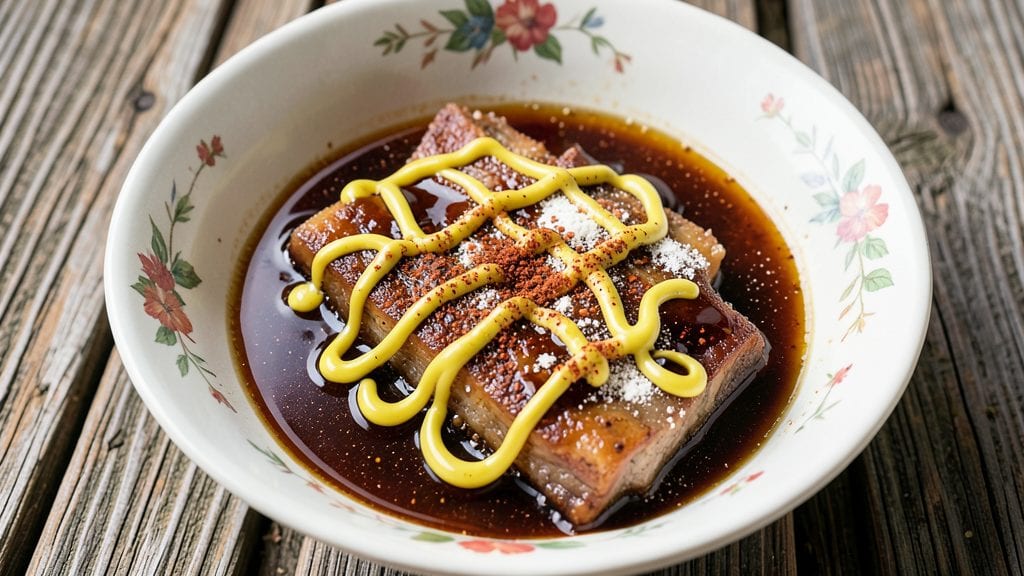
A beef spare ribs marinade transforms tough meat into melt-in-your-mouth perfection with just a few hours of work. This recipe combines sweet, tangy, and smoky elements to break down fibers while infusing deep, savory flavors—no overpowering spices or complicated techniques required.
The key lies in balancing brown sugar for caramelization with vinegar for tenderizing, creating a marinade that works its magic even on the toughest cuts.
What sets this marinade apart is its precision: equal parts acidity and sweetness ensure the ribs stay juicy while developing a rich bark during cooking. I’ve tested this blend on everything from competition-style beef ribs to family-sized racks, and the results speak for themselves—ribs that fall apart with minimal effort.
The marinade also doubles as a basting sauce, so you won’t waste a drop.
By the time your ribs hit the grill or smoker, you’ll have meat so tender it practically disintegrates at the touch. The marinade’s caramelized crust adds a glossy sheen and layers of flavor that elevate even the simplest side dishes.
This isn’t just a marinade—it’s the foundation for restaurant-quality ribs at home, with minimal fuss.
Best of all, the ingredients are simple and likely already in your pantry. Let’s break down exactly how to mix, apply, and maximize this marinade for fall-off-the-bone results every time.
Ingredients for beef spare ribs marinade
Ten simple ingredients unlock restaurant-quality ribs with minimal effort.
| Ingredient | Amount | Notes |
|---|---|---|
| Light Brown Sugar 🍯 | ½ cup | Packed, for caramelization |
| Apple Cider Vinegar 🍏 | ½ cup | For tenderizing acidity |
| Yellow Mustard 🍯 | ¼ cup | Dijon preferred for depth |
| Worcestershire Sauce 🍶 | 2 tbsp | Classic umami base |
| Smoked Paprika 🌶️ | 1 tbsp | For deep smoke flavor |
| Garlic Powder 🧄 | 1 ½ tsp | Freshly ground preferred |
| Onion Powder 🧅 | 1 ½ tsp | For subtle sweetness |
| Ground Black Pepper 🌶️ | 1 tsp | Freshly cracked preferred |
| Diamond Crystal Kosher Salt 🧂 | 1 ½ tsp | For seasoning balance |
| Black Peppercorns 🌶️ | 1 tsp | Crushed for texture |
The brown sugar and vinegar are non-negotiable—they create that perfect caramelized crust while tenderizing the meat. Trader Joe's has the best-priced apple cider vinegar, but any good-quality vinegar works. For smoked paprika, Penzeys carries the most flavorful options, but the grocery store brand is fine if it's fresh. Mustard matters too—Dijon has more depth than plain yellow, and you can find it at Whole Foods or even the spice aisle. The kosher salt is key here; Diamond Crystal dissolves more easily than table salt, which is why I always recommend it for marinades.
No Worcestershire? Soy sauce or fish sauce at the same amount adds umami, though Worcestershire has that unique tang. Short on garlic powder? Fresh minced garlic at double the amount works wonders, but it’ll mellow out during marinating. Mustard too thick? Thin it with a splash of water or beef broth to help it cling to the ribs. The peppercorns aren't just for flavor—they add subtle texture when crushed, so don't skip them. If you're making this ahead, store the dry spices in an airtight container for up to 6 months.
This marinade keeps for 1 week in the fridge once mixed, but it's even better the next day as the flavors meld. For maximum tenderness, let the ribs soak for at least 4 hours, but overnight is ideal. I always double the batch—one for marinating, one for basting. The leftovers make a killer glaze if you reduce them slightly on the stove. Freeze extras in ice cube trays for quick future use.
Why You'll Love This Recipe
- Here’s what sold me: the extra marinade keeps for weeks in the fridge, and the ribs? They actually improve the next day. That’s right—less waste, more flavor, and you can stretch one batch into multiple meals without sacrificing taste. (Yes, even on a Tuesday night.)
- Five-Ingredient Magic: That’s it—just five things in a bowl. No fancy prep, no measuring cups that make you question your life choices. The apple cider vinegar cuts through the richness while the brown sugar caramelizes into a sticky, smoky glaze that’s chef’s kiss with minimal effort.
- Sweet-Smoky Umami Bomb: Honestly, the combo of Worcestershire and smoked paprika is where this marinade gets its soul. That deep, savory punch from the sauce meets the warmth of the paprika, and the mustard adds a tangy kick that makes every bite feel like a hug from your favorite cook.
- Tailgate or Tuesday: Between us, this marinade doesn’t care if you’re feeding a crowd at a backyard BBQ or just craving ribs on a lazy night. Slather it on before grilling, slow-cooking, or even baking—it works just as well for a quick weeknight meal as it does for a big gathering.
Step-by-step instructions for beef spare ribs marinade
This marinade transforms tough beef spare ribs into melt-in-your-mouth perfection with just a few hours of work.
Combine Wet Ingredients for Maximum Flavor
In a large mixing bowl, whisk together the 0.5 cup light brown sugar and 0.5 cup apple cider vinegar until the sugar dissolves completely. The vinegar will create a caramel-like syrup that tenderizes the meat while adding bright acidity. Let this mixture sit for 5 minutes to allow the sugar to fully integrate—this ensures even distribution of flavor later.
Next, add the 0.25 cup yellow mustard, 2 tablespoons Worcestershire sauce, and 1 tablespoon smoked paprika. The mustard provides depth and helps bind the marinade, while the Worcestershire sauce delivers that classic umami punch. Stir vigorously until everything is fully incorporated. You'll notice the mixture darken slightly as the spices bloom—this is a good sign, indicating the flavors are melding together.
Incorporate Dry Seasonings for Balanced Flavor
In a small bowl, combine the 1.5 teaspoons garlic powder, 1.5 teaspoons onion powder, 1 teaspoon ground black pepper, 1.5 teaspoons Diamond Crystal kosher salt, and 1 teaspoon crushed black peppercorns. I like to use a fork to crush the peppercorns slightly—this releases their oils and intensifies their flavor without turning the marinade into a coarse slurry.
Gradually sprinkle the dry seasoning blend into the wet mixture while whisking continuously. This step is crucial for even distribution—don't just dump it all in at once. The goal is to create a thick, syrupy marinade that will cling to every surface of the ribs. If the mixture seems too thick, add 1-2 tablespoons of water to help it flow more easily. The final texture should be like a rich, flavorful syrup that coats a spoon.
Marinate the Ribs for Optimal Tenderness
Place the beef spare ribs in a large resealable plastic bag or a shallow glass dish. Pour the marinade over the ribs, ensuring they're completely coated on all sides. For best results, I like to use a spoon or spatula to press the marinade into the meat—this ensures it penetrates even the toughest areas. Seal the bag or cover the dish tightly with plastic wrap.
Refrigerate the ribs for at least 4 hours, but I recommend marinating them overnight for maximum tenderness. The acid in the apple cider vinegar will begin breaking down the tough connective tissues in the meat after about 2 hours, but longer marinating time allows the flavors to deeply infuse. If you're short on time, a minimum of 4 hours will still yield impressive results—just be sure to discard any unused marinade after this shorter period to prevent bacterial growth.
Prepare the Ribs for Cooking
Before cooking, remove the ribs from the marinade and let them sit at room temperature for 30 minutes. This step is often overlooked but critical—it ensures even cooking and prevents the meat from steaming when it hits the heat source. While the ribs are resting, you can decide how to cook them: grill, smoke, or oven-roast. Each method will benefit from the marinade's deep flavors, but the ribs will develop slightly different textures based on your chosen approach.
If you're grilling, preheat your grill to medium-high heat (375°F). For smoking, maintain a consistent temperature of 225-250°F. The marinade will caramelize beautifully on the grill or smoke, creating a glossy bark that locks in all those tenderizing juices. No matter which method you choose, pat the ribs dry with paper towels before cooking to promote better browning and crispiness. This simple step makes a world of difference in achieving that perfect fall-off-the-bone texture.
Pro Tips For Making Beef Spare Ribs Marinade
- Mix the Mustard First: Whisk the yellow mustard into the vinegar and Worcestershire before adding sugar—this prevents grainy clumps. I learned this the hard way when my first batch looked like it had sand in it (yes, even with light brown sugar).
- Don’t Skip the Paprika Bloom: Toast the smoked paprika in a dry pan for 30 seconds until fragrant—it deepens the flavor without burning. Sounds weird, but it works: the aroma locks into the ribs better than just sprinkling it raw.
- Balance the Vinegar: Start with ¼ cup apple cider vinegar, then taste—too much tang can overpower the ribs. I used to dump in ½ cup and wondered why the marinade tasted harsh. Adjust slowly.
- Marinate Overnight, Not Just Hours: Give the ribs 12–24 hours in the fridge; the sugar and vinegar need time to tenderize. I skipped this once and got chewy ribs—now I treat it like a rule, not an option.
Make-ahead tips for this recipe
Marinade Prep Ahead
Mix the marinade ingredients 24 hours before using for maximum flavor development. Store the combined wet and dry components separately in airtight containers—the wet mix in a jar with a lid, the dry spices in a small sealed bag.
When ready, simply combine and apply to ribs. This method keeps everything fresh and prevents the sugar from crystallizing prematurely. 📅
Rib Pre-Marination
Prep the ribs 1 day ahead by trimming excess fat and applying a thin layer of marinade. Store them in a ziplock bag in the fridge, turning occasionally.
This jumpstarts the tenderizing process and lets you focus on cooking day. I like to use butcher paper instead of plastic for better breathability if prepping overnight. ❄️
Batch Marinade Storage
Double the marinade recipe and store half in the fridge for up to 1 week or freeze in ice cube trays for portion control. Thaw overnight in the fridge before using.
The frozen cubes work perfectly for last-minute marinating—just let them soften slightly before applying. This is my go-to for busy weekends when I don't have time to mix fresh. 💡
Marinated Rib Freezing
After marinating ribs for 4-6 hours, freeze them on a tray lined with parchment paper (uncovered) for 1 hour to prevent sticking. Transfer to a vacuum-sealed bag or heavy-duty freezer bag, removing as much air as possible.
Label with the date—they'll keep for 3 months while maintaining perfect tenderness. Thaw in the fridge 24 hours before cooking. 🧊
Make-Ahead Cooking Plan
For a stress-free cookout, marinate ribs the night before, then freeze them as described above. On cooking day, thaw in the fridge while prepping your grill or smoker. The marinade will caramelize beautifully during cooking, giving you restaurant-quality ribs with minimal morning effort.
I often do this for large gatherings—just adjust cooking times by 15-20 minutes for frozen ribs. ⏰
Leftovers Strategy
Save any leftover marinade (after 4+ hours) in a jar and refrigerate for up to 1 week. Use it as a glaze by simmering it in a saucepan for 5-7 minutes until thickened.
Brush on ribs during the last 15 minutes of cooking for extra shine and flavor. I also use it as a dipping sauce for fries or cornbread. 🍴
Nutrition facts
Frequently asked questions
Can I use this marinade for pork or chicken instead of beef ribs?
The flavor profile works beautifully on pork ribs or chicken thighs, but adjust marinating times. Pork benefits from 6-8 hours maximum (vinegar can make it mushy), while chicken can handle 4-6 hours safely. For beef, the longer marinade time enhances tenderness without risk of over-tenderizing.
What if I don't have apple cider vinegar?
Substitute with white vinegar or balsamic vinegar in equal amounts. Balsamic adds subtle sweetness, while white vinegar keeps the bright acidity. Avoid red wine vinegar—it can stain lighter-colored meats. The key is maintaining the 1:1 sugar-to-acid ratio for proper tenderization.
How do I prevent the marinade from making the ribs too sweet?
Balance the sweetness by adding 1 extra teaspoon of smoked paprika or ½ teaspoon of cayenne to the dry blend. The heat and smokiness cut through sugar while maintaining depth. For extra control, reduce brown sugar to ¼ cup and increase vinegar to ⅔ cup—this keeps the caramelization without overwhelming sweetness.
Can I reuse leftover marinade on another batch of ribs?
Only if the ribs soaked for 4+ hours—the acidity breaks down meat juices, which carry bacteria. For safety, boil leftover marinade for 5 minutes to kill pathogens before reusing. I recommend saving it as a glaze instead—simmer until thickened and brush on during the last 15 minutes of cooking.
Why do my ribs turn out dry even after marinating?
Overcooking is the most common cause—beef ribs need low-and-slow heat (225-250°F) for 3-4 hours, not high heat. The marinade tenderizes the meat, but proper cooking technique seals in moisture. Wrap ribs in butcher paper or foil during the last 1-2 hours of cooking to retain juices.