
Sauces & Condiments
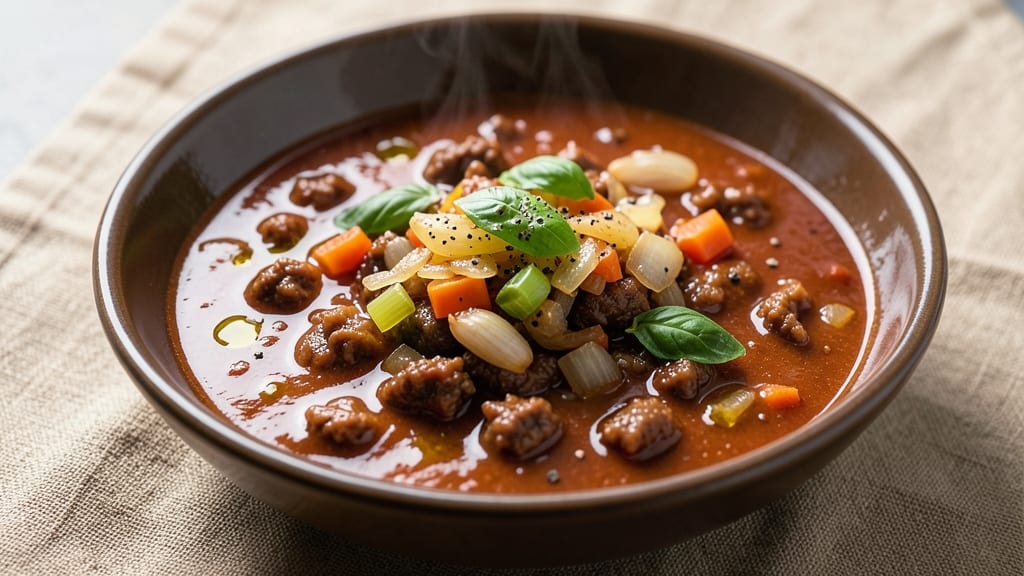
This Bolognese sauce recipe transforms simple ingredients into a rich, slow-simmered masterpiece that elevates every plate of pasta. The key lies in precise ratios—ground beef, tomatoes, and wine working together over hours to develop deep umami flavor.
I’ve perfected this version to balance heartiness with balance, ensuring each spoonful delivers that restaurant-quality taste at home.
The process is methodical but rewarding: brown the meat thoroughly, deglaze with wine, then let the sauce simmer for at least 2 hours to meld flavors. This slow cook transforms tough cuts into tender, flavorful crumbles while developing a sauce so rich it coats pasta perfectly.
The result? A sauce that’s bold yet refined, with just the right balance of acidity and depth.
What makes this recipe stand out is its versatility—use it as a lasagna filling, spoon over fettuccine, or even stuff into manicotti. The sauce freezes beautifully, too, so you can prep ahead for busy nights.
For those who prefer plant-based options, I’ll share a vegetarian adaptation that keeps all the richness without the meat.
Whether you’re feeding a family or prepping for a dinner party, this Bolognese delivers homemade comfort with professional precision. Let’s get started on creating a sauce that’ll have everyone asking for seconds.
Ingredients for bolognase sauce
Simple ingredients, slow simmer, restaurant-quality umami in every spoonful.
| Ingredient | Amount | Notes |
|---|---|---|
| Ground Beef Chuck 🥩 | 1 ½ lb | 80% lean, finely ground |
| Yellow Onion 🧅 | 1 whole | Medium, finely diced |
| Carrot 🥕 | 1 whole | Medium, finely diced |
| Celery Stalk 🥬 | 1 whole | Finely diced |
| Garlic Cloves 🧄 | 4 cloves | Minced, fresh preferred |
| Canned San Marzano Tomatoes 🍅 | 28 oz | Crushed, no salt added |
| Dry Red Wine 🍷 | ½ cup | Bold, like Cabernet Sauvignon |
| Tomato Paste 🍅 | 2 tbsp | High-quality, no sugar |
| Whole Milk 🥛 | ½ cup | Full-fat for richness |
| Extra-Virgin Olive Oil 🫒 | ¼ cup | Fruity, not bitter |
| Fresh Rosemary 🌿 | 1 tbsp | Finely chopped, stems removed |
| Fresh Thyme 🌿 | 1 tbsp | Leaves only, finely chopped |
| Kosher Salt 🧂 | 1 ½ tsp | Diamond Crystal preferred |
| Freshly Ground Black Pepper 🌶️ | ½ tsp | Coarsely cracked |
The beef is non-negotiable—ground chuck has the perfect fat-to-lean ratio for deep flavor. Grab it from the butcher counter if you can; pre-packaged works too, but look for 80% lean or less—that extra fat renders down into the sauce. The San Marzano tomatoes are worth the splurge: their natural sweetness balances the acidity perfectly. Trader Joe's carries them year-round, or grab a can at any Italian market. Fresh herbs? Penzeys or your grocery store’s produce section—just make sure the rosemary smells piney, not musty.
No red wine? Substitute beef broth with a splash of balsamic vinegar—it’ll add depth without overpowering. Out of fresh thyme? Dried works at one-third the amount, but toast it first in a dry pan for 30 seconds to wake up the flavor. The tomato paste can be swapped for extra crushed tomatoes, but you’ll lose that concentrated umami. For a vegetarian version, replace the beef with lentils or finely chopped mushrooms—they absorb the flavors beautifully. The milk adds richness; half-and-half or heavy cream work too if you’re feeling decadent.
This sauce tastes even better the next day, so make a big batch. Store it in the fridge for up to 5 days in an airtight container, or freeze for 3 months in portion-sized containers. The fat will separate when cold—just stir it back in before reheating. For lasagna, assemble and bake straight from the fridge; the slow cook will keep everything tender. Leftovers reheat beautifully on the stove with a splash of water or wine to loosen the sauce.
Why You'll Love This Recipe
- No-Fuss Prep: I swear by the "sofrito" trick—chopping onion, carrot, and celery together (no peeling!) and sautéing them until they’re almost caramelized. Five minutes of active work, and suddenly you’ve got that deep, sweet base that makes everything else taste like you spent hours.
- Deep Umami Magic: That ground chuck? It’s the star. Browned just right, it releases all its rich, meaty flavor, while the garlic—crisply toasted—adds a punch that lingers. Honestly, the first time I tasted it simmering, I paused mid-stir and thought, "This is why we cook."
- Weeknight to Dinner Party: Same sauce, endless uses. Slap it over pasta for a Tuesday night, or stretch it into lasagna for company. (Yes, even on a Tuesday night.) The leftovers? Even better the next day—if there are any, because it disappears fast.
- Budget-Friendly Powerhouse: A pound of chuck and a handful of veggies feed four hungry people for under $10. Between us, this is my go-to when I’m broke or hosting. The slow simmer turns cheap ingredients into something that feels special—no fancy labels needed.
Step-by-step instructions for slow-simmered Bolognese sauce
Here's the method that delivers deep, rich flavor—no shortcuts, just patience and technique.
Sauté the Vegetable Base
Heat the 0.25 cup extra-virgin olive oil in a heavy-bottomed Dutch oven over medium-low heat. Add the finely diced yellow onion, carrot, and celery stalk, stirring occasionally for 8-10 minutes until they soften and begin to caramelize—this builds the sauce's foundational sweetness. The vegetables should release their moisture and reduce slightly, creating a fragrant base.
Add the minced garlic cloves and cook for 30 seconds until fragrant—don't let them brown, or they'll turn bitter. Stir in the 2 tablespoons tomato paste and cook for another 2 minutes, allowing it to deepen in color. This step ensures the sauce develops its signature richness and umami depth without burning the delicate flavors.
Brown the Ground Beef
Increase the heat to medium-high and add the 1.5 lb ground beef chuck, breaking it apart with a wooden spoon. Cook for 8-10 minutes, stirring occasionally, until the beef loses its raw color and develops a deep brown crust. This browning step, called the Maillard reaction, creates complex flavors that form the backbone of the sauce.
Drain any excess fat if needed, but leave about 1 tablespoon in the pot—it adds richness. Sprinkle the beef with 1.5 teaspoons kosher salt and 0.5 teaspoon freshly ground black pepper, tossing to coat evenly. The salt enhances the meat's natural flavors while the pepper adds a subtle warmth that balances the richness.
Deglaze and Simmer with Wine and Tomatoes
Pour in the 0.5 cup dry red wine, scraping up any browned bits from the bottom of the pot with a wooden spoon. Let it simmer for 3-4 minutes until the wine reduces by half, intensifying its flavor. Add the 28 oz crushed San Marzano tomatoes, 1 tablespoon finely chopped fresh rosemary, and 1 tablespoon fresh thyme leaves, stirring to combine.
Reduce the heat to low and let the sauce simmer uncovered for 1 hour to 1 hour 15 minutes, stirring occasionally. The sauce should thicken gradually, and the liquid should reduce significantly. If it starts to stick, add 2-3 tablespoons of water to keep it moist. This slow cooking process allows the flavors to meld and develop into a cohesive, deeply flavorful sauce.
Finish with Milk for Velvety Texture
After the initial simmer, stir in the 0.5 cup whole milk and let the sauce cook for another 15-20 minutes. The milk adds a subtle creaminess that balances the acidity of the tomatoes and enhances the sauce's velvety texture. Taste and adjust the seasoning with additional salt or pepper if needed—this is where you fine-tune the balance of flavors.
The sauce is ready when it coats the back of a spoon smoothly and has thickened to a rich, meaty consistency. If you're serving it immediately, keep it warm over low heat. For best results, let it cool slightly before serving over pasta or using in other dishes. The flavors will continue to deepen as it rests.
Pro Tips For Making Bolognase Sauce
- CRUSH THE VEGETABLES: I used to chop onions, carrots, and celery into even slices—big mistake. For bolognese, aim for a fine dice (about 1/8-inch pieces) so they melt into the sauce instead of sitting as chunks. Sounds tedious, but it’s the thing that matters most for texture.
- BROWN THE MEAT FIRST: High heat. Seriously, crank it up until the chuck forms a deep crust—this isn’t the time to be gentle. Rushing here means your sauce will taste raw; take the 5 minutes to get those edges dark brown before adding anything else.
- Sweat, Don’t Sauté: After browning the meat, lower the heat and cook the onions, carrots, and celery until they’re soft but not colored. I learned this the hard way—burning them turns the sauce bitter. A splash of water or white wine helps steam them out without browning.
- Add Garlic Late: Garlic burns faster than you think, and once it’s blackened, there’s no fixing it. Toss in the minced cloves with the tomatoes—just before they start to simmer—and pull the pot off the heat for 30 seconds if they start to darken. Your future self will thank you.
Serving suggestions for bolognase sauce
Pasta Pairings
This Bolognese sauce is a match made in heaven with fettuccine or tagliatelle—the broad, flat noodles cradle every rich bite beautifully. I recommend Bronze Die pasta from De Cecco for its perfect al dente texture.
For a rustic touch, try pappardelle or rigatoni, which hold the sauce even better. Always cook pasta 1 minute less than package instructions, then toss with sauce to finish cooking in the residual heat. 🍝
Lasagna Layers
For lasagna, use no-boil lasagna noodles like Barilla to absorb the sauce without getting mushy. Layer 1 cup sauce per layer, alternating with ricotta cheese and mozzarella for creaminess.
I like adding a sprinkle of Parmigiano-Reggiano between layers for depth. Bake at 375°F for 30-35 minutes until bubbly and golden. 🧀
Stuffed Pasta
Stuff manicotti shells with a mix of ricotta, Parmigiano-Reggiano, and a pinch of nutmeg, then bake with sauce on top. For ravioli, pipe small dollops of sauce onto each piece before folding. Both options let the sauce's richness shine while adding a satisfying texture contrast. 🥟
Bread & Sides
Serve with garlic bread made from a baguette brushed with olive oil and toasted with garlic butter. For a fresh element, add a arugula salad with lemon vinaigrette—the peppery greens cut through the richness. A sprinkle of grated Pecorino Romano adds a tangy finish. 🥖
Leftovers Reinvented
Transform leftover sauce into Bolognese-stuffed mushrooms by mixing with breadcrumbs and baking. Or spread it on toasted bread with provolone for a quick open-faced sandwich. Freeze extras in silicone molds for easy portioning later. 🍄
Wine & Beer Pairings
A bold Chianti Classico or Barolo complements the sauce's richness, while a crisp Pinot Grigio balances acidity. For beer lovers, a malty amber ale like Fat Tire adds caramel notes. Avoid heavy stouts—they’ll overpower the delicate herbs. 🍷
Nutrition facts
Frequently asked questions
Why does this Bolognese sauce need such a long cooking time?
The 2+ hour simmer is key to developing deep umami flavors through the Maillard reaction and collagen breakdown in the meat. This transforms tough cuts into tender, flavorful crumbles while allowing all ingredients to meld into a cohesive, restaurant-quality sauce. Rushing this step results in a thin, one-dimensional sauce.
Can I make this sauce in a slow cooker or Instant Pot?
Yes! For a slow cooker, brown the meat first, then transfer everything and cook on low for 6-8 hours. For an Instant Pot, sauté the veggies, brown the meat, then pressure cook for 30 minutes on high. The milk should be added at the end of cooking in both methods.
What's the secret to balancing the acidity in the sauce?
The milk at the end is your flavor balancer—it softens the acidity while adding subtle creaminess. For extra depth, add a pinch of sugar (just 1/2 teaspoon) if your tomatoes taste too tart, or a splash of balsamic vinegar (1 tablespoon) for complexity.
How do I fix a Bolognese sauce that's too thin?
Simmer uncovered for 15-20 more minutes to reduce naturally. If that doesn't work, mix 1 tablespoon cornstarch with 2 tablespoons cold water, stir into the sauce, and simmer for 5 minutes until thickened. Never add flour directly—it can make the sauce grainy.
What's the best way to reheat leftover Bolognese?
Gently reheat on the stove over low heat with a splash of water or wine to prevent drying. For frozen portions, thaw in the fridge overnight, then reheat slowly. Microwaving creates a skin—always avoid it! The sauce will taste even better reheated as flavors continue developing.