
Sauces & Condiments
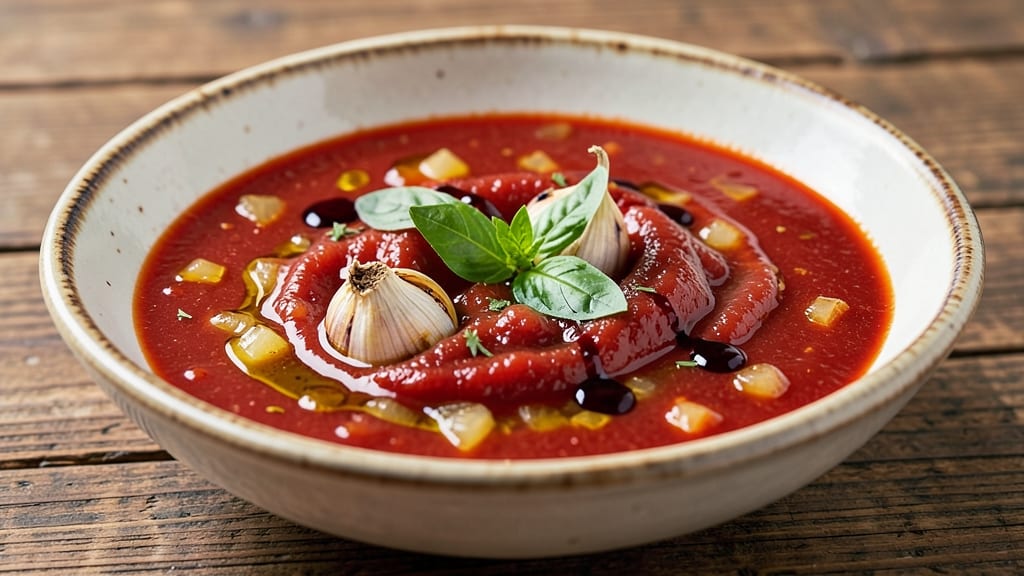
Transforming canned diced tomatoes into a rich, versatile sauce is one of those kitchen secrets that elevates every dish it touches. This pantry-friendly umami base takes just minutes to prepare and delivers restaurant-quality depth to pasta, soups, and dips alike.
I developed this recipe after realizing how often I reached for store-bought sauces—until I realized I could make something even better at home.
The beauty of this sauce lies in its simplicity and adaptability. With just a handful of ingredients—canned tomatoes, aromatics, and a touch of acid—you create a foundation that absorbs flavors beautifully.
The key is balancing sweetness and acidity, which prevents the sauce from becoming overly heavy while building complex umami notes that make it irresistible. Perfect for those nights when you need flavor fast but don’t want to sacrifice quality.
What you’ll end up with is a smooth, vibrant sauce that’s ready to use immediately or store for future meals. The texture is velvety yet bright, with just enough body to cling to noodles or coat vegetables.
This isn’t just a shortcut—it’s a game-changer for anyone who loves bold, homemade flavors without the fuss. Let’s get started on creating your new go-to pantry staple.
Once you’ve mastered the base, you can customize it with herbs, spices, or even a splash of wine for added depth. Whether you’re tossing it with pasta, using it as a soup base, or serving it as a dip, this sauce will become a staple in your cooking routine.
The best part? It keeps well in the pantry, so you’ll always have a flavorful foundation on hand.
Ingredients for canned diced tomato sauce
Pantry staples that transform into restaurant-quality sauce in minutes. Nothing fancy, just flavor.
| Ingredient | Amount | Notes |
|---|---|---|
| Canned Diced Tomatoes 🍅 | 2 cans | 28 oz each, San Marzano preferred |
| Extra-Virgin Olive Oil 🫒 | ¼ cup | High quality, fruity flavor |
| Yellow Onion 🧅 | 1 whole | Medium size, finely diced |
| Garlic Cloves 🧄 | 4 cloves | Fresh, minced |
| Tomato Paste 🍅 | 2 tbsp | Squeeze tube preferred |
| Red Wine Vinegar 🍷 | 1 tbsp | Balances sweetness |
| Dried Basil 🌿 | 1 tsp | Or 1 tbsp fresh |
| Salt 🧂 | ½ tsp | Kosher or sea salt |
| Black Pepper 🌶️ | ¼ tsp | Freshly ground |
| Sugar 🍯 | 1 tsp | Balances acidity |
San Marzano tomatoes make all the difference—they're sweeter and less acidic, so the sauce stays bright. Trader Joe's and Whole Foods carry them, but any good-quality canned tomatoes work. The tomato paste is non-negotiable for depth—Rao's squeeze tubes are perfect for this. Fresh garlic and onion are worth the extra minute to chop. I always grab extra basil (half goes in the sauce, half gets stirred in at the end for freshness). For the olive oil, use something you'd drizzle on bread—California Early Harvest is my go-to, but any fruity EVOO works.
No red wine vinegar? Balsamic vinegar at half the amount works in a pinch. Fresh basil? Dried basil at one-third the amount gets you close, but it won't be as vibrant. Short on sugar? Honey or maple syrup at the same amount balances the acidity. The tomato paste can be omitted if you're really in a hurry, but trust me on keeping it—it's what makes this sauce sing. For extra umami, add 1 tsp soy sauce or fish sauce (optional but game-changing).
This sauce keeps for up to 1 week in the fridge, or 6 months in the freezer. I double the batch and freeze half—perfect for lazy weeknights. For freezing, let it cool completely, then portion into ice cube trays. Once frozen, transfer to a bag. Reheat gently on the stove or microwave. The flavor actually improves after a day or two as everything melds together.
Why You'll Love This Recipe
- Pantry Pantry Magic: I swear by this sauce—no fresh tomatoes needed, just open a can and go. The diced texture keeps it bright and chunky, while the paste deepens the flavor without extra work.
- Garlic Bomb Simplicity: Two cloves of garlic, a splash of olive oil, and 10 minutes of sizzling—boom, you’ve got rich, aromatic depth. Honestly, the smell alone makes me want to eat it straight from the pan.
- Weeknight Swiss Army: This sauce is my secret weapon for pasta, pizza, or even scrambled eggs. Double the batch, freeze half, and you’ve got a ready-made base for anything. (Yes, even on a Tuesday night.)
- Budget-Friendly Luxury: Canned tomatoes and basic spices stretch into gallons of sauce for pennies. Between us, this is how I feed my family hearty, flavorful meals without breaking the bank—or stressing over grocery runs.
Step-by-step instructions for canned diced tomatoes sauce
This simple sauce comes together in minutes with pantry staples—rich, balanced, and perfect for any dish.
Sauté Onion and Garlic Until Soft
Heat the 0.25 cup extra-virgin olive oil in a medium saucepan over medium heat. Add the 1 whole yellow onion, finely diced, and cook for 5 minutes until translucent and just starting to caramelize at the edges. This step builds flavor—don't rush it.
Add the 4 cloves garlic cloves, minced, and cook for 30 seconds until fragrant. Watch closely—garlic burns quickly. Remove the pan from heat for a moment if it starts to darken too fast. This aromatic base is the foundation of your sauce.
Stir in Tomato Paste and Cook for Depth
Return the pan to medium heat and add the 2 tablespoons tomato paste, stirring constantly for 1-2 minutes until it darkens slightly. This step deepens the sauce's richness and balances the acidity from the tomatoes. The paste will dissolve completely into the oil.
Here's the thing—don't skip this step. The paste adds a concentrated tomato flavor that transforms this into a proper sauce, not just a warmed-up can of tomatoes. If it sticks, add a splash of water to loosen it while stirring.
Add Tomatoes, Vinegar, and Seasonings
Pour in the 2 cans canned diced tomatoes (with juices), 1 tablespoon red wine vinegar, 1 teaspoon dried basil, 0.5 teaspoon salt, 0.25 teaspoon black pepper, and 1 teaspoon sugar. Stir everything together and bring to a gentle simmer over medium-low heat. The sugar helps balance the vinegar's acidity while the basil adds herbal depth.
Let the sauce simmer uncovered for 10-15 minutes, stirring occasionally. You'll see it thicken slightly and develop a glossy sheen. This simmering time allows all the flavors to meld together beautifully. If it reduces too quickly, add a splash of water to maintain consistency.
Simmer Until Thick and Flavorful
Continue simmering for another 5-10 minutes until the sauce reaches your desired thickness. You want it to coat the back of a spoon but still be pourable. Taste and adjust seasoning—add more salt if needed, or a touch more vinegar for brightness.
The sauce should have a vibrant red color with visible tomato chunks. If you prefer a smoother texture, use an immersion blender to puree it slightly. Let it cool for 5 minutes before serving—this allows the flavors to settle and the sauce to thicken further.
Finish and Use Immediately
Give the sauce a final taste and adjust seasoning if necessary. This sauce is incredibly versatile—use it as a base for pasta, drizzle over grilled meats, or serve with crusty bread. The red wine vinegar adds a subtle tang that brightens the dish, while the tomato paste gives it depth.
For best results, use the sauce within 3-4 days when stored in an airtight container in the refrigerator. The flavors only get better as they sit, developing more complexity. This pantry-friendly sauce proves you don't need fresh ingredients to create something truly special.
Pro Tips For Making Canned Diced Tomato Sauce
- Sweat the Onion Low: I learned this the hard way—diced onions in olive oil at medium heat turn bitter before they soften. Instead, start with a low flame and a splash of water (yes, really). Cover the pot for 5 minutes, then uncover and cook uncovered until translucent. The water steams the onions gently, and you’ll taste the difference in the sauce.
- Toast the Paste First: Skip the urge to stir in tomato paste right after the onions. Instead, let it sit in the pot for 2–3 minutes on medium-low heat before adding anything else. This deepens its flavor and prevents that raw, chalky taste from creeping into your sauce—trust me, your future pasta will thank you.
- Crush Garlic with the Spoon: Minced garlic burns faster than you think, especially when you’re distracted. Instead of pre-mincing, peel the cloves and smash them flat with the side of your knife, then crush them with the back of a wooden spoon directly in the pot. The heat will slowly release their flavor without turning them bitter.
- Simmer, Don’t Boil: After adding the diced tomatoes, resist the urge to crank the heat. A gentle simmer (tiny bubbles, occasional skimming of foam) lets the flavors meld without breaking down the tomatoes into mush. I used to rush this, and the sauce always tasted thin and one-note—now it’s rich and focused.
Storing and reheating your leftovers
Refrigerator Storage
Transfer your sauce to a glass airtight container—I use Le Parfait jars with snap-on lids—once it’s cooled to room temperature. The sauce stays fresh in the fridge for up to 1 week, though I’ve found the flavors actually deepen after 2-3 days as the spices meld.
Always leave ½ inch of headspace to prevent mold growth from condensation. 🌡️
Freezer Preservation
For longer storage, divide the sauce into 1-cup portions in silicone ice cube trays—this makes single-serving reheats effortless. Once frozen solid, transfer cubes to a heavy-duty freezer bag (I use Stasher bags) and label with the date.
This sauce keeps for up to 6 months without quality loss, though I recommend using it within 3 months for peak flavor. 🧊
Thawing Techniques
To thaw frozen sauce, transfer the bag to the fridge overnight for even defrosting. For faster results, submerge the sealed bag in warm (not hot) water for 15-20 minutes, stirring occasionally. Never microwave frozen sauce directly—it creates hot spots that ruin texture. Always reheat gently on the stove. ⚡
Reheating Methods
For stovetop reheating, pour sauce into a saucepan and warm over low heat with 1-2 tablespoons water to prevent scorching. Stir frequently and simmer for 3-5 minutes until steaming.
For microwave reheating, transfer to a microwave-safe bowl and heat in 30-second intervals, stirring between each, until reaching 165°F internal temperature. Add a pinch of salt if needed—reheated sauce sometimes loses brightness. 🔥
Pantry Storage Tips
If you prefer shelf-stable storage, sterilize mason jars and fill them with hot sauce, leaving 1-inch headspace. Process in a water bath canner for 15 minutes (adjust for altitude) to seal.
These jars keep for up to 1 year in a cool, dark pantry. I always test the seal by pressing the lid—if it doesn’t pop, it’s properly sealed. 🏺
Reviving Flavor
If your reheated sauce tastes flat, revive it by adding ½ teaspoon red wine vinegar or a pinch of sugar to balance flavors. For extra depth, stir in 1 teaspoon tomato paste while reheating.
The sauce’s acidity often mellows after storage, so a splash of lemon juice can restore brightness. Fresh basil or oregano at the end also makes a world of difference. ✨
Nutrition facts
Frequently asked questions
Can I use this sauce as a marinade for meats?
This tomato sauce makes an excellent marinade for chicken, pork, or beef. Simmer it with 1 tablespoon olive oil and 1 teaspoon smoked paprika for 5 minutes to deepen the flavor. Use it immediately or store in the fridge for up to 3 days. The acidity helps tenderize while the herbs infuse the meat with rich tomato notes.
Why does my sauce taste too acidic?
If your sauce tastes overly sharp, it’s likely from too much vinegar or underripe tomatoes. Balance it by adding ½ teaspoon sugar or 1 teaspoon honey while reheating. For a quicker fix, stir in 1 tablespoon tomato paste—it adds sweetness and depth. Always taste as you go to adjust seasoning.
Can I make this sauce without tomato paste?
Yes, but the flavor will be less concentrated. Skip the paste and add an extra ½ cup crushed tomatoes (or 1 extra can) to compensate. Simmer longer (20-25 minutes) to reduce the liquid and intensify the flavor. The sauce will be lighter but still delicious—just less umami-rich.
How can I adjust this for a vegetarian pasta sauce?
This sauce is already vegetarian-friendly, but you can enhance it with 1 teaspoon nutritional yeast for a cheesy note or ½ teaspoon red pepper flakes for heat. For extra creaminess, stir in 2 tablespoons coconut milk at the end. It pairs perfectly with whole wheat pasta or lentils for a hearty meal.
What’s the best way to thicken this sauce if it’s too watery?
Simmer uncovered for 10-15 extra minutes to reduce the liquid naturally. If it’s still thin, mix 1 teaspoon cornstarch with 1 tablespoon water, stir into the sauce, and cook for 2-3 minutes** until thickened. Avoid over-stirring to prevent lumps. For a smoother texture, blend with an immersion blender.