Sauces & Condiments
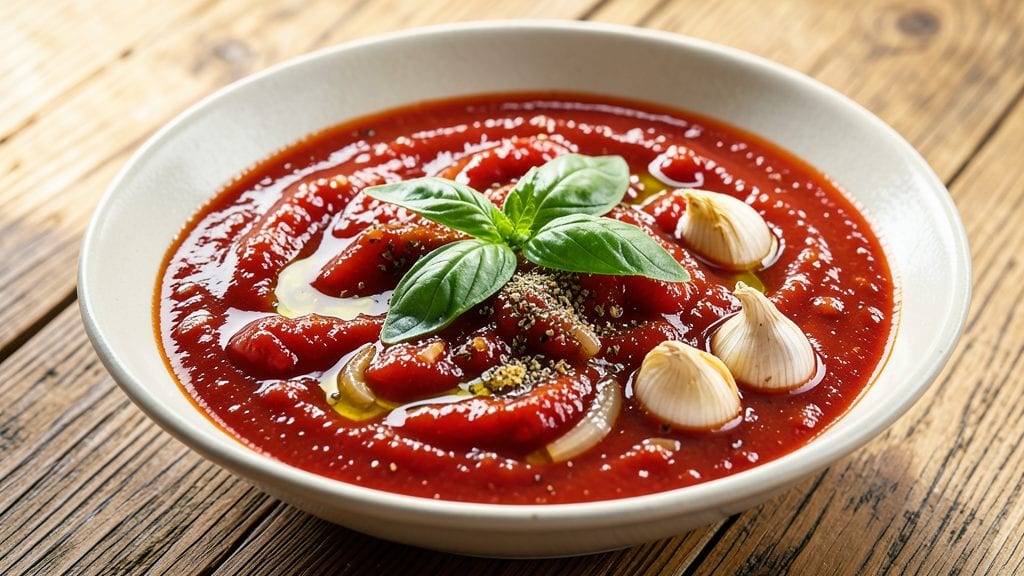
Creating a perfect canned Roma tomato sauce from scratch transforms simple pantry staples into a velvety, deeply flavorful base for everything from pasta to braised meats. The secret lies in simmering high-quality canned tomatoes with aromatics until their natural sweetness concentrates into a rich, balanced sauce—no expensive ingredients required.
I’ve perfected this method over years of testing, ensuring it delivers restaurant-quality depth without the fuss of fresh tomatoes.
This sauce builds on a simple foundation: canned Roma tomatoes (their meaty texture holds up beautifully), garlic, onion, and a touch of olive oil to develop flavor through slow cooking. Optional herbs like basil or oregano add brightness, while a pinch of sugar or salt balances acidity.
The process is straightforward—simmer, reduce, and blend—but the result is a versatile sauce that elevates any dish.
What you’ll end up with is a smooth, concentrated sauce with a deep tomato flavor and just the right balance of sweetness and acidity. It’s perfect for freezing or canning, so you’ll always have a pantry staple ready to transform into marinara, braising liquid, or a quick pasta sauce.
The best part? It tastes even better the next day as flavors meld.
Use it as a base for your favorite recipes or enjoy it straight from the jar with crusty bread. Here’s how to make it—foolproof and ready to become your kitchen essential.
Ingredients for canned roma tomato sauce
Nine simple pantry staples turn into restaurant-quality tomato sauce that’ll save you from jarred mediocrity.
| Ingredient | Amount | Notes |
|---|---|---|
| Canned Roma Tomatoes 🍅 | 28 oz | San Marzano preferred, crushed by hand |
| Yellow Onion 🧅 | 1 whole | Medium size, finely chopped |
| Garlic Cloves 🧄 | 4 cloves | Freshly minced, not pre-minced jar |
| Extra-Virgin Olive Oil 🫒 | ¼ cup | High quality, fruity flavor |
| Dried Basil 🌿 | 1 tbsp | Or 2 tbsp fresh basil leaves |
| Dried Oregano 🍃 | 1 tsp | Italian or Mediterranean blend |
| Granulated Sugar 🍚 | 1 tbsp | Balances acidity, optional |
| Kosher Salt 🧂 | 1 ½ tsp | Adjust to taste, don't skip |
| Red Wine Vinegar 🍷 | 1 tbsp | Brightens flavor, optional |
| Freshly Ground Black Pepper 🌶️ | ½ tsp | Freshly cracked for best flavor |
The tomatoes make or break this—San Marzano is the gold standard, but any high-quality canned Roma will work. Grab a few extra cans while you're at it; you'll want them on hand. Trader Joe's and Whole Foods carry great options, but the store brand at Walmart or Kroger is fine too. Just check the expiration date—older cans mean duller flavor. Crush them by hand for better texture, and don't drain the juices (that's flavor gold right there). The onion and garlic are your flavor anchors—sweat them in olive oil until soft, not browned, or you'll get bitterness. I always double-check my garlic is fresh by smelling it—it should smell sweet, not stale.
No San Marzano? Any good-quality canned tomatoes work—just pick ones without added salt or preservatives. Running out of dried basil? Fresh works at double the amount, but toss in a pinch of red pepper flakes for heat if you're feeling adventurous. The sugar and vinegar are totally optional, but they're my secret weapons for balancing the sauce's acidity. Skip the sugar if you prefer tart, but add the vinegar if your tomatoes taste bland. For extra depth, a splash of red wine (about 2 tbsp) adds complexity without overpowering. And if you're short on time, a quick blender pulse gives you that smooth texture without hours of simmering—just don't over-blend or it'll turn into tomato soup.
This sauce gets better with time—let it sit overnight if you can, the flavors meld into something magical. Store it in the fridge for up to 1 week or freeze in ice cube trays for 6 months (perfect for portion control!). I always make a double batch—one jar for the fridge, one frozen for lazy nights. For canning, follow USDA guidelines (pH test kit required), but honestly, freezing is foolproof. The sauce thickens as it cools, so don't stress if it looks too thin right after cooking. A quick simmer with a cornstarch slurry fixes that instantly if needed. And if you're feeling fancy, finish with a swirl of extra-virgin olive oil before serving—trust me, it's worth it.
Why You'll Love This Recipe
- Pantry Powerhouse: I swear by this sauce because it’s all from the pantry—no fresh tomatoes to chop, no peeling, just open a can and go. The Roma tomatoes? They’re meaty and sweet, so you don’t even miss the fresh ones.
- Savory Simplicity: That first hit of garlic and olive oil sizzling in the pan? Chef’s kiss. The dried basil deepens as it cooks, giving you a rich, herby depth without any fuss. (Yes, even on a Tuesday night.)
- Weeknight to Potluck: This sauce works for everything—slather it on toast, toss it with pasta, or use it as a base for meatballs. I’ve even brought it to holiday dinners in jars; it’s the one dish everyone asks for seconds of.
- Budget-Friendly Magic: A single can of tomatoes and a few pantry staples stretch to feed four for dinner and save for tomorrow’s lunch. Honestly, it’s the kind of recipe that makes grocery day feel like a win.
Step-by-step instructions for canned Roma tomato sauce
This sauce delivers restaurant-quality depth using just pantry staples—simple steps for incredible flavor.
Sauté Onion and Garlic in Olive Oil
Heat the 0.25 cup extra-virgin olive oil in a large saucepan over medium heat. Add the 1 whole yellow onion, finely chopped, and cook for 5-6 minutes until softened and translucent. You'll know it's ready when the onion releases its sweet aroma and the edges begin to lightly brown.
Lower the heat to medium-low and add the 4 cloves garlic cloves, freshly minced. Cook for just 30 seconds until fragrant—garlic burns quickly, so don't walk away. The mixture should smell like a warm Italian kitchen, with that unmistakable aroma of caramelized onion and garlic.
Add Tomatoes and Simmer
Pour in the 28 oz canned Roma tomatoes, crushing them by hand with your fingers or a wooden spoon. This helps break down the tomatoes and releases their juices. Stir well to combine with the onion and garlic, then bring the mixture to a gentle boil over medium-high heat.
Once boiling, reduce the heat to low and let it simmer uncovered for 20-25 minutes. You're looking for a thickened sauce that coats the back of a spoon. Stir occasionally to prevent sticking, and watch for any foam that rises to the surface—skimming it off occasionally keeps the sauce clean.
Season and Balance Flavors
Add the 1 tbsp dried basil, 1 tsp dried oregano, 1 tbsp granulated sugar, 1.5 tsp kosher salt, 1 tbsp red wine vinegar, and 0.5 tsp freshly ground black pepper. Stir everything together and taste the sauce. The sugar balances the acidity, the vinegar brightens the tomatoes, and the herbs add depth. If it needs more salt, add it gradually—you can always adjust later.
Simmer uncovered for another 10-15 minutes to let the flavors meld. The sauce should be thick, glossy, and rich—almost like a velvety blanket. If it's too thin, simmer longer to reduce it further. The sugar will caramelize slightly, adding a subtle sweetness that rounds out the acidity of the tomatoes.
Finish and Serve
Remove the sauce from heat and let it sit for 5 minutes to thicken slightly. Taste again and adjust the seasoning if needed—this is your chance to perfect the balance. The sauce should be bright, flavorful, and just slightly tangy, with a deep, aromatic complexity.
Serve immediately over pasta, drizzled with a little extra olive oil, or use it as a base for your favorite Italian dishes. This sauce keeps well in the refrigerator for up to 5 days or can be frozen for 3 months, making it the ultimate pantry-friendly solution for quick, delicious meals.
Pro Tips For Making Canned Roma Tomato Sauce
- CRUSH THE ONIONS: Pulse them in the food processor until they’re almost paste—just a few tiny chunks left. I used to chop them finely, but this dissolves into the sauce smoothly without any texture surprises. (Yes, even if you’re impatient like me, resist the urge to go full purée.)
- SWEAT THE GARLIC LOW: After adding minced garlic, turn the heat down to medium-low the second it hits the pan. I learned this the hard way—burnt garlic tastes like regret, and it’s impossible to salvage. Let it mellow for 2-3 minutes until fragrant but still pale.
- DRAIN AND RINSE TOMATOES: Pour canned tomatoes through a colander to remove excess liquid, then give them a quick rinse under cold water. This cuts down on cooking time (no waiting for water to evaporate) and keeps the sauce from tasting canned. (Your future self will thank you.)
- SALT IN LAYERS: Add half the salt when you start cooking the onions, then taste again after 15 minutes. Canned tomatoes vary wildly in saltiness, and this lets you adjust without overdoing it. Skip this, and you’ll end up with a bland sauce or one that needs a whole extra pinch at the end.
Make-ahead tips for this canned roma tomato sauce
Batch Prep Basics
Double or triple the recipe to make a large batch—this sauce freezes beautifully and saves time. I always prepare four 16-ounce jars at once using 56 oz canned tomatoes (two 28-oz cans). Divide the sauce evenly between jars or freezer-safe containers before cooling completely to prevent condensation buildup.
Label each container with the date and store in the freezer for up to 6 months. 🧊
Freezer-Friendly Tips
Use ice cube trays for single-serving portions—just pour the sauce into the trays, cover with parchment paper, and freeze. Once solid, transfer the cubes to a ziplock bag or airtight container.
These portions thaw in 10 minutes in the microwave or 30 minutes in warm water, perfect for quick pasta nights. For larger batches, leave 1-inch headspace in containers to prevent expansion cracks during freezing. 💡
Thawing and Reheating
Thaw frozen sauce in the fridge overnight for the best texture, or use the microwave on 50% power for 2-3 minutes, stirring once. For stovetop reheating, transfer the sauce to a saucepan and warm over low heat, stirring occasionally, until heated through (165°F internal temp).
If the sauce thickens too much, add 1-2 tbsp water or broth to restore consistency. Never reheat directly from frozen on high heat—this can make the sauce grainy. ✨
Pantry Storage Hacks
Store homemade sauce in the fridge for up to 5 days in an airtight glass jar. For longer storage, transfer to a vacuum-sealed bag to extend freshness to 3 months. I keep a jar in my fridge at all times—it’s my go-to for last-minute pasta or braising liquids.
If the sauce separates, simply stir vigorously or give it a quick 10-second blend before reheating. 🥫
Flavor Boost After Freezing
Frozen sauce often loses some brightness, so I add a splash of red wine vinegar or a pinch of sugar when reheating to restore balance. For extra depth, stir in 1 tsp fresh basil or a dash of balsamic glaze while warm.
The sauce will taste almost as good as fresh—just don’t expect the exact same vibrancy as day-one. This trick works especially well for slow-cooked dishes like lasagna or meatballs. 💛
Canning for Long-Term Use
If you prefer canning over freezing, process the sauce in a water bath for 85 minutes using pint-sized jars. Ensure the pH is below 4.6 (use a pH meter or USDA-approved test kit) to prevent botulism.
Store sealed jars in a cool, dark pantry for up to 12 months. I’ve canned this sauce for Christmas gifts—just attach a handwritten recipe card for a personal touch. Always check seals before storing! ❄️
Nutrition facts
Frequently asked questions
Can I use diced tomatoes instead of crushed?
Yes, but crushing by hand releases more flavorful juices and creates a smoother texture. If using diced, simmer 5-10 extra minutes to break down the pieces further. For a quick fix, pulse in a blender for 10 seconds before simmering. The key is achieving that velvety consistency that makes this sauce so versatile.
How do I fix a sauce that's too acidic?
Add a pinch of sugar or a splash of red wine vinegar to balance the acidity. For extra depth, stir in 1 tsp honey or 1/2 tsp balsamic glaze while warm. Simmer for 2-3 minutes to let flavors meld. If the sauce tastes bland after adjusting, a pinch of salt or a fresh basil leaf can revive it.
Can I make this sauce in a slow cooker?
Sauté the onion and garlic first, then add all ingredients to the slow cooker. Cook on low for 4-5 hours or high for 2-3 hours, stirring occasionally. The slow cooker enhances the sauce's depth as flavors meld over time. For a thicker result, simmer uncovered for 10 extra minutes after removing from the cooker.
Why did my sauce turn out watery?
Watery sauce usually means it didn't simmer long enough. Return it to the stove and cook uncovered on low heat for 15-20 minutes, stirring occasionally. For a quicker fix, mix 1 tbsp cornstarch with 2 tbsp water, stir into the sauce, and simmer for 2-3 minutes. Skim off any foam that forms during simmering to prevent excess liquid.
What are the best uses for this sauce?
This versatile sauce works as a base for pasta, pizza, braised meats, or even dipping. Use it in place of jarred marinara for lasagna, ravioli, or meatball subs. Thin with broth for a quick soup, or serve with crusty bread as a condiment. The concentrated flavor makes it perfect for slow-cooked dishes like shredded chicken or beef stew.