Sauces & Condiments
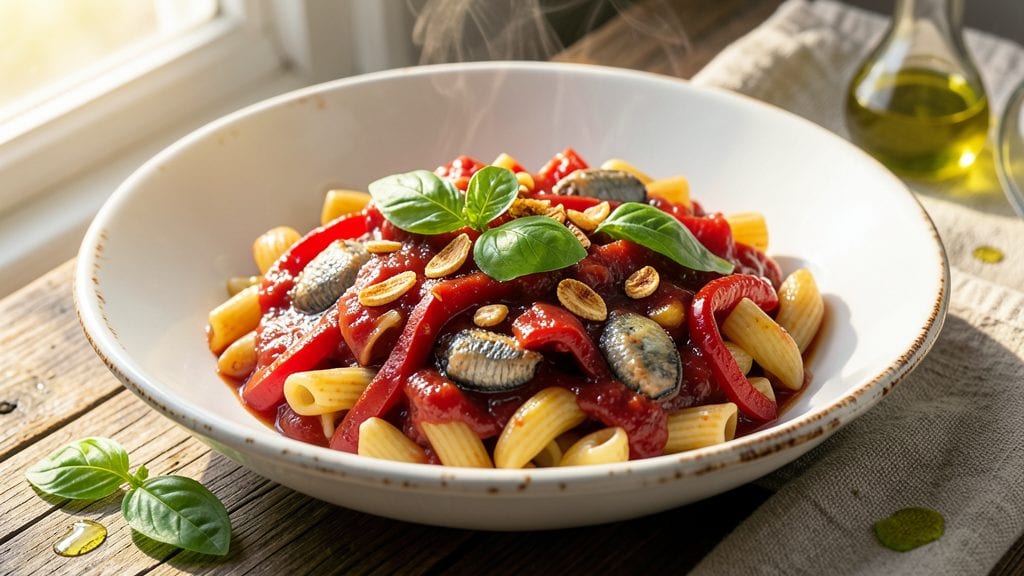
This canned sardines in tomato sauce pasta recipe transforms humble pantry staples into a restaurant-worthy dish in just 20 minutes. The secret lies in how the sardines' rich umami melts into the tomato sauce, creating a deeply flavorful base that coats every strand of pasta.
I developed this one-pan meal during a busy week when I needed protein-packed dinner without complicated prep—it delivers every time.
The beauty of this recipe is its simplicity: no fancy ingredients, no advanced techniques, just bold flavors that come together effortlessly. The sardines provide essential omega-3s while dissolving into the sauce, while the tomato base adds natural sweetness that balances perfectly.
The result is a dish that's equally satisfying as a weeknight supper or a special occasion meal—just with fewer dishes to clean.
What you'll end up with is al dente pasta tossed in a velvety tomato-sardine sauce that clings beautifully, creating a dish that's rich, savory, and impossible to resist. The sardines' texture softens just enough to blend seamlessly, while the sauce maintains its vibrant color and depth.
This is the kind of meal that proves pantry cooking can be just as impressive as gourmet.
Perfect for pescatarians, budget-conscious cooks, or anyone craving a quick yet satisfying dinner. The recipe scales easily for leftovers or feeding a crowd, making it versatile enough for any occasion. Let's get cooking—this pasta comes together faster than you can boil water.
Ingredients for canned sardines in tomato sauce pasta
Pantry staples and fresh aromatics transform into restaurant-quality pasta in minutes.
| Ingredient | Amount | Notes |
|---|---|---|
| Ditalini Pasta 🍝 | 8 oz | Al dente cooking essential |
| Canned Sardines in Tomato Sauce 🐟 | 2 cans | High-quality, no added salt |
| Extra-Virgin Olive Oil 🫒 | ¼ cup | Fruity, cold-pressed preferred |
| Garlic Cloves 🧄 | 3 cloves | Freshly minced, aromatic |
| Red Bell Pepper 🌶️ | ½ cup | Diced, fresh or jarred |
| Fresh Basil Leaves 🌿 | ¼ cup | Chopped, vibrant green |
| Diamond Crystal Kosher Salt 🧂 | 1 tsp | Fine grain for seasoning |
| Freshly Ground Black Pepper 🌶️ | ½ tsp | Cracked peppercorns preferred |
| Red Wine Vinegar 🍷 | 1 tbsp | Bright acidity balance |
| Freshly Grated Parmesan Cheese 🧀 | ¼ cup | Parmigiano-Reggiano preferred |
| Dried Oregano 🍃 | ½ tsp | Mediterranean variety |
| Crushed Red Pepper Flakes 🔥 | ¼ tsp | Adjust for heat preference |
| Fresh Lemon Juice 🍋 | 1 tbsp | Brightens final flavor |
The sardines form the umami backbone of this dish, so opt for high-quality brands like Wild Planet or Vital Choice—avoid those with added salt or preservatives. The tomato sauce in the cans is already concentrated, but San Marzano tomatoes elevate it further if you're using fresh. Fresh basil and red bell pepper add vibrant color and brightness, balancing the sardines' richness. For the pasta, ditalini or penne work best—their shape holds the sauce beautifully. If you can't find fresh basil, dried oregano at one-third the amount works in a pinch, though fresh is ideal for that signature aroma. The olive oil should be extra-virgin with fruity notes—none of that cheap cooking oil nonsense.
No fresh garlic? Garlic powder at half the amount suffices, though fresh is preferred for depth. Substitute the red bell pepper with sun-dried tomatoes (oil-packed) at the same quantity for a different but equally rich flavor. If you're avoiding wine vinegar, lemon juice works in equal measure, though the acidity will be slightly milder. For a vegetarian twist, replace the sardines with extra-firm tofu (pressed and cubed) or white beans (drained and rinsed), though the umami will be less concentrated. The crushed red pepper flakes can be omitted entirely if you prefer no heat, but they add a subtle kick that complements the sardines beautifully. Always taste the sauce before tossing with pasta—adjust salt or acidity as needed.
Store any leftover sauce in an airtight container for up to 5 days in the refrigerator, though it's best enjoyed fresh. The pasta reheats well, but the sauce may thicken—simply stir in a splash of water or pasta water to restore its velvety texture. For meal prep, cook the pasta al dente, toss it with a light drizzle of olive oil to prevent sticking, then refrigerate. Reheat portions in the sauce separately to avoid a mushy texture. Freeze the sauce (without pasta) for up to 3 months—it reheats beautifully and makes an excellent base for future meals. The Parmesan keeps best in the freezer, grated fresh when ready to use.
Why You'll Love This Recipe
- Pantry-to-Table Magic: The sardines come pre-cooked in that rich tomato sauce, so I’m basically assembling a meal—no chopping, no waiting. Toss in ditalini, a splash of olive oil, and a quick sauté of garlic and bell pepper, and boom: dinner’s ready.
- Umami Bomb Combo: That salty, briny sardine flavor? It cuts through the acidity of the tomato sauce like a knife. Add a crispy roasted red pepper (or fresh, if you’re feeling fancy) and a clove of garlic, and you’ve got a punch of flavor that sticks with you.
- Lunchbox Hero: Between us, this is my go-to for meal prep. The leftovers keep perfectly for days—just reheat and serve. Honestly, I’ve packed this in my kids’ lunches (yes, even on a Tuesday) and they’ve never complained once.
- Budget-Friendly Powerhouse: Ditalini and canned sardines are cheap, but they feel like a splurge. I’ll be real: this recipe saves me money without sacrificing taste. Plus, the olive oil and garlic make it feel special, even when I’m cooking on a tight budget.
Step-by-step instructions for canned sardines in tomato sauce pasta
This umami-rich pasta comes together in minutes with minimal effort.
Cook the Ditalini Pasta to Al Dente Perfection
Bring a large pot of water to a rolling boil and add the 8 oz ditalini pasta. Stir immediately to prevent sticking. Cook for 10-12 minutes until the pasta is al dente—you should be able to pierce it with a fork but still feel a slight resistance. Reserve 1 cup of pasta water before draining, as this starchy liquid will help emulsify the sauce later.
While the pasta cooks, I like to keep a small bowl nearby to catch any overflow from the boiling water. This prevents a messy stove and makes the cooking process cleaner. The pasta should float to the surface when it's nearly done, signaling it's time to taste test.
Sauté Garlic and Bell Pepper in Olive Oil
In a large skillet, heat the 0.25 cup extra-virgin olive oil over medium heat. Add the 3 minced garlic cloves and 0.5 cup diced red bell pepper, cooking for 3-4 minutes until the garlic becomes fragrant and the bell pepper softens slightly. The garlic should turn golden without browning—this ensures sweetness rather than bitterness.
I stir frequently during this step to prevent the garlic from burning, which would overpower the delicate flavors of the sardines. The bell pepper should release its juices and begin to soften, creating a sweet contrast to the umami-rich sardines. This aromatic base forms the flavor foundation for the entire dish.
Incorporate the Canned Sardines and Seasonings
Add the 2 cans canned sardines in tomato sauce, breaking them into smaller pieces with a fork. Stir in the 1 tsp diamond crystal kosher salt, 0.5 tsp freshly ground black pepper, 0.5 tsp dried oregano, and 0.25 tsp crushed red pepper flakes. Simmer for 2-3 minutes until the sauce begins to thicken slightly and the flavors meld together.
The sardines will release their rich, briny essence into the sauce, creating a deep umami flavor that pairs perfectly with the tomato base. Here's where the dish transforms from simple ingredients to something extraordinary. The crushed red pepper flakes add a subtle heat that balances the richness of the sardines.
Finish with Acid and Fresh Herbs
Add the drained ditalini pasta to the skillet and toss to coat evenly in the sauce. Stir in the 1 tbsp red wine vinegar and 1 tbsp fresh lemon juice, which brightens the dish and cuts through the richness. Cook for an additional 1-2 minutes until everything is well combined and heated through.
Remove the skillet from heat and fold in the 0.25 cup chopped fresh basil leaves and 0.25 cup freshly grated parmesan cheese. The basil adds a vibrant freshness that contrasts beautifully with the umami depth of the sardines. The parmesan melts slightly into the sauce, creating a creamy finish that ties everything together.
Serve Immediately with Crispy Bread
Taste and adjust seasoning if needed, adding a splash of pasta water if the sauce is too thick. Serve immediately while hot, garnished with additional freshly grated parmesan cheese and a sprinkle of freshly ground black pepper. The dish should be vibrant, with a perfect balance of salty, tangy, and umami flavors.
This pasta comes together in less than 20 minutes but feels like a restaurant-quality meal. The key is in the layering of flavors—the rich sardines, the bright acidity of the vinegar and lemon, and the fresh herbs that elevate everything. Pair it with crusty bread to soak up every last bit of that delicious sauce.
Pro Tips For Making Canned Sardines In Tomato Sauce Pasta
- Cook the garlic fast: Slice those cloves thin—paper-thin—and hit them with a splash of cold water right before tossing into the oil. They’ll soften in 30 seconds instead of burning while you’re stirring the sardines and peppers. I used to let them sit too long, and suddenly the whole dish tasted bitter.
- Drain, but don’t rinse: Those canned sardines come packed in their own sauce—don’t strip them of it. Just drain them over the pot (or a colander) and let the oil and bits slide right into your pan. Rinsing them feels cleaner, but you’ll lose half the flavor.
- Toss pasta with sauce: Reserve a splash of pasta water, but don’t drown the ditalini in sauce right off the bat. Toss them with a little olive oil first so they coat evenly, then fold in the sardine sauce. This keeps the pasta from turning mushy when you add the wet ingredients later.
- Roast the bell pepper: Skip the raw chopping—char that red bell pepper under the broiler for 5 minutes first. The smoky flavor cuts through the saltiness of the sardines, and it softens faster than you’d think. Just watch it like a hawk; I’ve seen good peppers turn to ash in seconds.
Storing and reheating your canned sardines in tomato sauce pasta
Refrigerator Storage
Store any leftover sardine tomato sauce in an airtight glass container for up to 5 days—the flavors actually deepen as the sardines' umami melds with the tomatoes. I always let it cool completely before refrigerating to prevent condensation.
The sauce thickens slightly when cold, so stir in 1-2 tablespoons of water when reheating for that silky texture. 🌱
Freezer Prep
For long-term storage, freeze the sauce (without pasta) in silicone ice cube trays—each cube makes a perfect single-serving base for future meals. Transfer to a freezer-safe bag and flatten to save space.
Thaw overnight in the fridge before reheating. The sardines hold their texture beautifully, so you won't lose that rich umami punch. ❄️
Pasta Reheating
Reheat pasta separately from the sauce to avoid mushiness. Toss cooked pasta with 1 teaspoon olive oil and reheat in a dry skillet over medium heat for 2-3 minutes.
Warm the sauce on its own, then combine just before serving. This keeps the al dente texture intact while reviving the sauce's vibrancy. 🔥
Leftovers Hack
Transform leftover sardine pasta into a frittata the next day! Whisk 2 eggs with 2 tablespoons milk, pour over the cold pasta in an oven-safe skillet, and bake at 350°F for 15-20 minutes until set. Top with extra parmesan—it's like a lazy weekend brunch. 💡
Sauce Boost
Revive flat-tasting reheated sauce by adding 1 teaspoon red wine vinegar and 1 tablespoon lemon juice while warming. The acidity cuts through any staleness and brightens the flavors instantly. Finish with fresh basil if you have any—it makes all the difference. 🌿
Portion Control
Divide leftovers into single-serving containers before storing to prevent overcooking when reheating. Microwave portions covered for 45-60 seconds, then stir vigorously to redistribute the sauce evenly. This ensures every bite tastes fresh, not soggy. ✨
Nutrition facts
Frequently asked questions
Can I use oil-packed sardines instead of tomato sauce-packed?
Yes, but you'll need to add 1/2 cup tomato sauce separately to maintain the dish's signature flavor. Oil-packed sardines work well—they're just less convenient since you won't get the pre-made tomato base. The texture will be slightly different but still delicious when combined with the other ingredients.
Why does my sauce get watery when reheating?
This happens when the sauce separates from the pasta or when you add too much pasta water. Always reheat the sauce separately, then toss with pasta at the end. If it's too thin, simmer uncovered for 1-2 minutes to reduce it. The sardines' natural oils help thicken the sauce naturally when properly combined.
What's the best pasta shape for this recipe?
Ditalini or penne work perfectly—their tubular shapes trap the sardine-tomato sauce beautifully. Short pasta like orzo also works well, but avoid long strands like spaghetti which can't hold the sauce as effectively. The key is choosing a shape with ridges or holes to maximize flavor absorption.
Can I make this dish ahead of time?
Cook the pasta, then store it separately from the sauce in the refrigerator for up to 2 days. Reheat the pasta separately (with olive oil) and warm the sauce on its own. The flavors actually improve overnight as the sardines' umami deepens. Just avoid freezing the pasta with sauce to prevent mushiness.
How do I make this vegetarian?
Replace the sardines with 1 can white beans (drained and rinsed) or 1 cup marinated artichoke hearts (chopped). Add 1/2 teaspoon nutritional yeast for umami depth since you're losing the sardines' natural flavor. The tomato sauce will still be rich, but the texture will be slightly different without the fish.