Sauces & Condiments
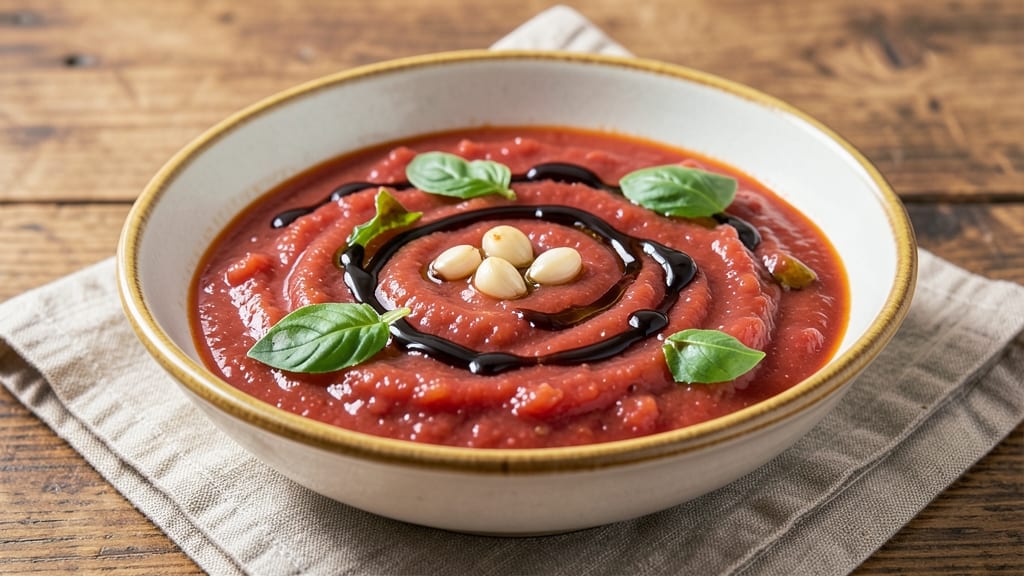
This Carrabba's pomodoro sauce recipe delivers the same restaurant-quality depth you crave at home, with its slow-simmered tomatoes, aromatic garlic, and fresh basil. The secret lies in letting the sauce develop over time—no rushed shortcuts here.
I've spent years perfecting this technique, and the difference between homemade and store-bought is night and day.
What makes this sauce truly special is its balance of acidity and sweetness, achieved through crushed tomatoes and a touch of balsamic vinegar. The key steps—sautéing garlic until fragrant, simmering low and slow, and finishing with fresh basil—create layers of flavor that transform simple pasta into a gourmet meal.
This isn't just a sauce; it's a flavor foundation that elevates everything it touches.
The result is a velvety, rich sauce with just the right amount of tang and herbaceousness, perfect for tossing with al dente pasta or using as a dipping sauce for crusty bread.
It keeps well in the refrigerator for up to a week or freezes beautifully for future meals. Here's how to make it.
Whether you're serving it over spaghetti, drizzling it on grilled chicken, or using it as a marinade, this pomodoro sauce will become a staple in your kitchen. The process is straightforward, but the flavor payoff is extraordinary—just like Carrabba's, but better.
Ingredients for carrabba's pomodoro sauce
Nine simple ingredients for restaurant-quality pomodoro that beats the jarred stuff every time.
| Ingredient | Amount | Notes |
|---|---|---|
| Extra-Virgin Olive Oil 🫒 | ½ cup | High quality, fruity preferred |
| Garlic Cloves 🧄 | 6 whole | Peeled, minced for fragrance |
| Crushed Tomatoes 🍅 | 28 oz | San Marzano if available |
| Balsamic Vinegar 🍷 | 1 tbsp | Aged 25 years or more |
| Fresh Basil Leaves 🌿 | ½ cup | Packed, stems removed |
| Salt 🧂 | 1 tsp | Diamond Crystal preferred |
| Black Pepper 🌶️ | ½ tsp | Freshly ground preferred |
| Red Pepper Flakes 🔥 | ¼ tsp | Optional for heat |
| Dried Oregano 🍃 | ½ tsp | Mexican oregano if available |
| Sugar 🍬 | ½ tsp | Balances acidity |
The tomatoes are non-negotiable—San Marzano has that perfect balance of sweetness and acidity, but any quality crushed tomatoes work. Whole Foods or Trader Joe's carry great options, or grab a 28-oz can at your regular grocery store. The garlic needs to be fresh—no pre-minced jars here. Slice those cloves thin so they infuse flavor without bitterness. For the olive oil, look for extra-virgin with a fruity note—it makes a huge difference in the final sauce. I always grab a small bottle of Californian or Italian oil from the store's olive oil section.
No San Marzano? Any good-quality crushed tomatoes will work—just check the label for no added salt or sugar. Running low on balsamic? Substitute 1 tsp of red wine vinegar for the same tang. Fresh basil is ideal, but dried oregano at half the amount gets you close in a pinch. The red pepper flakes are optional but add that subtle heat Carrabba's sauce has. If you're avoiding sugar, skip it entirely—the tomatoes should have enough natural sweetness. For the salt, Diamond Crystal dissolves better than table salt, but kosher works too.
This sauce tastes even better the next day as flavors meld. Store in an airtight container in the fridge for up to 1 week, or freeze for 6 months in ice cube trays for single servings. The balsamic vinegar and olive oil keep indefinitely, but fresh basil and garlic should be used within 5 days of opening. I always double the batch—half goes on pasta, half gets frozen for lazy weeknights.
Why You'll Love This Recipe
- No-Chop Needed: I swear by this—just crush the garlic with the side of your knife (no mincing required) and toss it straight into the oil. The crushed tomatoes handle all the work, so you’re basically simmering while you scroll through your phone.
- Umami Bomb: That balsamic vinegar reduction? It’s the secret weapon—deep, tangy, and just sweet enough to balance the bright acidity of the tomatoes. One taste and you’ll understand why this sauce sticks around for weeks.
- Pasta Party Ready: Slap it on spaghetti for a weeknight, drizzle it over grilled chicken, or use it as a marinade for steak. The basil’s freshness cuts through everything, making it my go-to for any meal that needs a little je ne sais quoi.
- Budget Magic: A 28-ounce can of tomatoes and a handful of basil stretch to feed four for dinner and leftovers for lunch. Honestly, I’ve made this sauce last a full week in my fridge—no waste, all flavor.
Step-by-step instructions for Carrabba's pomodoro sauce
Here's how to recreate that restaurant-quality pomodoro with rich tomato flavor and aromatic garlic.
Sauté the Garlic in Olive Oil
Heat the 0.5 cup extra-virgin olive oil in a large saucepan over medium-low heat. Add the 6 whole minced garlic cloves and cook for 2-3 minutes until they become golden and fragrant. Be careful not to let them brown—this creates bitterness rather than sweetness. You'll know it's ready when the kitchen fills with that irresistible garlic aroma.
I like to stir constantly during this step to ensure even cooking. If the garlic starts to darken too quickly, reduce the heat slightly. This gentle cooking develops the garlic's natural sweetness without overpowering the delicate tomato flavor that's coming next.
Add Tomatoes and Initial Seasonings
Pour in the 28 oz crushed tomatoes, stirring to combine with the garlic and oil. Add the 1 tablespoon balsamic vinegar, 0.5 teaspoon sugar, and 1 teaspoon salt. Bring the mixture to a gentle boil, then immediately reduce the heat to low. This sauce needs time to develop its depth, so patience is key.
The sugar helps balance the acidity of the tomatoes while the balsamic vinegar adds complexity. Let the sauce simmer uncovered for 15 minutes, stirring occasionally. You'll notice the mixture thicken slightly and the raw tomato flavor mellow into something more sophisticated.
Build Flavor with Oregano and Pepper
After 15 minutes, add the 0.5 teaspoon dried oregano and 0.5 teaspoon black pepper. Stir well to distribute these seasonings evenly throughout the sauce. The oregano brings that classic Italian herbal note while the pepper adds subtle warmth. Let the sauce continue simmering for another 10 minutes at this stage.
This is where the magic happens. The oregano and pepper meld with the tomatoes, creating a harmonious blend of flavors. I like to taste the sauce at this point to check the seasoning balance. If it needs more salt, add it gradually—you can always adjust, but you can't remove excess salt later.
Incorporate Red Pepper Flakes and Fresh Basil
After 25 minutes of total simmering, add the 0.25 teaspoon red pepper flakes and stir for 30 seconds to distribute evenly. Then remove the pan from heat and let it cool slightly for 2 minutes. This brief cooling period prevents the delicate basil leaves from wilting instantly when added.
Add the 0.5 cup fresh basil leaves, stirring gently to incorporate. The basil should brighten the sauce with its fresh, slightly peppery notes. Cover the pan and let it sit for 5 minutes off the heat—this allows the basil to infuse its flavor without turning the sauce bitter.
Adjust Consistency and Finish
Return the sauce to low heat and let it simmer for another 5-10 minutes to reach your desired consistency. If it's too thick, add 1-2 tablespoons water at a time until it reaches a smooth, spoonable texture. The sauce should coat the back of a spoon but still be vibrant in color.
Taste and adjust seasoning one final time. The pomodoro should be rich, slightly sweet, and tangy with layers of garlic, basil, and subtle heat. Serve immediately over pasta or use as a base for other Italian dishes. This sauce tastes even better the next day as the flavors continue to develop!
Pro Tips For Making Carrabba'S Pomodoro Sauce
- Sear the Garlic: Hit the garlic hard in olive oil until it’s golden—not just fragrant, but toasted with a slight crunch. I used to let it simmer softly, and the sauce tasted flat. Now I crank the heat, watch it like a hawk, and pull it just before it browns. That’s what gives Carrabba’s sauce its depth.
- Salt the Tomatoes: Crush the tomatoes by hand (or pulse them twice in a food mill) and sprinkle with a pinch of salt before adding them to the pot. Letting them sit for 5 minutes draws out moisture and concentrates their flavor—no more watery sauce. (Yes, even if you’re impatient like me.)
- Simmer, Don’t Boil: Keep the sauce at a gentle simmer, not a rolling boil. I learned this after watching my sauce split into a sad, oily mess. A low heat lets the flavors meld without breaking down the tomatoes too fast. Stir occasionally, and if it’s too thick, add a splash of water—not vinegar.
- Swap Vinegar for Reduction: Instead of just tossing in balsamic vinegar at the end, reduce ¼ cup of it first—simmer in a small saucepan until syrupy and dark. This cuts the sharpness and adds a richer, caramelized note. (I know, it’s an extra step, but your sauce will taste like it came from a restaurant.)
Pro cooking tips for this recipe
Garlic Mastery
That garlic step is where the magic starts—don't rush it! I've learned the hard way that browning garlic turns your sauce bitter. Use fresh cloves (never pre-minced) and cook them over medium-low heat until they're golden but not crispy.
For extra flavor, I like to crush the cloves slightly with the flat of my knife before mincing. This releases more aroma into the oil. 🧄
Tomato Selection Matters
San Marzano tomatoes are the gold standard, but if you can't find them, look for whole peeled tomatoes instead of crushed. I crush my own using my hands—it creates a smoother texture and prevents excess water from diluting the sauce.
If using crushed tomatoes, choose brands with minimal additives like Mueller's or Whole Foods 365.
Simmering Technique
Low and slow is non-negotiable here. I use a heavy-bottomed saucepan to prevent scorching and maintain even heat. The sauce should bubble gently—if it boils vigorously, reduce the heat immediately.
This simmering process develops the tomatoes' natural sweetness and deepens their flavor. I've found that 30 minutes total simmer time gives that perfect balance between tang and sweetness.
Basil Infusion Hack
Here's my pro tip: After adding fresh basil, cover the pan and let it steep off the heat for 5 minutes. This allows the basil to infuse its flavor without turning the sauce bitter.
I also like to blend about half the basil before adding it to the sauce—this creates a smoother texture while keeping the fresh herb flavor. For extra brightness, I finish with a few whole basil leaves on top when serving. 🌿
Consistency Control
If your sauce gets too thick, don't panic—just add 1 tablespoon water at a time while stirring constantly. The sauce should be smooth but still vibrant in color.
For a restaurant-quality finish, I like to pass the sauce through a fine-mesh sieve to remove any skin or seeds, though this is optional. The texture should coat the back of a spoon but still be pourable.
Flavor Development
This sauce tastes even better the next day as the flavors meld together. I always make a double batch—half for immediate use and half to freeze for future meals. The acidity from the balsamic vinegar and the sweetness from the tomatoes create a perfect balance that develops over time.
Taste as you go and adjust seasoning gradually—you can always add more salt, but you can't take it out! ⏳
Nutrition facts
Frequently asked questions
Can I make this sauce without fresh basil?
Yes, but the flavor will be different. Use 1 tablespoon dried basil instead of fresh, but add it with the oregano during the 10-minute simmer rather than at the end. For extra depth, add 1 teaspoon dried marjoram too—it mimics basil's earthy notes. The sauce will still taste good, but fresh basil gives that bright, aromatic finish that's hard to replicate.
How do I prevent my sauce from getting too acidic?
Balance the acidity by adjusting the sugar and balsamic ratios. If your tomatoes are extra tart, reduce the balsamic to 0.5 tablespoon and add 1 extra teaspoon sugar. For a sweeter profile, use ripe Roma tomatoes instead of crushed—they're naturally less acidic. Always taste as you go and adjust gradually.
What's the best way to store leftover sauce?
Store in an airtight glass container in the fridge for up to 1 week. For longer storage, freeze in ice cube trays (for single servings) or ziplock bags (for larger batches). Thaw overnight in the fridge—never at room temperature. The sauce actually improves after 24 hours as flavors meld.
Can I use this sauce for dishes other than pasta?
It's perfect for marinating grilled chicken, drizzling over wood-fired pizza, or as a dipping sauce for garlic bread. The rich tomato base also works well in stuffed peppers or as a base for Italian meatball subs. Just remember—this is a tomato-forward sauce, so pair it with proteins or cheeses that complement its brightness.
Why did my sauce turn out too thin?
This usually happens from too much water in the tomatoes or insufficient simmering. Next time, use whole peeled tomatoes instead of crushed (crush them yourself for better control). Simmer uncovered for the full 30 minutes—the evaporation process thickens the sauce naturally. If it's still too thin, simmer uncovered for 5-10 more minutes or reduce it further by simmering on low heat without a lid.