Sauces & Condiments
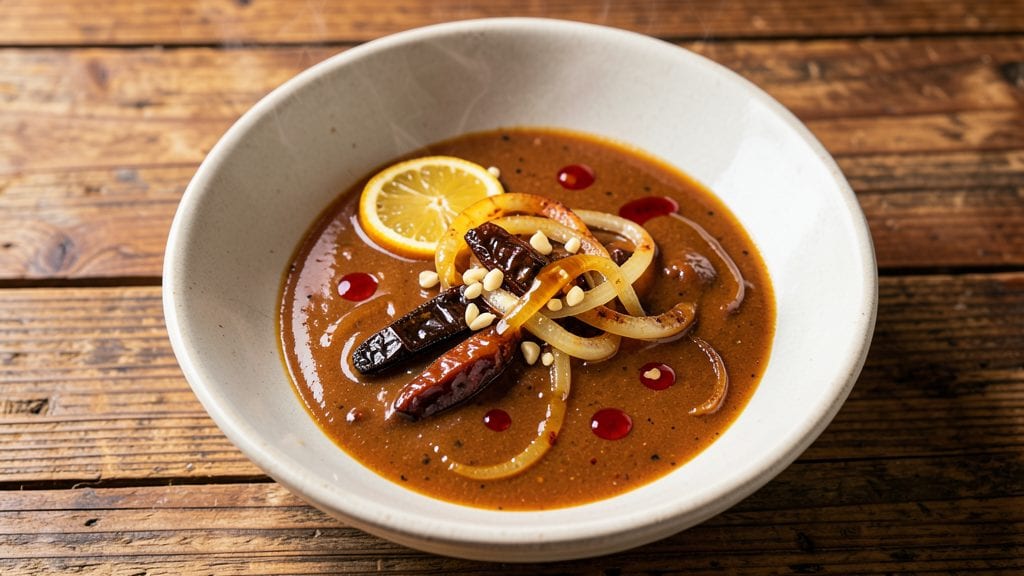
This Chili's ancho salmon sauce recipe delivers the signature smoky chipotle and citrus brightness that makes their restaurant version so addictive. The secret lies in balancing dried ancho chiles for deep, earthy heat with bright orange juice and a touch of honey for natural sweetness.
I've replicated this sauce exactly—no shortcuts—that brings restaurant-quality flavor to your home kitchen.
The foundation of this sauce is a blend of dried ancho chiles, garlic, and onion, simmered until they release their rich, smoky essence into the broth.
What sets this apart is the citrus component: fresh orange juice and a splash of apple cider vinegar that cut through the smokiness while adding bright acidity. The result is a sauce that's complex yet balanced—perfect for drizzling over grilled salmon or using as a marinade.
What you'll end up with is a velvety, slightly sweet sauce with layers of smoky depth and citrus brightness that clings beautifully to salmon fillets. It's versatile enough to work with other proteins too, like chicken or shrimp, but truly shines when paired with perfectly cooked salmon.
The sauce keeps well in the refrigerator for up to 5 days, making it ideal for meal prep.
This recipe requires just 15 minutes of active prep time, with most of the flavor development happening during the simmering process. No special equipment is needed—just a saucepan and a blender or immersion blender for smooth texture.
Once you taste the difference between homemade and restaurant sauce, you'll never go back to bottled versions again.
Ingredients for chili's ancho salmon sauce
Just ten ingredients transform into that signature smoky, citrusy sauce you crave.
| Ingredient | Amount | Notes |
|---|---|---|
| Dried Ancho Chiles 🌶️ | 2 whole | Stems and seeds removed |
| Yellow Onion 🧅 | ½ whole | Medium size, chopped |
| Garlic Cloves 🧄 | 4 cloves | Peeled, rough chopped |
| Fresh Orange Juice 🍊 | ½ cup | Freshly squeezed, no pulp |
| Apple Cider Vinegar 🍯 | 2 tbsp | For acidity balance |
| Honey 🍯 | 1 tbsp | Light or dark variety |
| Chicken Broth 💧 | 1 cup | Low-sodium preferred |
| Extra-Virgin Olive Oil 🫒 | 2 tbsp | For richness and blending |
| Salt 🧂 | ½ tsp | Kosher or sea salt |
| Ground Black Pepper 🌶️ | ¼ tsp | Freshly ground preferred |
Ancho chiles are the heart of this sauce—look for dried, not canned—they should be deep red and slightly wrinkled. Mexican markets or specialty stores often carry the best quality, but the regular grocery store Latin aisle works too. The onion and garlic are classic flavor builders, but don't skip the toasting step—it deepens their flavor. Fresh orange juice is non-negotiable here; bottled juice lacks the brightness. For the vinegar, Bragg or Heinz are reliable choices, but any good-quality apple cider vinegar will do.
No ancho chiles? Dried guajillo chiles work in a pinch, but you'll need to adjust the sweetness with more honey. Substituting bottled orange juice? Add 1 extra teaspoon of vinegar to cut through any artificial aftertaste. The honey can be swapped for maple syrup or agave, though the flavor will shift slightly. Chicken broth can be vegetable broth for vegetarian versions, but the sauce will have a different depth. For a smoother texture, strain the sauce after blending—just don't skip the blending step entirely, or you'll miss out on that velvety consistency.
This sauce keeps beautifully—up to 5 days in the fridge—so make a double batch. The flavor actually improves after a day as everything melds together. For freezing, portion into ice cube trays—perfect for single-use portions. Store in an airtight container with a thin layer of olive oil on top to preserve freshness. The sauce pairs perfectly with grilled salmon, but don't be afraid to drizzle it over shrimp or chicken too.
Why You'll Love This Recipe
- Pantry-to-Pan Speed: I’m talking 15 minutes flat—just toast the ancho chiles, chop one onion, and pulse everything in a blender. No fancy techniques, no waiting for hours. That smoky-sweet depth comes from soaking the chiles, but even that’s a hands-off step.
- Bright & Smoky Magic: The ancho chiles bring deep, smoky warmth, while the orange juice cuts through with a zesty punch. Honestly, that vinegar kick at the end? It’s the secret—balances the richness so it’s never heavy, just ridiculously flavorful.
- Dresses Up Anything: Slather it on grilled salmon, drizzle over roasted veggies, or toss with quinoa—it’s my go-to for weeknight dinners and fancy-ish date nights. (Yes, even on a Tuesday night.) The acidity makes it work with everything, no guesswork.
- Leftovers That Save Me: This sauce keeps for a week in the fridge and freezes like a dream. I double the batch, freeze half, and always have a quick weeknight fix. Plus, dried chiles and onions are cheap—you’ll stretch this into multiple meals without breaking the bank.
Step-by-step instructions for Chili's ancho salmon sauce
Here's how to create that signature smoky, citrusy sauce that pairs perfectly with salmon.
Toast and Rehydrate the Dried Ancho Chiles
Heat a small dry skillet over medium heat. Add the 2 whole dried ancho chiles and toast them for 30 seconds per side until fragrant and slightly darkened. This step deepens their natural smokiness and removes any bitterness. Be careful not to burn them—they should just smell earthy and aromatic, not charred.
Immediately transfer the toasted chiles to a heatproof bowl and cover with 1 cup of hot chicken broth. Let them soak for 15-20 minutes until completely softened and pliable. The broth will turn a beautiful deep red as the chiles release their rich, smoky flavors. Once rehydrated, drain the chiles but reserve the broth for later use.
Sauté Aromatics Until Fragrant
In a medium saucepan, heat the 2 tablespoons of extra-virgin olive oil over medium heat. Add the ½ whole yellow onion, chopped, and cook for 4-5 minutes until softened and translucent. You'll see the edges start to turn golden—that's your signal to add the 4 cloves of rough chopped garlic.
Cook the garlic for another 30 seconds until fragrant but not browned. Watch carefully—garlic burns quickly and can turn bitter. The combination of onion and garlic should now smell sweet and savory, forming the flavor base for your sauce.
Blend the Sauce Components
Using a blender or immersion blender, combine the rehydrated ancho chiles, the reserved broth from soaking them, the sautéed onion and garlic mixture, ½ cup of fresh orange juice, 2 tablespoons of apple cider vinegar, and 1 tablespoon of honey. Blend until completely smooth, scraping down the sides as needed. The sauce should be velvety with no visible chunks.
Taste the sauce and adjust seasoning with ½ teaspoon of salt and ¼ teaspoon of freshly ground black pepper. You might find it needs a touch more acidity—if so, add another teaspoon of apple cider vinegar. The balance should be smoky from the chiles, bright from the citrus, and slightly sweet from the honey.
Simmer and Reduce for Depth
Return the blended sauce to the saucepan and bring it to a gentle simmer over medium-low heat. Let it reduce for 8-10 minutes, stirring occasionally, until it thickens slightly and coats the back of a spoon. You're looking for a consistency that's thick enough to cling to salmon but still pourable.
The sauce should smell complex—smoky from the chiles, citrusy from the orange juice, with a subtle sweetness from the honey. If it becomes too thick, add a splash of water or chicken broth to reach your desired consistency. Remove from heat and let it cool slightly before serving.
Pro Tips For Making Chili'S Ancho Salmon Sauce
- STEAM NOT SEAR: The ancho chiles need to soften, not burn—cover them with boiling water for 10 minutes before blending. I used to skip this and ended up with a gritty, underdeveloped sauce. Trust the steam.
- DEGLAZE WITH VINEGAR: After cooking the onions and garlic, splash in the apple cider vinegar before adding orange juice. The acid cuts through the caramelized bits better, giving the sauce a brighter, cleaner finish. (Yes, even if it smells weird at first.)
- SALT THE CHILES: Toss the dried ancho chiles in warm water with ½ teaspoon salt for 5 minutes before rehydrating. It mellows their bitterness and makes the sauce taste deeper from the start. I learned this after tasting a batch that was sharp and one-dimensional.
- PULSE DON’T BLEND: Use the pulse function on high for 20 seconds, then stop and scrape the sides. Over-blending turns the sauce into a paste—you want visible texture to carry the flavor. My first attempt was smooth as pudding; the second had real character.
Creative variations of this chili's ancho salmon sauce
Spicy Chipotle Twist
For an extra kick, add 1-2 teaspoons of adobo sauce (from canned chipotles) along with the rehydrated ancho chiles. This amplifies the smoky heat while keeping the citrus brightness intact.
I like to use La Costeña chipotles in adobo for authentic flavor. Start with 1 teaspoon and adjust to taste—this sauce becomes surprisingly addictive when spicy. 🌶️
Creamy Avocado Version
Blend in ½ ripe avocado with the sauce components for a luxurious, creamy texture. The avocado adds natural richness that pairs beautifully with the smoky chiles. For best results, use a high-speed blender and add 1 tablespoon of water if needed to help emulsify.
This version works exceptionally well as a marinade for salmon or as a dip for grilled shrimp skewers.
Sweet Mango Fusion
Swap the orange juice for ½ cup fresh mango puree and reduce the honey to ½ tablespoon for a tropical twist. The mango's natural sweetness complements the smoky chiles while adding a vibrant, fruity note.
This variation is perfect for summer grilling—try it with grilled mahi-mahi or blackened shrimp. The sauce's color becomes a stunning coral hue that's as beautiful as it is delicious. 🍍
Herb-Infused Variations
Stir in 1 tablespoon of fresh cilantro or basil during the final simmer for a herbaceous dimension. The cilantro adds a bright, citrusy freshness that echoes the orange juice, while basil provides earthy sweetness.
For a more complex flavor, add ½ teaspoon of ground cumin with the aromatics—this enhances the smoky depth without overpowering the sauce. These variations work particularly well with grilled fish or as a marinade for chicken.
Lighter Lemon-Garlic Adaptation
Replace the orange juice with ½ cup fresh lemon juice and reduce the vinegar to 1 tablespoon for a tangier, brighter sauce. Add an extra 1 clove of garlic to the sautéed aromatics for extra punch.
This version is perfect for seafood lovers who prefer a sharper acidity. The sauce's color becomes a vibrant yellow, and the flavor profile shifts toward Mediterranean influences while keeping the smoky ancho base. 🍋
Smoky Maple Glaze Option
For a thicker, glaze-like consistency, reduce the sauce by 15-20 minutes longer until it reaches a syrupy texture. Replace the honey with 1 tablespoon of pure maple syrup and add ½ teaspoon of smoked paprika during the simmer.
This version works beautifully as a finishing glaze for grilled salmon or as a drizzle over roasted vegetables. The maple adds a caramelized depth that pairs perfectly with the smoky chiles. 🍁
Nutrition facts
Frequently asked questions
Can I make this sauce without dried ancho chiles?
Yes, but the flavor will differ. Use 2 dried guajillo chiles instead, but add ½ extra teaspoon of honey to compensate for their milder sweetness. Toast them first to deepen their flavor, just like the ancho chiles. The sauce will still be delicious but less smoky and earthy.
How long will this sauce keep in the fridge?
The sauce stays fresh for 5-6 days when stored in an airtight container. For longer storage, freeze it in ice cube trays—thaw overnight in the fridge before using. The flavor actually improves after 24 hours as the ingredients meld together.
What's the best way to use this sauce?
This sauce is perfect for grilled or baked salmon, but it also works as a marinade for shrimp or chicken. Drizzle it over fish just before serving or use it as a dip for tacos. For extra richness, reduce it longer to create a glaze for finishing dishes.
Why does my sauce taste too bitter?
Over-toasting the chiles or using too much vinegar can cause bitterness. To fix it, add ½ teaspoon more honey or a splash of fresh orange juice to balance the flavors. For future batches, toast chiles just until fragrant (30 seconds per side) and taste as you go.
Can I make this sauce vegetarian?
Yes! Simply replace the chicken broth with vegetable broth. The flavor will be slightly different but still delicious. For extra depth, add 1 teaspoon of soy sauce or ½ teaspoon of miso paste during the simmer to enhance umami.