Sauces & Condiments
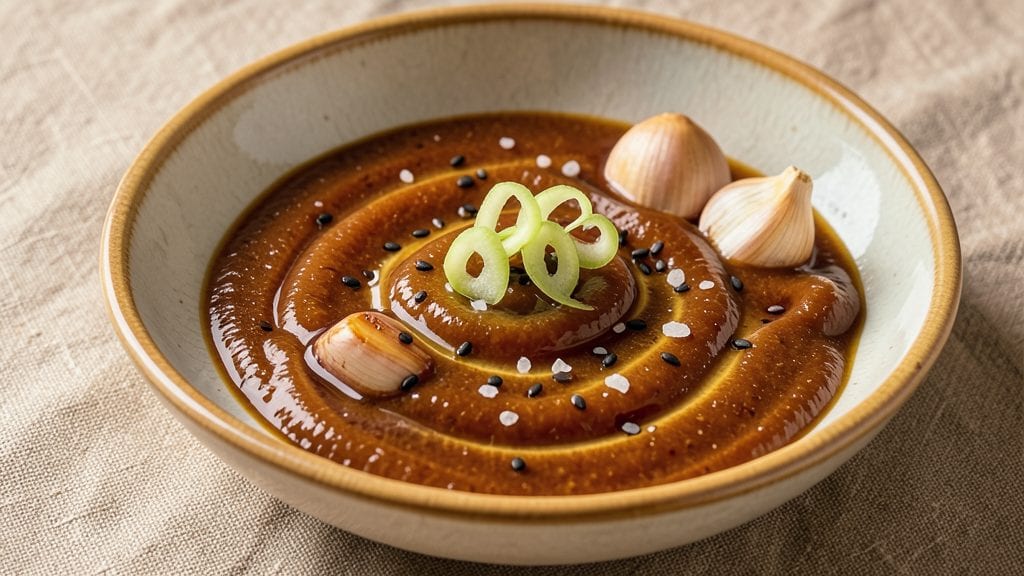
This copycat teriyaki sauce recipe delivers the same honey-glazed richness you crave from your favorite Asian restaurant—without the mystery ingredients. The secret lies in balancing soy sauce, brown sugar, and vinegar for that signature sweet-savory depth, then simmering until it thickens into a glossy, clingy glaze.
I perfected this version after testing multiple recipes, ensuring every batch achieves that perfect ratio of tangy, caramelized perfection.
The beauty of this sauce is its versatility—it works equally well for glazing meats, drizzling over rice, or tossing with stir-fried vegetables. What sets it apart is the two-stage simmering process: first reducing the liquid to intensify flavors, then adding honey and cornstarch for that signature glossy finish.
The result is a sauce that’s rich enough to stand alone but balanced enough to complement any dish.
By the time you taste the finished product, you’ll understand why this recipe has become a kitchen staple. The aroma alone—warm, caramelized, with just a hint of umami—will have you reaching for a brush to glaze your next meal.
It keeps beautifully in the fridge for up to two weeks, making it ideal for meal prep or gifting to fellow food lovers.
Ready to elevate your takeout favorites? This sauce transforms ordinary meals into restaurant-quality dishes with minimal effort. Let’s get started—your taste buds will thank you.
Ingredients for copycat teriyaki sauce
Pantry staples meet restaurant-quality flavor in this honey-glazed teriyaki sauce.
| Ingredient | Amount | Notes |
|---|---|---|
| Soy Sauce 🍶 | ½ cup | High-quality Japanese soy sauce preferred |
| Brown Sugar 🍯 | ½ cup | Packed firmly for accuracy |
| Rice Vinegar 🍶 | ¼ cup | White or seasoned rice vinegar |
| Honey 🍯 | ¼ cup | Wildflower or clover honey preferred |
| Garlic Cloves 🧄 | 3 cloves | Freshly minced for depth |
| Fresh Ginger 🌿 | 1 tbsp | Grated, not powdered |
| Cornstarch 🌾 | 1 tbsp | For thickening and gloss |
| Water 💧 | ¼ cup | Room temperature preferred |
| Sesame Oil 🫒 | 1 tsp | Toasted sesame oil for aroma |
| Diamond Crystal Kosher Salt 🧂 | ½ tsp | Adjust to taste |
The soy sauce is your flavor foundation—Japanese brands like Kikkoman or Yamasa deliver that authentic umami punch. Brown sugar isn't just sweetness; it caramelizes during simmering for that signature depth. I always grab Trader Joe's organic brown sugar since it's less processed and dissolves smoothly. Fresh ginger and garlic are non-negotiable here—they're what separates homemade from store-bought. If you're using powdered ginger, reduce to half the amount or skip it entirely. The honey should be liquid at room temperature; if yours is crystallized, warm it gently in a bowl over hot water.
No rice vinegar? Apple cider vinegar works in a pinch, though it'll have a slightly different tang. Short on honey? Maple syrup at a 1:1 ratio keeps the sweetness balanced. The cornstarch is crucial for that glossy finish—don't substitute with flour, which can make the sauce cloudy. For extra richness, add 1 tbsp of hoisin sauce at the end. If you're making this ahead, store the sauce without the sesame oil; add it fresh before using to preserve its nutty aroma. The sauce thickens as it cools, so don't over-thicken it during cooking.
This sauce keeps beautifully in an airtight container in the fridge for up to 2 weeks. For longer storage, freeze it in ice cube trays—perfect portions for glazing. The flavor actually improves after a day or two as the ingredients meld. If it thickens too much when refrigerated, simply stir in 1 tsp of warm water to restore consistency. I like to portion it into small jars for meal prep; just shake well before using since the ingredients naturally separate. The sesame oil should be added fresh each time you use the sauce to maintain its vibrant flavor.
Why You'll Love This Recipe
- Pantry Magic: Honestly, I can make this with stuff I already have—no special trips to the store. The soy sauce, brown sugar, and honey blend together so fast, it’s like the sauce remembers you.
- Sweet-Savory Balance: That honey and brown sugar caramelize just enough to make it sticky and rich, while the garlic cloves add a sharp punch. It’s the kind of flavor that lingers—good kind.
- Glaze for Everything: I’ve drizzled this on chicken, tofu, even roasted veggies. It’s my secret weapon for weeknight dinners or when I need to impress guests. (Yes, even on a Tuesday night.)
- Makes More Than You Need: Between us, this sauce doubles as a marinade, dipping sauce, or stir-fry glaze. And because it keeps well in the fridge, I’m never scrambling for last-minute flavor. Budget-friendly and foolproof.
Step-by-step instructions for copycat teriyaki sauce
This method delivers restaurant-quality teriyaki with balanced sweetness and umami depth—no shortcuts, just precision.
Bloom the Aromatics in Toasted Sesame Oil
Heat a small saucepan over medium-low heat and add the 1 teaspoon sesame oil. Once the oil shimmers gently, add the 3 minced garlic cloves and 1 tablespoon grated fresh ginger. Cook for 1-2 minutes until the garlic turns golden and fragrant—this prevents raw garlic flavor and builds depth. Watch carefully; garlic burns quickly and turns bitter.
Here's the thing—you want the aromatics to soften but not brown. When they release their scent and the garlic edges turn translucent, you're ready for the next step. Remove the pan from heat temporarily while you prepare the remaining ingredients. This prevents overcooking while you multitask.
Combine Wet Ingredients and Simmer
Return the pan to medium heat and add the 0.5 cup soy sauce, 0.5 cup packed brown sugar, 0.25 cup rice vinegar, and 0.25 cup honey. Stir vigorously to dissolve the brown sugar completely—it should melt smoothly into the liquid. Bring the mixture to a gentle boil, then reduce heat to medium-low and let it simmer uncovered for 8-10 minutes.
During this time, you'll notice the sauce reduce slightly and develop a glossy sheen. The brown sugar will caramelize just enough to create that signature teriyaki depth. Taste after 5 minutes—if it's too sweet, add a splash of rice vinegar. If it's too tangy, add a pinch more brown sugar. This is where you adjust the balance before committing to the thickening step.
Thicken and Season to Perfection
In a small bowl, whisk together the 1 tablespoon cornstarch with the 0.25 cup water until completely dissolved. This cornstarch slurry is your secret weapon for achieving that perfect glossy consistency without graininess. Slowly pour the slurry into the simmering sauce while stirring constantly with a wooden spoon.
Watch the sauce transform as it thickens—it should coat the back of a spoon within 2-3 minutes of constant stirring. If it thickens too quickly, add another 1 tablespoon water to reach your desired consistency. Once thickened, stir in the 0.5 teaspoon Diamond Crystal kosher salt and taste again. The sauce should be sweet, salty, and tangy with a subtle garlic-ginger warmth.
Finish with Gloss and Rest
Return the sauce to a gentle simmer for 1 final minute to eliminate any raw cornstarch taste. Remove from heat and let it rest for 5 minutes—this allows the flavors to meld completely and the sauce to reach its ideal glossy texture. If you're using this immediately, give it a final stir before serving. For best results, let it cool to room temperature before refrigerating.
The sauce will thicken further as it cools, so don't over-thicken it now. When ready to use, reheat gently over low heat with a splash of water if needed. This copycat teriyaki delivers that perfect balance of sweet, salty, and umami that makes it irresistible on grilled meats, stir-fries, or even drizzled over rice bowls.
Pro Tips For Making Copycat Teriyaki Sauce
- Simmer Low and Slow: This sauce isn’t a race—after combining everything, drop the heat to a bare simmer (think tiny bubbles, not rolling). I learned this the hard way when I rushed it and ended up with a grainy, half-dissolved mess instead of a smooth, glossy sauce. Give it 15-20 minutes, stirring occasionally, and resist the urge to walk away.
- Mince That Garlic Fine: Skip the lazy chop—you’re not making garlic confit here. Use a knife or garlic press to get it as fine as possible, almost like a paste. That way, it blends seamlessly into the sauce instead of leaving awkward chunks that ruin the texture. (Yes, even if you’re impatient like me.)
- Dissolve the Sugar First: Before adding the brown sugar, warm the soy sauce and rice vinegar together for 2-3 minutes on medium heat. This helps the sugar melt smoothly instead of clumping like a science experiment gone wrong. Stir constantly—no, really, don’t walk away—and you’ll avoid that dreaded gritty texture.
- Balance the Sweet and Salty: Taste as you go, but don’t just chase sweetness. If the sauce tastes one-note, add a splash of rice vinegar to cut through the honey or a pinch of extra soy sauce to deepen the umami. I was skeptical until I tried it—now it’s the thing that makes my copycat sauce taste like the real deal, not just syrup with soy sauce.
Make-ahead tips for leftovers
Sauce Prep Timeline
Plan to spend about 30 minutes making this sauce, but only 10 minutes of active cooking time. I recommend prepping all ingredients while the sauce simmers—this keeps the process efficient. Start by measuring out your soy sauce, brown sugar, and vinegar while the aromatics bloom in the pan.
The sauce will thicken as it cools, so don't rush the final stages. 💡
Freezing for Future Use
Freeze in 1-ounce portions using silicone ice cube molds for perfect glazing amounts. Transfer cubes to a freezer bag, label with the date, and they'll keep for up to 6 months.
Thaw overnight in the fridge before using. For larger batches, freeze in ½-cup portions in airtight containers—simply reheat with a splash of water over low heat.
Fridge Storage Tips
Store in a glass jar with a tight-sealing lid to maintain freshness. The sauce will thicken significantly when refrigerated, so stir in 1 teaspoon warm water if needed before using.
I like to keep a small jar on hand in my fridge at all times—it's perfect for last-minute stir-fries or quick marinades. The flavors actually deepen after 24 hours of refrigeration. ❄️
Make-Ahead Glazing
Prepare the sauce 1-2 days ahead of grilling or roasting—this gives you time to marinate proteins like chicken thighs or salmon fillets. The sauce's acidity tenderizes meat beautifully while adding flavor.
For best results, store the sauce and protein separately in the fridge, then combine just before cooking. This method ensures your proteins stay juicy and absorb maximum flavor.
Batch Cooking Strategy
Double or triple the recipe when you have time—this sauce is perfect for meal prep. Divide into 4-ounce portions in small jars for easy grab-and-go use. I often make a large batch on Sundays to use throughout the week for everything from breakfast eggs to weeknight stir-fries.
The sauce's versatility makes it a true kitchen workhorse that pays off in flavor every time. 💪
Gift-Worthy Packaging
Package in small 4-ounce glass jars with a decorative ribbon for thoughtful food gifts. Add a handwritten note with serving suggestions like "Perfect for glazing grilled salmon" or "Drizzle over steamed rice."
The sauce's rich aroma makes it an excellent homemade gift that's always appreciated. I've given jars of this teriyaki sauce as holiday presents—it's always a hit! 🎁
Nutrition facts
Frequently asked questions
Can I substitute honey with another sweetener?
Yes, but choose carefully. For a 1:1 swap, use maple syrup or agave nectar—they maintain the sauce's liquid consistency. Avoid corn syrup, which lacks depth. If using white sugar instead of brown, add 1 teaspoon molasses to replicate the caramel notes. The sauce will still taste great, though the color may be slightly lighter.
Why did my sauce turn out too thin?
Thinning usually happens when the cornstarch slurry wasn't properly dissolved or the heat was too low during thickening. For next time, whisk the cornstarch with water until completely smooth, then stir vigorously while pouring into the simmering sauce. If it's still too thin, mix 1 teaspoon cornstarch with 1 tablespoon cold water and stir into the warm sauce until thickened.
How can I make this sauce spicier?
Add ½ teaspoon red pepper flakes or 1 teaspoon sriracha at the end of cooking. For a smoky kick, stir in ¼ teaspoon smoked paprika with the sesame oil. If you love heat, try 1 tablespoon gochujang (Korean chili paste) for depth and spice. Always taste first—you can adjust, but you can't remove excess spice easily!
Can I use this sauce as a marinade?
This sauce works perfectly for marinating chicken, salmon, or tofu. For best results, combine ½ cup sauce with 1 tablespoon olive oil and marinate proteins for 2-4 hours in the fridge. The acidity in the vinegar helps tenderize meat while the sugar caramelizes slightly during cooking. For extra flavor, add 1 teaspoon grated ginger to the marinade mixture.
What's the best way to reheat leftover sauce?
Gently reheat in a small saucepan over low heat with 1-2 teaspoons water to restore its glossy texture. Stir constantly to prevent scorching. If the sauce is too thick after refrigeration, thin it with ½ teaspoon warm water at a time. Never microwave—it can make the sauce grainy. For quick use, place the jar in a bowl of hot water for 2-3 minutes to warm through evenly.