Sauces & Condiments
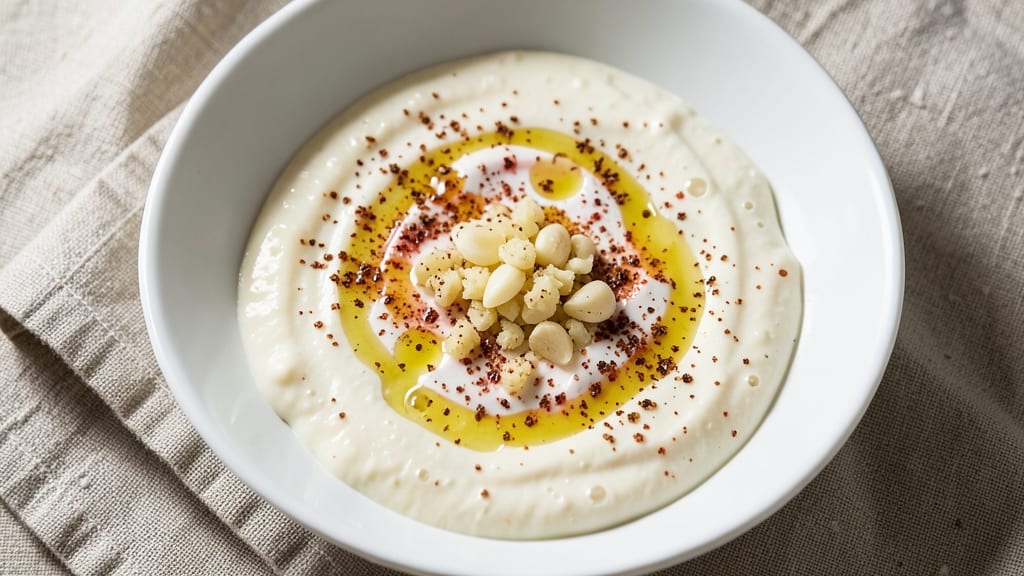
This crab leg dipping sauce recipe transforms a simple side into a flavor explosion—bright, buttery, and packed with that perfect zesty kick.
The secret lies in balancing creamy mayonnaise with tangy lemon and a touch of Old Bay seasoning, creating a sauce that cuts through the richness of fresh crab while enhancing its natural sweetness.
I developed this after years of testing dips that either overwhelmed or failed to complement the delicate flavor of crab legs.
The sauce comes together in just 10 minutes with ingredients you likely already have in your pantry. A simple blend of mayonnaise, lemon juice, garlic, and Old Bay creates a harmonious balance of creaminess, acidity, and savory depth.
The key is letting the flavors meld for at least 30 minutes before serving, allowing the seasoning to fully integrate and the sauce to reach its peak tangy, buttery perfection.
What you’ll end up with is a velvety, golden-hued dip that’s rich enough to stand alone but bright enough to make every bite of crab leg taste like a seaside feast. The sauce clings beautifully to fresh crab meat, adding a luxurious texture while keeping the dish light.
It also works wonders with crackers, grilled shrimp, or even as a marinade for seafood skewers.
Store any leftovers in an airtight container in the refrigerator for up to 5 days, though I’ve never had mine last that long. This sauce is the kind of game-changer that turns a simple seafood dinner into a memorable experience—without requiring any advanced techniques. Let’s get started!
Ingredients for crab leg dipping sauce
Five core ingredients plus a few bright accents—this sauce is all about balance.
| Ingredient | Amount | Notes |
|---|---|---|
| Mayonnaise 🥛 | 1 cup | High-quality, full-fat preferred |
| Fresh Lemon Juice 🍋 | ½ cup | Freshly squeezed, no pulp |
| Garlic Cloves 🧄 | 4 cloves | Freshly minced, not pre-minced |
| Old Bay Seasoning 🌶️ | 1 ½ tbsp | Original blend, not imitation |
| Extra-Virgin Olive Oil 🫒 | ¼ cup | Light, fruity variety |
| Unsalted Butter 🧈 | ¼ cup | Cold, cubed for emulsification |
| Fresh Chives 🌿 | 2 tbsp | Finely chopped, for garnish |
| Sea Salt 🧂 | ½ tsp | Fine grain, for balance |
| Hot Sauce 🔥 | 1 tbsp | Optional, for extra heat |
| Ice Water 💧 | ¼ cup | For thinning if needed |
The mayonnaise is non-negotiable here—Duke's or Hellmann's are my go-tos for that silky texture. Grab the full-fat kind (the good stuff, not the 'light' version) for proper richness. Fresh lemon juice is key—organic Meyer lemons if you can find them, but regular lemons work too. The garlic should be freshly minced (not pre-minced from the jar)—it makes all the difference. Old Bay is the secret weapon: McCormick's original blend is the gold standard, but any quality brand works. Store your Old Bay in a cool, dark place to preserve its punch.
No Old Bay? Mix 1 tsp celery salt, 1 tsp paprika, and 0.5 tsp black pepper for a DIY version. Short on lemon juice? Lime juice works at a 1:1 ratio, though it'll taste slightly different. The butter needs to be cold—cut it into small cubes before adding to prevent separation. If your sauce gets too thick, add ice water 1 tbsp at a time until it reaches a smooth, dip-able consistency. The hot sauce is optional, but if you add it, start with 0.5 tbsp and adjust to taste—some brands are much hotter than others.
This sauce keeps beautifully—5 days in the fridge in an airtight container, or 3 months frozen in ice cube trays for single-serving portions. For best texture, let it sit at room temperature for 15-20 minutes before serving. The flavors actually improve after 30 minutes of resting, so make it ahead if you can. Garnish with fresh chives right before serving—they add a lovely pop of color and freshness that makes the sauce look restaurant-worthy.
Why You'll Love This Recipe
- Here’s what sold me: the lemon juice cuts through the richness of the mayo, while the Old Bay gives it that briny, coastal kick. The garlic? Oh, it’s there—just enough to make your taste buds sing without overpowering.
- I’ll be real: I’ve made this twice as much as I needed and never regretted it. The flavors actually improve after a day in the fridge—great for meal prep or when you’re hosting and want to keep things simple. Just stir and serve.
Step-by-step instructions for buttery lemon aioli
This zesty, velvety sauce comes together in minutes—perfect for elevating every crab leg.
Mince the Garlic and Prepare the Base
Peel the 4 cloves of garlic cloves and mince them finely using a sharp knife or microplane. The texture should be almost pasty—this ensures smooth incorporation without garlic bits. In a medium bowl, whisk together the 1 cup mayonnaise, 0.5 cup fresh lemon juice, and 0.5 teaspoon sea salt until fully combined. You'll see the mixture lighten slightly as the lemon brightens the mayonnaise.
Here's the thing—fresh lemon juice makes all the difference. If you're using bottled, add 1 extra teaspoon of lemon juice to compensate for the lack of acidity. The mixture should be homogenous with no streaks of lemon remaining. This foundational blend will carry the entire sauce's flavor profile, so take your time here.
Emulsify the Butter and Olive Oil
In a separate heatproof bowl, melt the 0.25 cup unsalted butter and 0.25 cup extra-virgin olive oil together over a bowl of barely simmering water (double boiler method). The temperature should stay below 160°F—if it gets hotter, the butter will separate and the sauce will break. Once melted, remove from heat and let cool for 2 minutes until just warm to the touch.
This step is crucial for creating that signature buttery richness. Cold butter cubes create a thicker, more stable emulsion. If you're in a hurry, you can microwave the butter and oil in 10-second bursts, stirring between each, but the double boiler method yields the smoothest results. The mixture should be completely liquid but not hot.
Combine and Season
With the motor running on low speed in a stand mixer (or using a hand mixer), gradually drizzle the melted butter-oil mixture into the mayonnaise-lemon blend. Add it slowly—about 1 tablespoon at a time—allowing each addition to fully incorporate before adding more. This gradual approach prevents the sauce from breaking. Once fully combined, add the minced garlic and mix for another 30 seconds until just distributed.
Now for the seasoning: Add the 1.5 tablespoons Old Bay seasoning and 1 tablespoon hot sauce (if using). Pulse the mixer briefly just to combine—overmixing can develop heat in the sauce. Taste and adjust seasoning: You might need a pinch more sea salt or hot sauce depending on your preference. The sauce should balance bright lemon, buttery richness, and a subtle heat from the Old Bay and hot sauce.
Adjust Consistency and Finish
For a perfectly smooth texture, transfer the sauce to a blender and blend for 10-15 seconds until completely silky. If the sauce is too thick (it might be after blending), add the 0.25 cup ice water 1 tablespoon at a time until you reach your desired consistency. The sauce should coat the back of a spoon but still be pourable. This final adjustment ensures the sauce clings beautifully to crab legs without being runny.
Finally, stir in the 2 tablespoons fresh chives just before serving. The chives add a fresh, oniony brightness that cuts through the richness. For maximum flavor, let the sauce sit at room temperature for 10 minutes before serving—this allows all the components to meld together perfectly. Serve immediately with fresh crab legs for the ultimate seafood experience.
Pro Tips For Making Crab Leg Dipping Sauce
- Mince the Garlic Fine: I learned this the hard way—lumpy garlic ruins the texture. Use a microplane or the flat side of your knife to crush the cloves into a paste before mixing. No food processor? Smash them with the bottom of a glass first, then chop. The sauce will be silky, not gritty.
- Warm the Oil First: Drizzle that extra-virgin olive oil into the mayo after it’s been tossed with the lemon juice and garlic. Warm the oil slightly (just until it’s barely lukewarm) before adding it—this keeps the sauce from breaking. Cold oil in warm mayo? That’s a curdled mess waiting to happen.
- Balance the Old Bay: Start with half the Old Bay packet, taste, then add the rest. The seasoning packs a punch, and you’ll end up with a sauce that’s either bland or overly spicy. If you’re using pre-shucked crab legs, cut the seasoning by a third—they’re already salted.
- Strain the Lemon Juice: Fresh lemon juice has pulp, and that’s the enemy of a smooth sauce. Strain it through a fine-mesh sieve before mixing—yes, even if you’re impatient. I know, I know, but trust the process. The texture will be velvety, not chunky.
Perfect pairings for this dish
Crab Leg Pairings
This sauce is a game-changer for fresh crab legs—it clings beautifully to the meat while enhancing their natural sweetness. Serve it alongside steamed or boiled crab legs for a classic pairing, or use it as a dip for warm buttery crackers like Triscuits or Wheat Thins.
The sauce also works wonderfully with grilled shrimp skewers or oysters on the half shell for a seafood feast. 🦀
Beverage Matchups
A crisp Sauvignon Blanc from New Zealand cuts through the sauce’s richness with its bright acidity. I love pairing it with a Kim Crawford Sauvignon Blanc—its citrus notes complement the lemon perfectly.
For beer lovers, a wheat beer like Blue Moon Belgian White adds a refreshing contrast with its coriander and citrus flavors. If you prefer hard seltzers, try a grapefruit-infused option like Truly Hard Seltzer for a zesty kick.
Unexpected Uses
This sauce isn’t just for dipping—use it as a marinade for seafood skewers or a finishing sauce for grilled fish. Toss it with chilled linguine for a quick pasta dish, or drizzle it over seared scallops before serving. The versatility makes it a pantry staple for any seafood lover. 🌊
Vegetable Sides
Serve the sauce with roasted asparagus or grilled zucchini for a lighter bite. The sauce’s tangy brightness balances the earthiness of roasted vegetables beautifully.
I also love pairing it with a chilled cucumber salad—toss sliced cucumbers with rice vinegar, sesame seeds, and a sprinkle of Old Bay seasoning for a refreshing contrast. 🥒
Bread Alternatives
If you’re skipping crackers, try toasted baguette slices or garlic bread for dipping. For a gluten-free option, use rice crackers or plantain chips—both hold up well to the sauce’s creamy texture. The key is choosing a crisp, sturdy base that won’t get soggy. 🥖
Leftovers Reinvented
Save any leftover sauce for seafood tacos—spread it on warm tortillas with shredded cabbage and lime. It also works as a dressing for seafood salads or a slather on grilled corn on the cob. The possibilities are endless, so don’t let leftovers go to waste! ✨
Nutrition facts
Frequently asked questions
Can I make this sauce without Old Bay seasoning?
If you don't have Old Bay, mix 1 teaspoon celery salt, 1 teaspoon paprika, and 0.5 teaspoon black pepper for a similar flavor profile. The sauce will still be delicious—just slightly less complex. For extra depth, add a pinch of cayenne or smoked paprika to mimic Old Bay's warmth.
How do I fix a broken sauce (separated or grainy texture)?
If your sauce separates, whisk in 1 tablespoon of ice water at a time until smooth. For graininess, blend the mixture for 10-15 seconds or strain it through a fine-mesh sieve. The key is gradual adjustments—never add liquid all at once. If it's too thick, thin with ice water; if too thin, chill for 10 minutes to thicken naturally.
What’s the best way to store leftover sauce?
Transfer to an airtight container and refrigerate for up to 5 days. For longer storage, freeze in ice cube trays (thaw in the fridge overnight). Avoid freezing in bulk—it can alter the texture. Before reheating, stir gently over low heat (or microwave for 10 seconds) until just warm to restore creaminess.
Can I use this sauce on other seafood besides crab?
Yes! It’s perfect for grilled shrimp, lobster tails, or seared scallops. The lemon-butter balance complements delicate seafood beautifully. For fish, try it with blackened trout or tilapia—the sauce adds moisture and flavor without overpowering. Pro tip: Brush a thin layer on fish before serving for extra richness.
Why does my sauce taste too salty?
Old Bay and sea salt can accumulate quickly. Taste as you go and adjust with 1 teaspoon lemon juice or 1 tablespoon cold water to dilute. If the sauce is already mixed, stir in 1 tablespoon heavy cream or mayonnaise to balance the saltiness. Avoid adding more lemon juice—it’ll make the sauce too acidic.