Sauces & Condiments
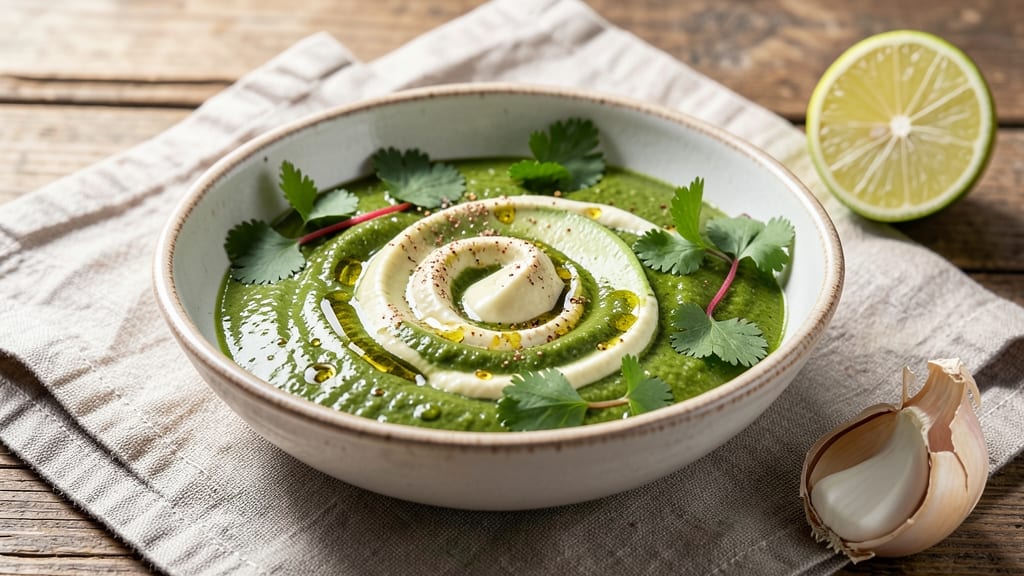
This guasacaca sauce recipe transforms simple avocado into Venezuela’s vibrant, tangy answer to guacamole—where lime and cilantro take center stage. Unlike its Mexican cousin, guasacaca relies on fresh lime juice and cilantro for a bright, herbaceous punch that pairs perfectly with seafood.
I developed this version after tasting it at a Caracas restaurant, where it elevated grilled shrimp into something unforgettable.
The beauty of guasacaca lies in its balance: creamy avocado provides richness, while lime and cilantro keep it refreshing. A touch of garlic and onion powder adds depth without overpowering the citrusy freshness.
This sauce is best made 30 minutes ahead to let flavors meld, though it stays fresh for up to 2 days in the refrigerator. The texture should be smooth yet slightly chunky—never mushy.
What sets guasacaca apart is its versatility. Spread it on warm tortillas, drizzle over grilled fish, or serve as a dip for crispy plantains. The avocado-lime zing cuts through richness, making it ideal for seafood lovers.
Unlike guacamole, it holds its shape longer, resisting browning even after chilling. This is the sauce that turns simple meals into something special.
For best results, use ripe but firm avocados and freshly squeezed lime juice. The ratio of lime to avocado is critical—too much juice makes it sour, too little dulls the flavor.
Here’s how to achieve that perfect balance every time, along with tips for adjusting texture and storage. Let’s make it.
Ingredients for guasacaca sauce
Nine ingredients, one game-changing sauce. This is guasacaca—where avocado meets lime in a citrusy, herbaceous embrace.
| Ingredient | Amount | Notes |
|---|---|---|
| Ripe Hass Avocados 🥑 | 2 whole | Firm but yielding to gentle pressure |
| Fresh Lime Juice 🍋 | ½ cup | Strained, no pulp, freshly squeezed |
| Fresh Cilantro Leaves 🌿 | 1 cup | Stems removed, tightly packed |
| Garlic Cloves 🧄 | 3 cloves | Peeled, finely minced, not pressed |
| Onion Powder 🧅 | 1 tsp | Sweet, not smoked, for subtle depth |
| Extra-Virgin Olive Oil 🫒 | ¼ cup | Light, fruity, not robust |
| Salt 🧂 | ½ tsp | Diamond Crystal kosher, not iodized |
| Black Pepper 🌶️ | ¼ tsp | Freshly cracked, not pre-ground |
| Cayenne Pepper 🔥 | ⅛ tsp | Adjust for heat preference |
The avocados are non-negotiable—Hass is the only way to go, and they need to be ripe but firm. Hit the grocery store's produce section early for the freshest, or check the Whole Foods bulk bins if you want to splurge on organic. The lime juice is where the magic happens: Mexican or Persian limes work best, but if you can only find Key limes, juice twice the amount. Fresh cilantro is a must—dried just won’t cut it—so grab a big bunch and chop the stems off before measuring. For the garlic, Spanish or Italian varieties have the most flavor, but any fresh garlic will do if minced finely enough.
No fresh cilantro? Fresh parsley at double the amount saves the day, though it’ll lack that signature guasacaca brightness. Running low on lime juice? Fresh lemon juice works in a pinch, but add a pinch of sugar to balance the tartness. The onion powder is key for depth—skip it only if you’re avoiding alliums. For the olive oil, avoid extra-light varieties; you want that fruity punch. The cayenne is optional but recommended—start with a pinch and taste as you go. This sauce is all about balance, so don’t be afraid to adjust ratios as you blend.
Guasacaca shines when made ahead—30 minutes before serving lets the flavors marry perfectly. Store any leftovers in an airtight container with a thin layer of olive oil on top to prevent browning, and keep it refrigerated for up to 2 days. For longer storage, portion into ice cube trays and freeze for up to 3 months. Thaw overnight in the fridge before using. Pro tip: Tortilla chips are the perfect vehicle, but this sauce also elevates grilled shrimp, seared scallops, or even a simple ceviche.
Why You'll Love This Recipe
- No Blender Needed: I’ll be real—this sauce only needs a fork. Mash those avocados right in the bowl, then fold in the lime and cilantro. No pulsing, no straining, no cleanup. The texture stays just chunky enough to feel fresh, not mushy.
- Zesty, Tangy Magic: That lime juice cuts through the richness of the avocado like a bright summer breeze. Add a little onion powder and garlic, and suddenly you’ve got a sauce that’s herby, punchy, and ridiculously addictive—like a hug for your taste buds.
- Weeknight Superstar: Drizzle it on grilled fish, toss it with rice, or serve it as a dip with chips. Honestly, it’s my go-to for lazy Fridays or when I’m prepping for the week. The avocados keep it creamy, and the lime means it won’t spoil fast.
- Budget-Friendly Luxury: Avocados are the star, but they stretch far. A single batch feeds a crowd or lasts me three meals. Plus, the other ingredients—lime, cilantro, garlic—are cheap staples. Fancy restaurant vibes for pennies? Yes, please.
Step-by-step instructions for guasacaca sauce
This Venezuelan avocado sauce delivers a vibrant, tangy punch that's infinitely more complex than guacamole.
Halve and Pit the Ripe Hass Avocados
Cut the 2 whole ripe Hass avocados lengthwise around the pit, then twist to separate each half. Remove the pits and scoop the flesh into a food processor using a spoon. I like to press the avocado gently against the sides to extract every bit of creamy goodness—this ensures maximum yield and prevents waste. For best results, use avocados that yield slightly to gentle pressure but aren't overly soft.
Leave the avocado exposed to air for just 5 minutes before processing. This brief oxidation actually enhances the nutty flavor profile of the sauce. While you wait, take a moment to appreciate how the avocado's natural oils will emulsify beautifully with the lime juice and olive oil in the next steps.
Process Avocado Until Completely Smooth
Pulse the avocado in the food processor for 30 seconds to break it down, then stop and scrape the sides with a silicone spatula. This prevents any avocado from clinging to the bowl and ensures even processing. Continue processing until completely smooth, about 1-2 minutes total. The texture should be velvety with no visible avocado chunks.
Here's the thing—don't rush this step. The smoothness is what creates that luxurious mouthfeel that sets guasacaca apart from chunky guacamole. If your processor struggles, add 1 tablespoon of the extra-virgin olive oil to help it along. The sauce should be thick but still pourable at this stage.
Add Aromatics and Seasonings
Add the 3 cloves of finely minced garlic, 1 cup of tightly packed fresh cilantro leaves, 1 teaspoon of onion powder, 0.5 teaspoon of salt, 0.25 teaspoon of freshly cracked black pepper, and 0.125 teaspoon of cayenne pepper to the food processor. Pulse 2-3 times just to combine—you want to incorporate these ingredients without over-processing, which could turn the sauce bitter.
The garlic should be completely minced, not pressed, to avoid releasing its harsh compounds. The cilantro adds that signature freshness while the onion powder provides subtle depth that elevates the sauce beyond basic avocado preparations. This is where the magic happens—these aromatic elements transform simple avocado into something truly special.
Incorporate Lime Juice and Olive Oil
With the processor running on low speed, slowly drizzle in the 0.5 cup of fresh lime juice and 0.25 cup of extra-virgin olive oil through the feed tube. This gradual addition prevents the sauce from separating. Process for another 30-45 seconds until fully emulsified and completely smooth. The sauce should be bright green, vibrant, and have a glossy sheen from the olive oil.
Taste and adjust seasoning if needed. The lime juice should be bright and tangy, cutting through the richness of the avocado perfectly. The olive oil adds body while maintaining a light texture. If the sauce is too thick, add 1-2 teaspoons of water to reach your desired consistency—it should coat the back of a spoon but still be pourable.
Rest and Serve Immediately
Transfer the guasacaca sauce to a serving bowl and let it rest for 10-15 minutes at room temperature. This brief resting period allows all the flavors to meld together completely. The sauce will develop even more depth of flavor and a more cohesive texture during this time.
Serve immediately with crispy fried fish, grilled shrimp, or as a dip for plantain chips. The sauce should be vibrant green with a smooth, velvety texture that's neither too thick nor too thin. Each bite should deliver a perfect balance of creamy avocado, bright lime, aromatic cilantro, and just a hint of cayenne heat. For best results, use within 2 hours of preparation to maintain peak freshness and texture.
Pro Tips For Making Guasacaca Sauce
- Mash, Don’t Blend: Guasacaca needs texture—skip the food processor. Use a fork to break up the avocados first, then press through a fine-mesh strainer with a wooden spoon. This keeps the sauce silky but prevents that dreaded grainy paste you get when over-blending. (Yes, even if you’re impatient like me.)
- Salt the Cilantro: Toss the chopped cilantro with a pinch of salt and let it sit for 2 minutes before mixing it in. This softens the leaves and draws out their flavor—no more bitter surprises. I learned this the hard way after making a batch that tasted like soap.
- Strain Twice, Regret Nothing: After mashing the avocados, strain the pulp before adding lime juice. Then strain the finished sauce again through a clean cloth or coffee filter. This removes excess moisture and keeps the sauce clingy, not soupy. (Your future self will thank you.)
- Roast the Garlic: Swap raw garlic for roasted cloves—halve them, toss with oil, and roast at 400°F (200°C) for 15 minutes until caramelized. The flavor is deeper, sweeter, and won’t overpower the avocado. Sounds weird, but it works.
Pro cooking tips for this dish
Avocado Ripeness Matters
The secret to perfect guasacaca starts with ripe but firm avocados—they should yield slightly to gentle pressure but not be mushy. I’ve learned the hard way that overripe avocados turn the sauce into a gloopy mess.
For best results, buy Hass avocados that are just starting to give at the stem. If you’re unsure, cut one open—the flesh should be dark green with a nutty aroma, not light green or brown. 🥑
Lime Juice Ratio Control
Too much lime juice ruins the balance, making your sauce taste like a sour punch. The key is 0.5 cup of fresh lime juice—no substitutions! If you’re using Persian limes, you’ll need slightly less juice since they’re milder.
Strain the juice through a fine-mesh sieve to remove pulp, which can make the sauce watery. I always taste as I go, adjusting with 1 teaspoon at a time until the tang cuts through the avocado’s creaminess.
Cilantro’s Freshness Factor
Fresh cilantro is non-negotiable—dried or frozen versions lack the bright, citrusy punch this sauce needs. Look for bright green stems and a fresh, slightly soapy aroma. If your cilantro tastes bitter, it’s past its prime.
For extra flavor, I like to roughly chop the stems (not just leaves) and pulse them in the food processor—they add subtle depth without overpowering. 🌿
Emulsifying Like a Pro
The magic happens when you slowly drizzle in the olive oil and lime juice while processing. This gradual addition prevents separation, creating that signature velvety texture. If your sauce looks curdled, add 1 tablespoon of olive oil and pulse again.
For a smoother finish, I recommend using a high-speed blender like the Ninja BN600—it emulsifies better than standard food processors.
Resting for Flavor Development
Never skip the 10-15 minute rest after blending. This lets the flavors meld and the sauce thicken slightly. I’ve found that guasacaca tastes more vibrant after resting—almost like it’s been aged. Serve it at room temperature for the best texture.
If you’re prepping ahead, store it in an airtight container with a thin layer of olive oil on top to prevent browning. ✨
Adjusting Texture on Demand
If your guasacaca is too thick, thin it with 1-2 teaspoons of cold water or lime juice. For extra creaminess, add 1 tablespoon of sour cream or Greek yogurt. Avoid over-blending—you want smooth but slightly chunky texture.
The sauce should coat the back of a spoon but still be pourable. For a spicier kick, add ¼ teaspoon more cayenne or a pinch of smoked paprika.
Nutrition facts
Frequently asked questions
What makes guasacaca different from guacamole?
Guasacaca is Venezuela's answer to guacamole, but with a citrusy twist! While guacamole relies on tomatoes and onions, guasacaca uses lime juice and cilantro as the stars, creating a bright, herbaceous sauce that's smoother and tangier. The onion powder adds depth without overpowering, while cayenne brings subtle heat. It's perfect for seafood lovers who want a lighter, fresher dip than classic guac.
Can I make guasacaca without a food processor?
Use a mortar and pestle or a high-powered blender instead. For best texture, mash the avocado first, then mix in lime juice and olive oil gradually while stirring constantly. You might need to add 1 tablespoon of water to help emulsify, but the result will still be delicious. The key is patience—keep blending until completely smooth.
How do I prevent guasacaca from browning?
Exposure to air causes browning, so store your guasacaca with a thin layer of olive oil on top in an airtight container. For longer storage, portion into ice cube trays and freeze. When ready to use, thaw in the fridge overnight. If browning occurs, simply stir in 1 teaspoon of fresh lime juice to restore brightness. The oil layer acts as a protective barrier against oxidation.
What are the best dishes to serve with guasacaca?
Guasacaca shines with grilled shrimp, fried fish, or ceviche—its tangy brightness cuts through rich seafood perfectly. Try it as a dip for plantain chips or spread it on warm corn tortillas with flaked fish. It also works as a marinade for chicken or pork if you prefer non-seafood options. The lime and cilantro flavors complement spicy dishes beautifully.
Why does my guasacaca taste too sour?
Too much lime juice is the most common culprit! Start with the 0.5 cup called for and taste as you go. If it's too sharp, balance it with 1 teaspoon of honey or sugar to mellow the acidity. For extra depth, add 1 tablespoon of avocado oil to round out the flavors. Remember, guasacaca should be tangy but never overpoweringly sour—think of it as a bright, herbaceous complement, not a citrus punch.