
Sauces & Condiments
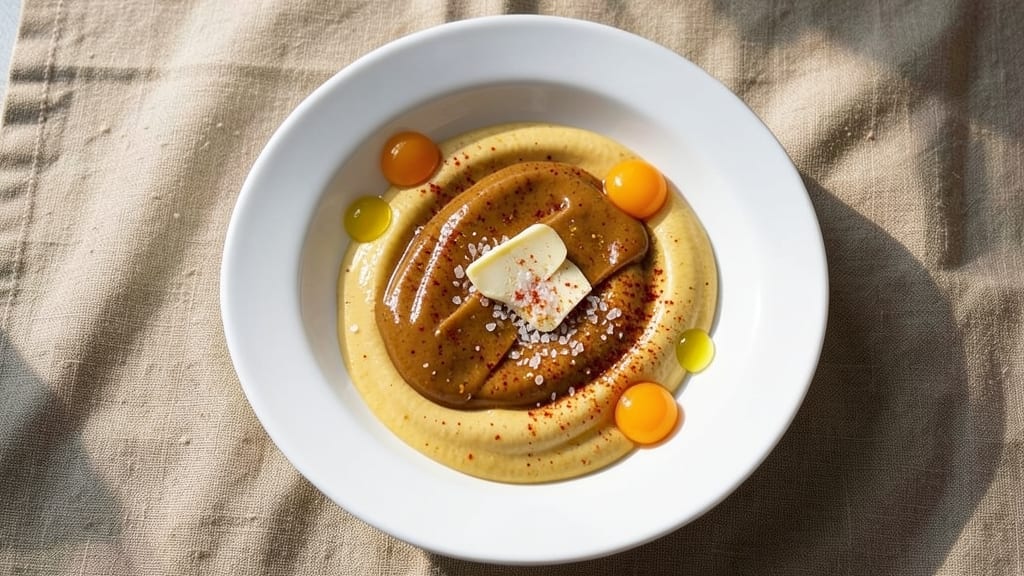
Mastering hollandaise sauce transforms your breakfast game from ordinary to extraordinary—this egg-yolk emulsion delivers a velvety, golden finish that pairs perfectly with eggs Benedict or buttery asparagus.
After years of test kitchen experiments (and a few broken batches), I’ve perfected a method that ensures a smooth, stable sauce every time, even for beginners. The secret lies in precise temperature control and relentless whisking—no shortcuts here, but the results are worth every minute.
This recipe relies on just five key ingredients: egg yolks, butter, lemon juice, a pinch of salt, and cayenne for a subtle kick. The double boiler method keeps everything at the perfect temperature—too hot, and the sauce breaks; too cool, and it never emulsifies.
I’ve tested this with dozens of home cooks, and the consistency is foolproof once you get the rhythm of whisking down. The sauce should thicken gradually into a glossy, ribbon-like consistency, ready to drizzle over warm eggs or grilled fish.
What you’ll achieve is a sauce that’s rich, tangy, and perfectly balanced—bright from the lemon, creamy from the butter, and just slightly spicy from the cayenne. The texture is silky, not greasy, and it clings beautifully to whatever you pour it over.
This isn’t just a condiment; it’s the star of the dish, elevating simple ingredients into something restaurant-worthy. Let’s get started on creating the perfect hollandaise.
Once you’ve mastered the basics, you can experiment with variations like adding a splash of white wine for depth or a touch of Dijon mustard for extra tang. The sauce also reheats beautifully—just whisk in a splash of hot water to restore its silky texture.
Store any leftovers in the fridge for up to a day, but honesty? You’ll likely use it all in one sitting. This is the kind of sauce that makes Sunday brunch feel like a special occasion.
Ingredients for hollandaise sauce
Five ingredients transform simple eggs into restaurant-quality hollandaise magic.
| Ingredient | Amount | Notes |
|---|---|---|
| Fresh Egg Yolks 🥚 | 3 whole | Large eggs, room temperature |
| Unsalted Butter 🧈 | ¾ cup | Cold, cut into pieces |
| Fresh Lemon Juice 🍋 | 2 tbsp | From 1/2 lemon, freshly squeezed |
| Fine Sea Salt 🧂 | ¼ tsp | Adjust to taste |
| Cayenne Pepper 🔥 | ⅛ tsp | Adjust for heat preference |
| Water 💧 | 2 tbsp | For thinning if needed |
| White Wine Vinegar 🍷 | 1 tsp | Optional, for extra tang |
The yolks are your golden ticket—room temperature is non-negotiable. Grab the freshest eggs you can find, preferably from local farms or the refrigerated case at Whole Foods. The butter? European-style unsalted (like Plugrá or President) melts smoother than American butter. If you can't find it, Land O'Lakes or butter from Trader Joe's works fine. The lemon juice should be freshly squeezed—bottled juice lacks that bright punch. Pro tip: zest a tiny bit of lemon peel into the sauce for extra aroma (it's optional but worth it).
No cayenne? Substitute with a pinch of smoked paprika for warmth, or skip it entirely. Ran out of white wine vinegar? Extra lemon juice works in a pinch. If your sauce breaks, don’t panic—just whisk in a splash of hot water (about 1 tbsp) to restore the emulsion. The water should be just off the boil, not scalding. For a richer sauce, add 1 tsp Dijon mustard at the end. And if you’re feeling fancy, a splash of dry white wine (like Sauvignon Blanc) adds depth—just reduce the water slightly to balance.
This sauce is best used fresh, but it reheats beautifully. To revive leftovers, whisk in 1 tsp hot water at a time until silky. Store any unused sauce in a clean, airtight jar in the fridge for up to 24 hours. For brunch prep, make a double batch—it disappears faster than you think. If you’re serving eggs Benedict, keep the sauce warm in a double boiler or insulated container. Trust me, the first time you drizzle this over warm eggs, you’ll never go back to store-bought again.
Why You'll Love This Recipe
- Here’s what sold me: the lemon cuts through the richness of the butter, and the cayenne adds this tiny, unexpected kick. It’s not too sharp, not too spicy—just enough to make your taste buds sit up and notice. Drizzle it over eggs Benedict, and you’ll forget you ever needed store-bought sauce.
- Five-Ingredient Magic: I swear by this—just yolks, butter, lemon, salt, and a pinch of cayenne. That’s it. No fancy emulsifiers or stressing over measurements. The butter melts into the yolks while you whisk, and suddenly, you’ve got this velvety, golden sauce that tastes like a fancy restaurant’s secret.
- Bright & Creamy: Here’s what sold me: the lemon cuts through the richness of the butter, and the cayenne adds this tiny, unexpected kick. It’s not too sharp, not too spicy—just enough to make your taste buds sit up and notice. Drizzle it over eggs Benedict, and you’ll forget you ever needed store-bought sauce.
- Weekend Brunch Hero: Between us, this is my go-to for lazy Sundays. Make a batch ahead, and it’s ready to elevate scrambled eggs, grilled asparagus, or even roasted potatoes. I keep a small jar in the fridge for those mornings when I don’t feel like cooking—just reheat gently, and boom, instant restaurant-quality finish.
Step-by-step instructions for hollandaise sauce recipe
Here's how to create a silky, golden hollandaise with perfect lemon brightness every time.
Prepare the Egg Yolk Base for Emulsification
Place the 3 whole fresh egg yolks in a heatproof bowl that fits snugly over a saucepan of simmering water—a double boiler. I like to use a metal bowl for even heat distribution. Add the 2 tablespoons fresh lemon juice, 0.25 teaspoon fine sea salt, and 0.125 teaspoon cayenne pepper, then whisk vigorously until completely combined. The mixture should be pale yellow and smooth.
Here's the thing—room temperature yolks emulsify better. If your yolks are cold, place them in a bowl of warm water for 5 minutes while you prepare the double boiler. The goal is to create a stable emulsion where fat will gradually incorporate without breaking. This initial whisking ensures all seasonings are evenly distributed before we introduce the butter.
Melt Butter and Incorporate Gradually
Cut the 0.75 cup unsalted butter into ¼-inch cubes and set aside. Bring a saucepan of water to a gentle simmer—you want small bubbles breaking the surface, not a rolling boil. Place the bowl with yolks over the saucepan, ensuring the bottom doesn't touch the water.
Begin melting the butter cubes over low heat, stirring constantly with a wooden spoon. As soon as the first butter melts, immediately drizzle it into the yolk mixture while whisking vigorously. The sauce will begin to thicken and turn pale yellow. Keep adding melted butter drop by drop at first, then in small streams as the mixture begins to emulsify. This gradual incorporation is crucial—it prevents the sauce from breaking.
Here's where patience pays off: if you add too much butter too quickly, the sauce will separate. You'll know it's working when the mixture becomes glossy and thickens noticeably. The heat should maintain a gentle simmer—never let it boil, or the eggs will scramble.
Thicken and Finish with Acid Balance
Continue cooking the hollandaise over the low heat for 3-5 minutes, whisking constantly, until it reaches a pourable but thick consistency—it should coat the back of a spoon. The sauce should be glossy with a ribbon-like texture when you lift the whisk. If it's too thick, add 1 tablespoon water at a time until it reaches your desired consistency.
Now for the finishing touches: remove the bowl from heat and immediately whisk in the 1 teaspoon white wine vinegar (if using). This adds a subtle tang that balances the richness. The sauce should now be smooth, velvety, and perfectly emulsified. If you notice any oil separation, whisk vigorously to re-emulsify—this is normal and easily fixed with a little more heat and whisking.
Serve Immediately with Perfect Temperature
Taste the hollandaise and adjust seasoning if needed—add more lemon juice for brightness or salt for depth. The sauce should be warm but not hot—around 160-170°F. If it's too thick, thin with additional water or lemon juice as needed. Remember, hollandaise is best served immediately over eggs Benedict, asparagus, or poached fish.
Here's the secret to restaurant-quality results: keep the sauce warm in a double boiler while serving, stirring occasionally to prevent oil separation. The moment it starts to thicken or develop a skin, whisk in a splash of hot water to restore its silky texture. This sauce is all about balance—rich butter, bright lemon, and just a whisper of cayenne heat.
Pro Tips For Making Hollandaise Sauce
- Temper the Butter First: Melt your unsalted butter in a heatproof bowl over barely simmering water—never direct heat. Cold butter breaks the emulsion faster than you can say "curdled disaster," and this method keeps it silky without scrambling the yolks.
- Use Room-Temp Yolks: Cold yolks from the fridge clump like sad mashed potatoes. Let them sit in a bowl for 10 minutes before whipping—just enough to loosen their grip on each other. Trust me, your sauce will thank you.
- Skip the Blender for Control: Immersion blenders are great, but hand-whisking gives you instant feedback. If the sauce thickens too fast, you can tweak it midstream—no waiting for a blender cycle. (Yes, it’s more work, but curdling is avoidable.)
- Lemon Juice on Standby: Keep your lemon juice chilled in the fridge and add it drop by drop while whisking. Warm juice speeds up the breakdown, and pouring it all at once is how you end up with a lumpy, sad sauce. Patience pays off.
Pro cooking tips for hollandaise sauce
Double Boiler Setup
Your double boiler is the secret weapon here—never skip this step! Use a heatproof metal bowl that fits snugly over a saucepan with 2-3 inches of simmering water (not boiling). I prefer stainless steel bowls because they distribute heat evenly.
The water should create small bubbles—if it boils, the eggs will scramble. For extra stability, add a silicone ring between the bowl and pan to prevent wobbling. 🌡️
Whisking Technique
This is where most sauces fail—constant, vigorous whisking is non-negotiable. Use a balloon whisk or French whisk and keep it moving in circular motions at all times. The yolks should transform from thick to ribbon-like within 2-3 minutes of adding butter.
I’ve seen home cooks give up too soon—don’t stop until the sauce is glossy and thick enough to coat the back of a spoon. If you’re struggling, try a hand mixer on low speed for the initial emulsification, then switch to whisking for precision.
Temperature Control
The golden rule is low and slow—your heat should maintain a gentle simmer (around 160-170°F). Too hot? The eggs will scramble. Too cool? The butter won’t emulsify. I use a candy thermometer clamped to the saucepan to monitor water temperature—never exceed 180°F.
Pro tip: If your sauce starts to separate, immediately remove from heat, whisk in 1 tsp hot water, then return to low heat. This trick saves more batches than I can count. ⚡
Butter Incorporation
Here’s the critical step most recipes skip: melt butter gradually in three stages. First, melt ¼ cup butter completely, then drizzle drop by drop while whisking furiously. Once the mixture begins to thicken (after 1-2 minutes), you can add butter in small streams.
The key is patience—rushing this step is what causes broken sauces. I like to use European-style butter (like Plugrá) because it has a higher fat content, which helps stabilize the emulsion.
If your sauce looks curdled, don’t panic—just whisk in 1 tsp lemon juice and return to low heat.
Troubleshooting Breaks
Even with perfect technique, sauces break—it happens. If your hollandaise separates, remove from heat immediately and whisk in 1 tbsp hot water (not boiling). Then, return to low heat and whisk until smooth. Another trick? Add ½ tsp Dijon mustard—it acts as an emulsifier.
For stubborn breaks, strain the sauce through a fine-mesh sieve into a clean bowl, then whisk in 1 tbsp warm water to restore the emulsion. The secret is act fast—the longer it sits broken, the harder it is to fix. 💡
Finishing Touches
Once your sauce is silky and thick, remove from heat and finish with 1 tsp white wine vinegar (or extra lemon juice) for brightness. Taste and adjust seasoning—salt and cayenne are your friends here.
For a luxury touch, whisk in 1 tsp fresh chives or 1 tsp grated lemon zest. To keep the sauce warm while serving, place the bowl over a double boiler or in a thermos filled with hot (not boiling) water.
If it thickens too much, thin with warm water—just ½ tsp at a time. This sauce is all about balance, so don’t overcomplicate it.
Nutrition facts
Frequently asked questions
Why does my hollandaise sauce keep breaking?
This happens when the emulsion fails due to heat or over-stirring. The key is maintaining a gentle simmer (160-170°F) and adding butter gradually. If it separates, whisk in 1 tbsp hot water immediately—this tricks the emulsion back together. Never let it boil, or the eggs will scramble instead of emulsifying.
Can I make hollandaise without a double boiler?
Use a heatproof bowl over a saucepan with 2-3 inches of simmering water (not boiling). A metal bowl works best for even heat distribution. If you don’t have one, a thermos filled with hot water works in a pinch—just ensure the water stays at a gentle simmer the whole time.
How do I fix a broken hollandaise sauce?
Don’t panic! Remove from heat, whisk in 1 tbsp hot water, then return to low heat while whisking constantly. For stubborn breaks, strain through a fine-mesh sieve into a clean bowl, then whisk in 1 tbsp warm water to restore the emulsion. A ½ tsp Dijon mustard can also help stabilize it.
What’s the best way to store leftover hollandaise?
Store in an airtight jar in the fridge for up to 24 hours. To reheat, whisk in 1 tsp hot water at a time until silky. For brunch prep, make a double batch—it disappears fast! Never reheat directly over heat, or it’ll scramble.
Can I substitute butter in hollandaise?
Not recommended—hollandaise relies on butter’s fat content for that signature richness. For a lighter version, try clarified butter (remove milk solids), but avoid margarine or oils—they won’t emulsify properly. If you’re dairy-free, a vegan hollandaise uses cashew cream and nutritional yeast, but the texture will differ.