Sauces & Condiments
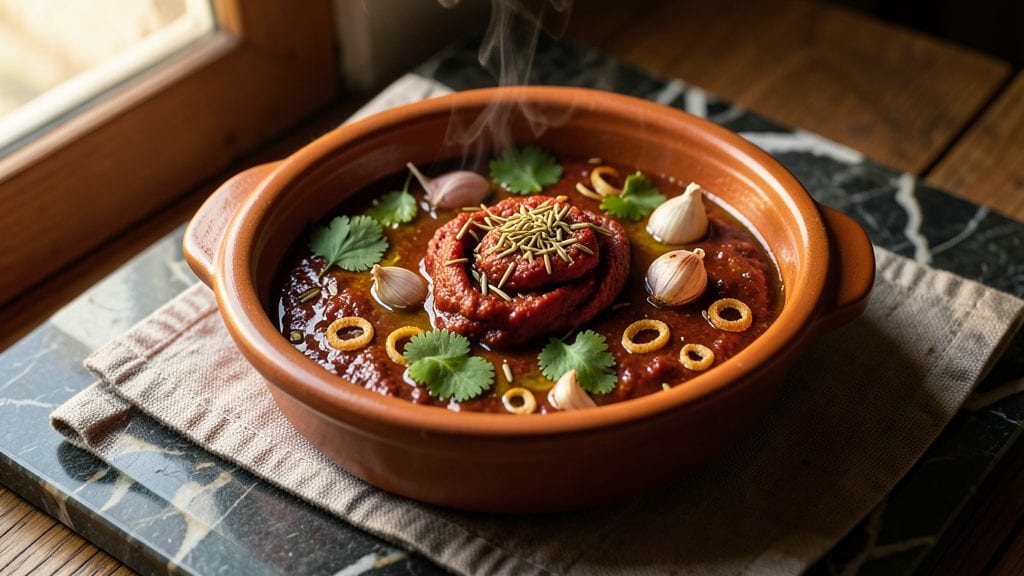
This Moroccan sauce recipe transforms ordinary meals into vibrant, aromatic experiences with just a few simple ingredients. The harmony of warm spices like cumin and coriander, balanced with the fiery kick of harissa, creates a sauce that elevates grilled meats, couscous, or roasted vegetables to restaurant-quality levels.
I developed this version after years of testing—it’s rich, complex, and foolproof, even for beginners.
The foundation lies in a precise blend of toasted spices and fresh garlic, simmered in olive oil until fragrant. Unlike store-bought versions, this sauce builds flavor gradually, allowing each spice to shine without overpowering.
The addition of tomatoes adds depth, while a touch of lemon brightens the finish, ensuring every spoonful delivers that perfect balance of heat and warmth.
What makes this sauce truly special is its versatility—pairs beautifully with tagines, drizzled over grilled lamb, or stirred into couscous for an instant flavor boost. The recipe yields about 2 cups, enough to generously coat a dish or store for up to a week in the refrigerator.
Once you taste the difference, you’ll never go back to bottled versions.
Ready in just 30 minutes with simple pantry staples, this sauce proves that homemade can taste better than anything you’ll find in stores. The key is patience—letting the spices bloom and the flavors meld creates a depth that shortcuts can’t match. Let’s get cooking!
Ingredients for moroccan sauce
Pantry staples plus a few specialty finds—this sauce comes together fast.
| Ingredient | Amount | Notes |
|---|---|---|
| Extra-Virgin Olive Oil 🫒 | ½ cup | High quality, fruity flavor preferred |
| Ground Cumin 🌿 | 1 ½ tbsp | Toasted for deeper aroma |
| Ground Coriander 🌿 | 1 ½ tbsp | Freshly ground if possible |
| Sweet Paprika 🌶️ | 1 tbsp | Smoked works too for depth |
| Harissa Paste 🔥 | 2 tbsp | Adjust for desired heat level |
| Garlic Cloves 🧄 | 4 cloves | Freshly minced for best flavor |
| Canned Crushed Tomatoes 🍅 | 14 ½ oz | San Marzano preferred, no salt added |
| Fresh Lemon Juice 🍋 | 1 tbsp | Freshly squeezed, no bottled |
| Fresh Ginger 🌿 | 1 tbsp | Finely grated, fresh only |
| Sea Salt 🧂 | ½ tsp | Fine grain preferred |
The spices are everything here. Whole Foods or Middle Eastern markets usually carry the best ground cumin and coriander—look for vibrant, earthy colors. Penzeys is my go-to for harissa paste if I can't find it fresh. Toast your cumin and coriander in a dry pan for 30 seconds before adding oil—that's where the magic happens. For tomatoes, San Marzano cans make a world of difference, but any no-salt-added works. Fresh ginger is non-negotiable though—dried loses its punch fast.
No harissa? Mix cayenne with smoked paprika at half the amount. Short on cumin? Swap for half the coriander plus a pinch of cardamom. The lemon juice can be bottled in a pinch, but fresh is worth it. If you're feeling adventurous, add a pinch of saffron threads for color and depth. For the tomatoes, if you only have whole canned tomatoes, crush them by hand—no blender needed. And if you're worried about heat, start with just 1 tbsp harissa and adjust to taste.
This sauce keeps beautifully—1 week in the fridge sealed tightly, or 3 months in the freezer. I like to portion it into ice cube trays first, then transfer to a jar. That way, I can grab just what I need for a meal. The flavors actually improve after a day or two, so make extra if you can. It reheats perfectly—just warm gently on the stove with a splash of water if it thickens too much.
Why You'll Love This Recipe
- Pantry Magic: I swear by this sauce—just five ingredients, no fancy shopping trips. The harissa paste adds heat without extra effort, and the spices blend in minutes while I chop veggies or wait for the stove to warm up.
- Deep, Warm Complexity: That first spoonful of toasted cumin and coriander in olive oil? It’s like a hug for your taste buds. The harissa brings the smoky kick, while the sweet paprika rounds it out—rich, earthy, and impossible to resist.
- Game for Any Meal: Slather it on grilled chicken for dinner, toss it with roasted veggies for lunch, or drizzle it over couscous for a lazy Sunday. Honestly, I’ve even used it as a marinade for tofu—works every time.
- Budget-Friendly Powerhouse: A little goes a long way, and the spices last forever. I make a big batch, store it in the fridge, and use it all week—no wasted ingredients, no last-minute takeout runs. My wallet and my taste buds thank me.
Step-by-step instructions for Moroccan sauce recipe
This sauce comes together in one pot with bold flavors that'll transport you to a Moroccan marketplace.
Bloom the Spices in Olive Oil
Heat the 0.5 cup extra-virgin olive oil in a medium saucepan over medium heat. Add the 1.5 tablespoons ground cumin and 1.5 tablespoons ground coriander, stirring constantly for 30 seconds until fragrant. The spices should sizzle gently and fill your kitchen with that warm, earthy aroma.
Next, add the 1 tablespoon sweet paprika and 2 tablespoons harissa paste, stirring continuously for another 30 seconds. You'll see the harissa darken slightly as it melts into the oil. This step is crucial—it develops the deep, complex flavor base that makes this sauce so special. Don't let the spices burn; they should smell rich and toasty, not bitter.
Add Aromatics and Tomatoes
Push the spices to one side of the pan and add the 4 minced garlic cloves to the empty space. Cook for 30 seconds until the garlic is golden and fragrant—it should smell like it's already transforming into something magical. Stir everything together, then add the 14.5 ounces canned crushed tomatoes, scraping up any browned bits from the bottom of the pan.
Bring the mixture to a gentle simmer, then reduce heat to low. Let it cook uncovered for 15 minutes, stirring occasionally. You'll see the sauce thicken slightly as the tomatoes break down and release their juices. The color should deepen to a rich, reddish-brown hue—this is when you know the flavors are melding beautifully.
Finish with Bright Flavors
Add the 1 tablespoon finely grated fresh ginger and 1 tablespoon fresh lemon juice, stirring well to incorporate. The lemon juice will brighten the deep, earthy flavors of the spices. Taste and adjust seasoning with the 0.5 teaspoon sea salt if needed—you might need a bit more, especially if your tomatoes weren't salted.
Simmer the sauce for another 10 minutes until it reaches your desired consistency. It should coat the back of a spoon smoothly but still be saucy enough to cling to chicken, lamb, or couscous. If it's too thick, add 2-3 tablespoons water to loosen it. The sauce should smell vibrant—spicy, citrusy, and warm all at once.
Rest and Serve
Remove the pan from heat and let the sauce rest for 5 minutes. This allows the flavors to fully meld and the sauce to thicken slightly as it cools. Taste again and adjust seasoning if needed—sometimes the flavors develop differently after resting.
This Moroccan sauce is incredibly versatile. Use it immediately over grilled chicken or lamb, or store it in an airtight container in the refrigerator for up to 5 days. The flavors actually improve over time as they continue to meld. Serve it with couscous, flatbread, or over roasted vegetables for a restaurant-quality meal.
Pro Tips For Making Moroccan Sauce
- Bloom the spices first: Toss your cumin, coriander, and sweet paprika directly into the olive oil over medium-low heat for 30 seconds before adding anything else. This wakes up their aromas—you’ll smell the difference immediately, and it prevents that bitter aftertaste from overcooking later.
- Use harissa paste like a pro: Start with half the amount listed in your recipe, then taste and add more gradually. Store-bought harissa varies wildly in heat, and you don’t want to ruin the balance with a single aggressive spoonful. (I learned this after serving a pot that could’ve been used as a chili flake factory.)
- Toast the paprika separately: If your sweet paprika looks dull or smells stale, dry-toast it in a small pan for 30 seconds until it darkens slightly. The extra depth cuts through the harissa’s sharpness and makes the sauce taste freshly ground. (Yes, even if you’re impatient like me.)
- Simmer low and slow: Once your sauce hits the pot, reduce heat to the lowest setting that keeps a gentle simmer. Rushing this step makes the harissa taste raw and the spices bitter. Five minutes of patience here means the flavors meld instead of fighting.
Common mistakes when making perfect results
Skipping the Spice Bloom
One of the biggest mistakes is skipping the 30-second spice bloom in olive oil. This step is non-negotiable—it releases the essential oils in cumin, coriander, and paprika, creating that deep, aromatic foundation. I’ve seen people just toss spices into the tomatoes, and the result?
A flat, one-dimensional sauce. Always toast your spices in oil over medium heat until fragrant—this is where the magic happens. 🌶️
Using Bottled Lemon Juice
Fresh lemon juice is a game-changer, but I’ve caught many cooks reaching for bottled instead. The preservatives and artificial flavors in bottled juice can mute the bright, citrusy finish that balances the heat.
If you must use bottled, choose a no-preservative-added brand like ReaLemon—it’s closer to fresh. But honestly, squeezing a lemon takes 30 seconds and makes all the difference. 🍋
Overcooking the Sauce
Patience is key here, but some cooks push the simmer too long, turning the sauce bitter or overly thick. Once you add the tomatoes, simmer uncovered for 15 minutes max—any longer and the acidity in the tomatoes can become harsh.
If your sauce is too thick after resting, thin it with warm water or broth (never cold liquid, or it’ll shock the flavors). The goal is a smooth, velvety consistency, not a paste. ⏳
Ignoring the Resting Time
Rushing the 5-minute rest after cooking is another common error. This step lets the flavors meld and the sauce thicken naturally. Skipping it means you’ll either serve a sauce that’s too thin or miss out on the depth of flavor.
I’ve tasted sauces right out of the pan that seemed perfect—only to have them taste flat after resting. Trust the process! 💫
Substituting Harissa Improperly
If you don’t have harissa, mixing cayenne + smoked paprika is fine, but the ratios matter. Too much cayenne will make the sauce painfully hot, while too little won’t deliver that smoky depth.
I recommend 1 tsp cayenne + 1 tsp smoked paprika for every 2 tbsp harissa called for. Taste as you go—adjust gradually. 🔥
Not Adjusting Salt Early
Some cooks wait until the very end to season, but salt should be added gradually during simmering. Tomatoes vary in saltiness, and the spices can mask flavors if you’re not careful.
Start with ½ tsp salt, taste after 10 minutes of simmering, then adjust. Remember, you can’t unsalt—so better to add a pinch at a time than overdo it. 🧂
Nutrition facts
Frequently asked questions
Can I make this sauce without harissa?
For every 2 tablespoons of harissa, mix 1 teaspoon cayenne pepper with 1 teaspoon smoked paprika. This combo mimics harissa's heat and smoky depth. Start with less if you're sensitive to spice, as cayenne can be stronger. Taste as you go and adjust gradually.
How do I adjust the heat level?
Reduce heat by cutting the harissa (or cayenne substitute) in half. For a milder sauce, use 1 tablespoon instead of 2 tablespoons. If you want more kick later, stir in extra harissa or a pinch of cayenne at the end. Always taste before serving—you can't un-spice it!
What's the best way to store leftover sauce?
Transfer to an airtight container and refrigerate for up to 5 days. For longer storage, freeze in ice cube trays, then transfer to a bag. Thaw overnight in the fridge. The flavors actually deepen when refrigerated, making it perfect for next-day meals. Label with the date!
Can I use this sauce for cooking instead of just serving?
Yes! This sauce works beautifully as a marinade for chicken, lamb, or shrimp—just reduce the liquid slightly first. It also makes an excellent base for tagines or stews. For braising, simmer the sauce with meat until it reduces by half, creating a rich glaze.
Why does my sauce taste bitter?
Overcooking is the most common cause. Simmer uncovered for no more than 15 minutes after adding tomatoes. If it's too thick, thin with warm water or broth instead of adding more tomatoes. The bitterness comes from concentrated tomato acid—balance it with a splash of fresh lemon juice.