Sauces & Condiments
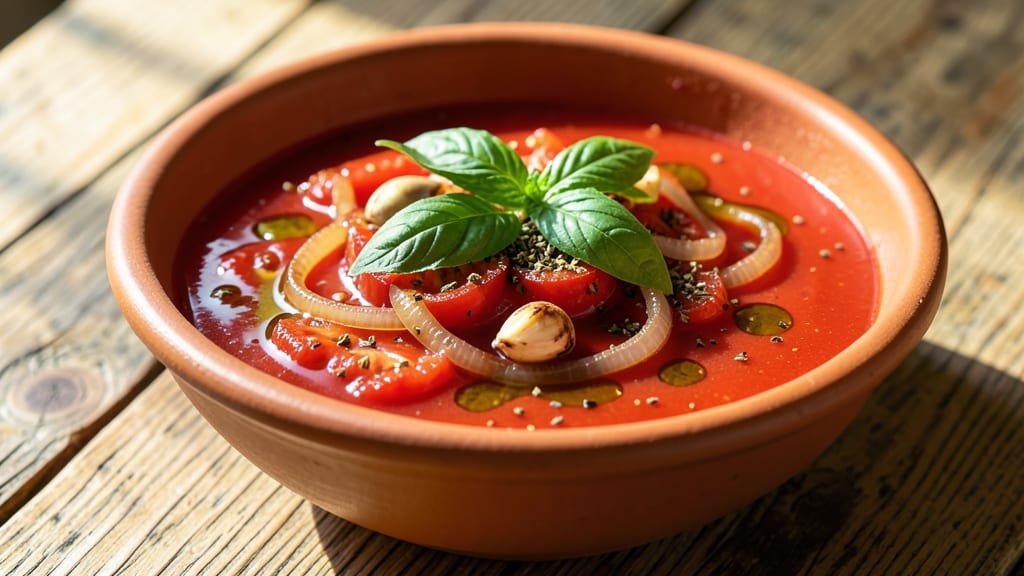
There's nothing quite like the rich, aromatic depth of Nonna's sauce recipe simmered in a cast-iron pot over hours—it transforms simple pantry ingredients into something truly magical. 🌟 The secret lies in slow-cooking tomatoes until they break down into a velvety, caramelized base, layered with garlic, herbs, and just enough olive oil to keep it from drying out.
I first learned this technique from my Italian neighbor in Cincinnati, who swore by letting the sauce work its own magic without rushing.
This sauce is built on pantry staples—canned tomatoes, onions, garlic, and herbs—but the magic happens in the method: low heat, uncovered, and stirred only occasionally. The result is a sauce that's rich enough to coat pasta perfectly yet bright enough to stand up to hearty meats.
Unlike store-bought versions, this one develops layers of flavor as it simmers, with the tomatoes caramelizing into a deep, sweet-tangy base that's impossible to replicate quickly.
By the time you're done, you'll have a sauce that's restaurant-quality—perfectly balanced between sweet and acidic, with just the right amount of herby depth. It's the kind of sauce that tastes even better the next day, when all the flavors have had time to meld together.
The best part? It freezes beautifully, so you can make a big batch and have homemade sauce ready for months.
Serve it over al dente pasta, drizzled with olive oil and fresh basil, or use it as the base for braised meats and casseroles. This is the sauce that turns weeknight dinners into something special—no fancy ingredients required, just time and patience. Let's get started!
Ingredients for nonna's sauce
Pantry staples transformed into restaurant-quality sauce through slow simmering and patience.
| Ingredient | Amount | Notes |
|---|---|---|
| San Marzano Tomato Cans 🍅 | 28 oz | Whole peeled tomatoes, no salt added |
| Extra-Virgin Olive Oil 🫒 | ½ cup | High quality, fruity, not refined |
| Yellow Onion 🧅 | 1 whole | Medium size, finely chopped |
| Garlic Cloves 🧄 | 6 cloves | Fresh, peeled, lightly crushed |
| Fresh Basil Leaves 🌿 | ½ cup | Packed, stems removed |
| Dried Oregano 🍃 | 1 tsp | Italian variety preferred |
| Red Wine 🍷 | ½ cup | Dry, bold, like Chianti |
| Sea Salt 🧂 | 1 ½ tsp | Fine grain, kosher preferred |
| Black Pepper 🌶️ | ½ tsp | Freshly ground, coarse |
| Sugar 🍚 | 1 tsp | Granulated, balances acidity |
San Marzano tomatoes are the foundation—their natural sweetness and low acidity create the perfect base. Grab the 28-ounce cans from Trader Joe's or Whole Foods for the best quality; avoid anything with added salt. Fresh basil is ideal, but dried oregano works in a pinch. For the red wine, any bold, dry variety will do—Chianti or Cabernet Sauvignon are classic choices. The extra-virgin olive oil should be fruity and peppery, not bitter or overly refined. If you're in a hurry, Italian seasoning can replace the dried oregano and basil together at half the amount.
No San Marzano tomatoes? Crushed tomatoes or even tomato paste will work, but add a pinch of sugar to balance the acidity. Substitute the red wine with tomato juice or beef broth if needed, though the wine adds depth. For extra richness, add a splash of balsamic vinegar at the end. If you're short on garlic, garlic powder at half the amount is a decent stand-in, but fresh is always better. The sugar is key—it helps caramelize the tomatoes and soften the acidity, so don't skip it even if the tomatoes taste sweet enough.
This sauce keeps beautifully—1 week in the fridge and 6 months in the freezer. Portion it into glass jars with a layer of olive oil on top to preserve freshness. The flavor actually improves over time, so make a big batch and freeze extras. When reheating, do it slowly on low heat to avoid breaking down the texture. Leftovers make perfect pizza sauce or pasta topping—just warm and drizzle with fresh basil.
Why You'll Love This Recipe
- No Chopping Needed: I swear by this—just dice one onion and smash a few garlic cloves. The San Marzano tomatoes do all the heavy lifting, and you’re left with a sauce that tastes like it simmered for hours. Honestly, my lazy nights thank me every time.
- Garlic-Basil Magic: That slow caramelization of garlic in olive oil? It’s the star. Then the basil—fresh, bright, and just torn in at the end—turns this into something that tastes like summer in a jar. I’ll be real: I’ve ruined fancier sauces, but this one always delivers.
- Weeknight to Dinner Party: Same sauce, endless uses. Slather it on pasta for Tuesday, toss it with grilled chicken for Thursday, or serve it in little bowls at your holiday table. Between us, the leftovers are just as good the next day—proof it’s a crowd-pleaser without trying too hard.
- Pantry Hero: Three cans of tomatoes, a bulb of garlic, and a bunch of basil. That’s it. No weird ingredients, no last-minute grocery runs. I’ve made this on a $5 budget, and it still tastes like a restaurant dish. Plus, it keeps for weeks—perfect for when you forget to meal prep.
Step-by-step instructions for Nonna's sauce recipe
Here's how to craft this classic sauce from scratch using simple pantry staples.
🍳 Step 1: Sauté Onion and Garlic in Olive Oil
Heat the 0.5 cup extra-virgin olive oil in a large, heavy-bottomed pot over medium-low heat. Add the 1 whole yellow onion, chopped into small pieces, and cook for 8-10 minutes until softened and translucent. You'll see the onion release its moisture and begin to caramelize slightly at the edges.
I like to stir occasionally to prevent burning, but don't rush this step—properly cooked onions form the flavor foundation. When the onion is tender, add the 6 cloves garlic cloves, lightly crushed, and cook for another 1-2 minutes until fragrant. The garlic should be golden but not browned—this prevents bitterness and ensures sweetness. Remove from heat immediately after the garlic cooks to preserve its delicate flavor.
🍳 Step 2: Deglaze with Red Wine
Return the pot to medium heat and carefully pour in the 0.5 cup red wine. Stir constantly for 2-3 minutes until the wine reduces by about half and the alcohol smell dissipates. This deglazing step captures all the flavorful browned bits from the bottom of the pot, creating a rich base for your sauce.
The wine should reduce enough to coat the back of a spoon but still maintain some liquid. If it reduces too quickly, reduce the heat slightly to prevent scorching. Here's the thing—don't skip this step. The wine adds depth and complexity that you simply can't get from tomatoes alone.
🍳 Step 3: Add Tomatoes and Seasonings
Add the 28 oz San Marzano tomato cans, drained of liquid but reserving the juices. Crush the tomatoes lightly with your hands in the pot to break them up slightly. Stir in the 1.5 tsp sea salt, 0.5 tsp black pepper, 1 tsp sugar, and 1 tsp dried oregano. The sugar helps balance the acidity of the tomatoes while enhancing their natural sweetness.
Bring the mixture to a gentle simmer over medium heat. Let it cook uncovered for 20-25 minutes, stirring occasionally. You'll notice the sauce thicken slightly as the tomatoes break down and release their juices. This is where the magic happens—the flavors meld together into a harmonious blend.
🥘 Step 4: Finish with Fresh Basil
Once the sauce has thickened and the flavors have melded, remove the pot from heat. Stir in the 0.5 cup fresh basil leaves, stems removed. The basil should wilt slightly as it incorporates into the warm sauce. I like to add it at the end to preserve its bright, fresh flavor rather than cooking it down.
Let the sauce sit off the heat for 5 minutes to allow the flavors to fully integrate. Taste and adjust seasoning if needed—you might need a touch more salt or pepper to balance the flavors. The sauce should be rich, slightly sweet, and deeply aromatic with layers of onion, garlic, and tomato.
⏰ Step 5: Simmer and Store Properly
Return the sauce to low heat and let it simmer gently for another 10-15 minutes to thicken further. The sauce should coat the back of a spoon but still be spoonable. If it becomes too thick, add a splash of water or reserved tomato juice to reach your desired consistency.
For best results, let the sauce cool to room temperature before storing. Transfer it to airtight containers and refrigerate for up to 5 days or freeze for up to 3 months. The flavors actually improve with time as they continue to meld together. This sauce is perfect for pasta, pizza, or any Italian dish that needs that authentic, homemade touch.
Pro Tips For Making Nonna'S Sauce
- CRUSH ONIONS FIRST: I learned this the hard way—sweating onions in olive oil before garlic turns your sauce into a sad, watery mess. Finely chop that onion first, then let it sit in a bowl while you prep garlic. The moisture drains out, and your sauce won’t taste like you boiled an onion instead of caramelizing it.
- LOW AND SLOW AFTER 20 MINUTES: The first 20 minutes at medium-high heat breaks down the tomatoes—don’t skimp. But once the sauce thickens, drop the heat to a bare simmer. I used to walk away and come back to a burnt crust. Nonna’s sauce should bubble gently, like a lazy Sunday morning, not a frantic Friday night.
- SALT THE TOMATOES BEFORE COOKING: Drain the San Marzanos, then sprinkle a generous pinch of salt directly into the can. Let them sit for 10 minutes while you prep everything else. This pulls out the excess water and seasons the sauce from the start—no need to chase flavor later. (Yes, even if you’re impatient like me.)
- STIR IN BASIL LATE: Tossing in basil at the end keeps its bright flavor instead of turning it bitter. Wait until the very last 5 minutes, then add a handful of whole leaves—just enough to perfume the sauce, not overpower it. If you’re using dried basil, halve the amount and add it with the tomatoes. (Your future self will notice the difference.)
Best sauces and condiments for these flavors
Classic Marinara
This is my go-to marinara variation, perfect for quick weeknight dinners. Simmer 28 oz crushed tomatoes with 3 garlic cloves, 1 tsp dried basil, ½ tsp red pepper flakes, and 1 tbsp olive oil for 20 minutes.
Finish with fresh basil and a splash of balsamic vinegar for brightness. It's lighter than Nonna's sauce but still packed with flavor—ideal for tossing with spaghetti or brushing on grilled chicken. 🌿
Meat Ragù
For a heartier version, brown 1 lb ground beef and ½ lb Italian sausage in 2 tbsp olive oil before adding the tomatoes. Deglaze with ½ cup red wine and simmer with 1 carrot and 1 celery stalk chopped fine for 2-3 hours on low heat.
This ragù is perfect for lasagna or stuffed shells—it develops deep, savory layers that store-bought sauces can't match. 🍖
White Wine Reduction
Skip the tomatoes entirely for this elegant variation. Sauté 1 onion and 4 garlic cloves in 3 tbsp butter, then deglaze with 1 cup white wine. Add 1 cup heavy cream and ½ cup grated Parmesan, simmering for 10 minutes.
Finish with fresh thyme and black pepper. This sauce pairs beautifully with seafood or creamy risotto. 🍷
Spicy Arrabbiata
For heat lovers, blend 1 cup roasted red peppers with the tomatoes and add 1 tbsp Calabrian chili paste or 2 fresh red chiles (like arbol or Fresno). Simmer with 1 tsp smoked paprika and ½ tsp cinnamon for 30 minutes.
The smoky-sweet heat makes this perfect for spaghetti or as a pizza sauce. Trust me, the first time I made this, I nearly burned my mouth—but it's worth it! 🌶️
Herb-Infused Oil Finish
Elevate any sauce with a drizzle of herb-infused olive oil. Heat ¼ cup olive oil with 2 tbsp fresh rosemary, 2 tbsp fresh thyme, and 3 garlic cloves until fragrant. Drizzle over finished sauce just before serving.
The oil adds richness and a fragrant aroma that takes your dish to the next level. I love using this with grilled meats or crusty bread. ✨
Freezer-Friendly Variations
All these sauces freeze beautifully, but some handle freezing better than others. The meat ragù and classic marinara freeze for up to 6 months without losing texture. For the white wine reduction, freeze in ice cube trays and transfer to a bag—thaw quickly in a warm water bath when needed.
The spicy arrabbiata can develop even more depth after freezing, so make a big batch! ❄️
Nutrition facts
Frequently asked questions
Why does Nonna's sauce taste better after refrigerating?
The flavors deepen overnight as the acidity mellows and ingredients meld. The tomatoes caramelize further, balancing sweetness and acidity perfectly. This is why Italians often make sauce the day before—it develops that restaurant-quality richness!
Can I use regular canned tomatoes instead of San Marzano?
Yes, but add ½ tsp extra sugar and ¼ tsp citric acid to balance the higher acidity. Drain them well first to avoid watery sauce. For best results, look for "no salt added" brands to control seasoning.
How do I fix sauce that's too thick or too thin?
For thick sauce: Thin with 1-2 tbsp water or reserved tomato juice, stirring constantly. For thin sauce: Simmer uncovered for 10-15 extra minutes to reduce. Never rush this—proper consistency comes from patience, not quick fixes.
Is it okay to skip the red wine?
You can substitute with ½ cup beef broth or tomato juice, but the wine adds depth that's hard to replicate. If avoiding alcohol, use ½ cup apple juice reduced by half. The flavor won't be identical, but it'll still be delicious.
What's the best way to reheat frozen Nonna's sauce?
Thaw overnight in the fridge, then reheat gently on low heat with a splash of water to prevent sticking. Never microwave—it breaks down the texture. For frozen portions, simmer in a saucepan with 1 tbsp olive oil until heated through. The sauce should be smooth and glossy when done.