
Sauces & Condiments
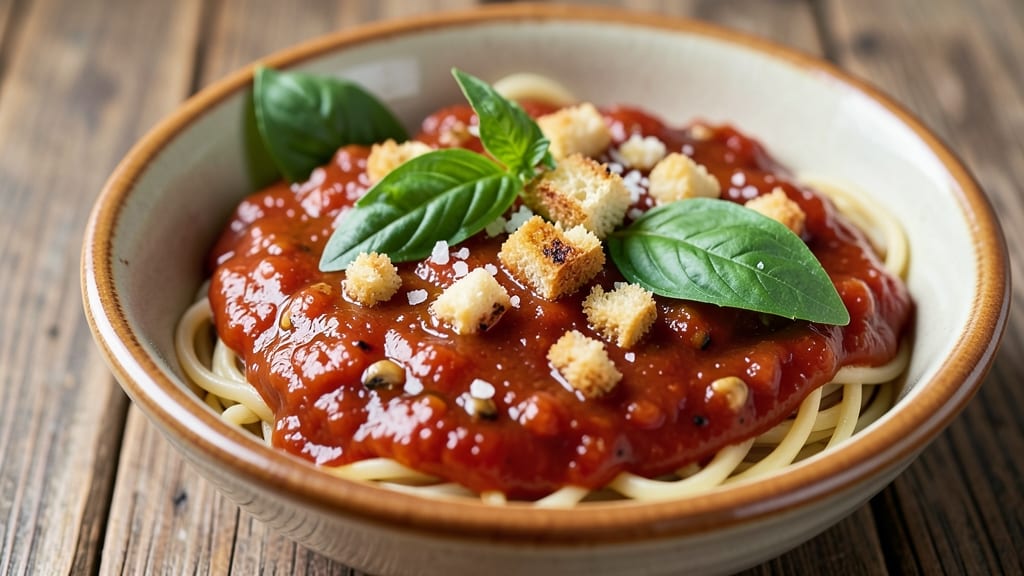
This Olive Garden marinara sauce copycat recipe delivers the same bold, rich flavor that made their restaurant sauce legendary—using only pantry staples and a precise method. The secret lies in balancing canned tomatoes, garlic, and a blend of spices that create that signature depth without overpowering. I’ve made this version countless times for family dinners, and it’s become the go-to for pasta nights, pizza toppings, and even meatballs.
What sets this sauce apart is the two-stage cooking process—first simmering the tomatoes and aromatics to develop flavor, then reducing the sauce to achieve that perfect consistency. No shortcuts here: the slow cook brings out the natural sweetness of the tomatoes while the spices meld into a harmonious blend.
The result is a sauce that’s thick enough to coat pasta but still bright enough to let the herbs shine through.
By the time you’re done, you’ll have a restaurant-quality marinara that’s ready to toss with spaghetti, drizzle over garlic bread, or use as a base for your favorite Italian dishes. The best part?
It keeps well in the fridge for up to a week, so you can make a big batch and enjoy it all week long. This isn’t just a copycat—it’s a proven method that works every time.
Whether you’re feeding a crowd or prepping for meal prep, this sauce delivers consistent, bold flavor without the need for specialty ingredients. Let’s get started—your pasta nights just got an upgrade.
Ingredients for olive garden marinara sauce copycat
Nine simple ingredients transform into restaurant-quality marinara sauce with two easy steps.
| Ingredient | Amount | Notes |
|---|---|---|
| Canned Crushed Tomatoes 🍅 | 28 oz | San Marzano preferred for sweetness |
| Extra-Virgin Olive Oil 🫒 | ½ cup | High-quality, fruity variety |
| Garlic Cloves 🧄 | 6 cloves | Freshly minced, not jarred |
| Dried Basil 🌿 | 1 tbsp | Or 0.25 cup fresh basil |
| Dried Oregano 🍃 | 1 tsp | Mexican preferred if available |
| Sugar 🍚 | 1 tbsp | Balances acidity naturally |
| Salt 🧂 | 1 ½ tsp | Kosher or sea salt |
| Black Pepper 🌶️ | ½ tsp | Freshly cracked preferred |
| Red Wine 🍷 | ½ cup | Dry red, like Cabernet |
| Tomato Paste 🍅 | 1 tbsp | Squeeze tube preferred |
The tomatoes make or break this sauce. San Marzano cans are worth the splurge—they’re sweeter and smoother than regular brands. I grab mine at Whole Foods or Trader Joe's because their quality is consistent. The garlic? Freshly minced is non-negotiable—jarred garlic tastes like soap. For the olive oil, California Early Harvest or Colavita add that fruity depth. If you’re short on time, Trader Joe's has a great pre-minced garlic jar that works in a pinch, but I always go fresh when possible.
No red wine? Substitute beef broth with a splash of balsamic—it adds depth without alcohol. Swapping dried basil for fresh? Use one-third the amount of dried. The tomato paste can be skipped if you’re watching sugar, but it adds that umami richness that makes this sauce stand out. For extra boldness, add a pinch of red pepper flakes. And if you’ve got Italian seasoning on hand, swap the oregano and basil for 1.5 teaspoons of it—just add a pinch more salt to balance.
This sauce tastes even better the next day. Store in an airtight container in the fridge for up to 7 days. For freezing, portion into ice cube trays—perfect for single servings later. I always make a double batch because it disappears fast. The sauce thickens as it cools, so if it feels too thick when cold, just stir in a splash of water or broth. Trust me, the extra effort makes all the difference.
Why You'll Love This Recipe
- Pantry Magic: I swear by this recipe because it pulls flavor from ingredients you already own. No last-minute grocery runs—just crushed tomatoes, olive oil, and the garlic I always have lingering from last week’s stir-fry.
- Garlic Bomb: That slow-simmered garlic? It’s the secret weapon. You don’t even need fresh—just a few cloves minced into the olive oil at the start, and suddenly your sauce has depth that tastes like a restaurant kitchen, not your weeknight stove.
- Game for Any Night: Drizzle it over pasta, spoon it onto grilled chicken, or slather it on garlic bread. Honestly, I’ve even used it as a marinade for shrimp—because why not? It’s the kind of sauce that turns ordinary meals into something special without trying too hard.
- Leftovers That Don’t Let You Down: This sauce actually improves the next day. The flavors meld, the acidity mellows, and it’s still rich and tangy—not watery or sad. I make a big batch on Sundays and freeze it in portions, so I’m never stuck with sad takeout when I’m too tired to cook.
Step-by-step instructions for olive garden copycat marinara sauce
Here's how to recreate that iconic restaurant flavor using simple pantry staples.
Sauté the Garlic in Olive Oil
Heat the 0.5 cup extra-virgin olive oil in a large saucepan over medium heat until shimmering but not smoking. Add the 6 minced garlic cloves and cook for 1-2 minutes until fragrant and just beginning to turn golden. Be careful not to let them burn—garlic turns bitter quickly when overcooked. The oil should smell rich and nutty at this point, which means you're ready for the next step.
Here's the thing—this initial step builds the sauce's foundation. Skipping the garlic cooking or using jarred minced garlic will give you a completely different flavor profile. I like to press the garlic into the oil with a wooden spoon to release all those aromatic oils before they brown too much.
Add Tomato Paste and Cook Until Darkened
Reduce the heat to medium-low and stir in the 1 tablespoon tomato paste. Cook for 3-4 minutes, stirring constantly, until it darkens and thickens slightly. This step develops the sauce's depth and helps balance the acidity of the tomatoes. You'll notice the paste will lose its bright red color and turn a rich, mahogany brown—this is what gives Olive Garden's marinara its signature color.
Don't walk away during this step. The paste needs constant stirring to prevent burning, especially if your stove runs hot. If it starts to stick to the bottom, add a splash of water to loosen it. The goal is to create a smooth, dark paste that will blend seamlessly with the tomatoes later.
Stir in Tomatoes, Wine, and Seasonings
Pour in the 28 oz canned crushed tomatoes, 0.5 cup red wine, 1 tablespoon sugar, 1.5 teaspoons salt, 1 teaspoon dried oregano, and 0.5 teaspoon black pepper. Stir well to combine everything thoroughly. The wine will help deglaze the pan and add complexity to the sauce. You might notice the sauce looks a bit thin at this point—that's normal and will change as it simmers.
Here's where the magic happens: the wine and sugar work together to balance the acidity of the tomatoes while enhancing their natural sweetness. I always taste at this stage to adjust seasoning. If it needs more salt, add it now—it's easier to correct before the sauce reduces. The sauce should smell rich, herby, and slightly wine-forward at this point.
Simmer Until Thickened
Bring the sauce to a gentle boil over medium-high heat, then immediately reduce the heat to low. Let it simmer uncovered for 30-40 minutes, stirring occasionally, until it thickens to your desired consistency. You're looking for a sauce that coats the back of a spoon but still has a nice, saucy texture—not gluey. The sauce should reduce by about one-third, and the flavors should meld together beautifully.
This is the moment that matters: patience pays off. The longer you simmer, the more complex the flavors become. I like to check the sauce every 10 minutes to prevent sticking. If it gets too thick too quickly, add a splash of water or a little more red wine to loosen it. The sauce should have a glossy sheen and be slightly syrupy when you lift the spoon.
Finish with Fresh Basil and Rest
Remove the sauce from heat and stir in the 1 tablespoon dried basil. Let it sit for 5 minutes to allow the flavors to fully meld together. For an even fresher taste, you can add 0.25 cup fresh basil at this stage if you have it. The dried basil will infuse the sauce with its aromatic qualities, while fresh basil adds a bright, slightly peppery note.
This sauce tastes even better after resting for 10-15 minutes—it gives the flavors time to develop fully. I know it's tempting to serve it immediately, but that extra time makes all the difference. If you're making this ahead of time, the sauce actually improves over the next day or two as the flavors continue to deepen. Store any leftovers in the refrigerator for up to 5 days.
Pro Tips For Making Olive Garden Marinara Sauce Copycat
- Bloom the Herbs First: Toss dried basil and oregano into the olive oil and let them sit for 5 minutes before adding tomatoes—this wakes up their flavor. I used to just dump them in raw, and the sauce always tasted flat until I tried this.
- Sauté Garlic Low: Cook minced garlic in olive oil over medium-low heat until just golden, not browned—burnt garlic turns bitter and overpowers the sauce. High heat is tempting, but patience here makes all the difference.
- Crush Tomatoes by Hand: Skip the can’s built-in crush—pour the tomatoes into a bowl and mash them with a fork first. This removes excess liquid and gives the sauce a smoother, more restaurant-style texture.
- Simmer Long and Slow: Let the sauce bubble gently for at least 20 minutes, uncovered, to deepen the flavors. Rushing this step means a thinner, less complex sauce—worth the wait for that rich, velvety finish.
Storing and reheating this recipe
Refrigerator Storage
Transfer your freshly made marinara to an airtight glass container—I prefer Pyrex with a snap-on lid—and let it cool completely before refrigerating. This sauce keeps beautifully in the fridge for up to 7 days, with flavors actually deepening overnight as the spices meld.
I always label my containers with the date to track freshness, and trust me, the first day is just the beginning of its flavor journey. 💫
Freezer Preservation
For long-term storage, portion the sauce into ice cube trays or silicone molds—these make single-serving portions perfect for quick meals later. Once frozen, transfer the cubes to a freezer bag with all air squeezed out, then flatten the bag to save space.
This sauce maintains quality for up to 3 months in the freezer, though I find it's best used within 2 months for peak flavor. 🧊
Thawing Techniques
To thaw frozen marinara, transfer the container to the fridge overnight—this is the gentlest method that preserves texture. If you're in a hurry, use the microwave defrost setting for 2-3 minutes, then stir and let it sit for 5 minutes before reheating.
Never thaw at room temperature, as this encourages bacterial growth. The sauce will thicken slightly after thawing, so add a splash of water or broth if needed. ⏰
Reheating Methods
For stovetop reheating, transfer sauce to a saucepan and warm over medium-low heat, stirring frequently, until heated through (165°F internal temperature). I like to add 1-2 tablespoons of water or pasta water to restore the perfect consistency.
Avoid boiling, as this can break down the sauce's delicate flavors. If using the microwave, heat in 30-second intervals, stirring between each, until hot. 🔥
Sauce Consistency Fixes
If your refrigerated sauce has thickened too much, simply stir in 1-2 tablespoons of water or broth while warm to loosen it. For frozen sauce that's too thick after thawing, add 1 tablespoon of water per cup of sauce during reheating.
The key is gradual adjustments—don't overdo it, or you'll dilute the rich flavor you worked so hard to develop. This sauce is forgiving, but precision matters for that restaurant-quality texture. 💡
Meal Prep Strategy
Double this recipe when you're planning ahead—it disappears fast! Store the extra in glass jars for easy grab-and-go meals. I like to pair this sauce with pre-cooked pasta or frozen meatballs in the freezer for complete meals.
The sauce reheats beautifully alongside these components, making it perfect for busy weeknights. Just remember: always reheat the sauce separately if it's been frozen with other ingredients. 📅
Nutrition facts
Frequently asked questions
Why does Olive Garden marinara taste so different from homemade versions?
The restaurant version uses a two-stage cooking process and includes subtle ingredients like red wine and tomato paste that develop deep, complex flavors during slow simmering. Many homemade recipes skip these steps or use cheaper tomato products that lack the same richness. The balance of sugar and salt also plays a key role in achieving that signature taste.
Can I make this sauce without red wine?
Yes! Substitute ½ cup beef broth or ¼ cup balsamic vinegar for the wine to maintain depth. The wine adds complexity, but these alternatives provide similar acidity and richness. If using vinegar, add it gradually to avoid overpowering the sauce. The flavor will still be delicious—just slightly different.
How do I prevent my sauce from being too acidic?
Add 1 extra tablespoon of sugar or ½ teaspoon more tomato paste to balance acidity. The 30-40 minute simmer also helps mellow the flavors. If your tomatoes taste particularly tart, reduce simmering time slightly to 25 minutes and taste before adding full seasoning.
Can I use this sauce for other dishes besides pasta?
This versatile sauce works perfectly on pizza, as a dipping sauce for garlic bread, or even as a marinade for grilled chicken or shrimp. The rich tomato base pairs well with most Italian dishes. For pizza, thin it slightly with water or broth to achieve the right consistency.
What's the best way to store leftovers?
Transfer to an airtight glass container and refrigerate for up to 7 days. For freezing, portion into ice cube trays or silicone molds for easy single servings. Thaw overnight in the fridge and reheat gently over low heat with a splash of water to restore texture. Never freeze in metal containers—glass or plastic only.