Sauces & Condiments
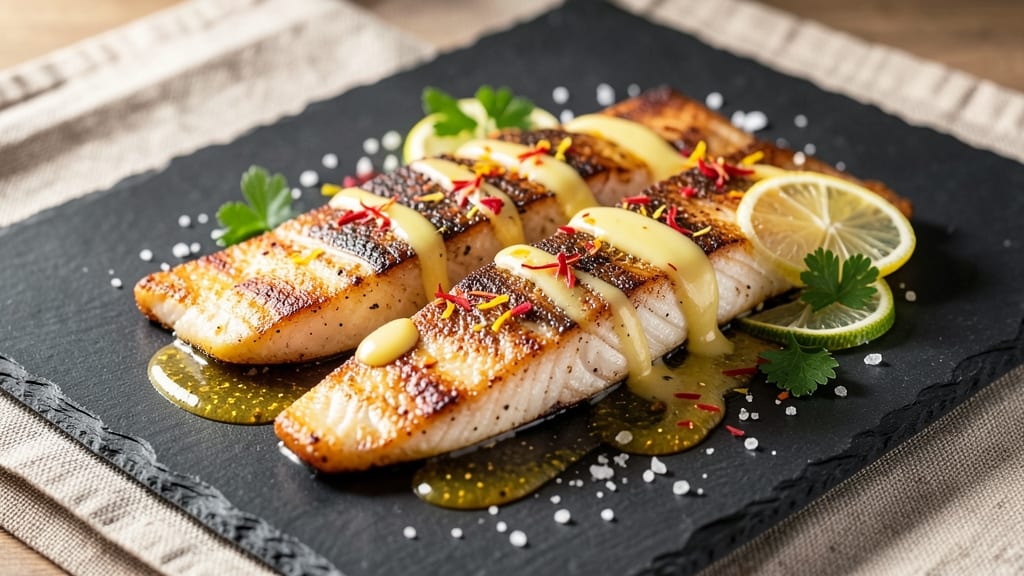
Pan-fried cod with lemon butter sauce delivers that perfect balance of crispy crust and tender, juicy flesh—exactly what makes seafood feel special. The secret lies in a hot, well-seasoned pan that creates golden-brown edges while keeping the inside flaky, paired with a bright, tangy sauce that cuts through the richness.
I’ve perfected this method over countless weeknight dinners, and it never fails to impress, whether you’re cooking for two or a crowd.
What sets this recipe apart is the foolproof technique for achieving crispy skin without overcooking the delicate fillets.
A thin layer of flour and a splash of cold butter in the pan create the ideal crust, while the lemon butter sauce—made with just a few pantry staples—adds a bold citrus finish that elevates simple cod into something restaurant-worthy.
The sauce is quick to make and enhances the natural sweetness of the fish without overpowering it.
By the time you plate it, you’ll have perfectly seared cod with a crispy exterior and a meltingly tender center, drizzled with a glossy, buttery sauce that’s bright with lemon and rich with flavor.
The dish feels elegant but comes together in under 20 minutes, making it ideal for weeknight dinners or special occasions. Serve it with a sprinkle of fresh parsley and lemon wedges for that final touch of freshness.
This recipe is a game-changer for anyone looking to master pan-fried seafood—whether you’re a seasoned home cook or just starting out. The method is precise but not complicated, and the results are consistently impressive. Let’s get cooking!
Ingredients for pan fried cod with lemon butter sauce
Twelve ingredients transform delicate cod into restaurant-worthy perfection with crispy crust and bright citrus sauce.
| Ingredient | Amount | Notes |
|---|---|---|
| Cod Fillets 🐟 | 4 whole | Skin-on, 6-8 oz each, pounded even thickness |
| All-Purpose Flour 🌾 | ¼ cup | For dredging, fine texture preferred |
| Unsalted Butter 🧈 | ½ cup | Cold, cut into 1-inch pieces |
| Extra-Virgin Olive Oil 🫒 | ¼ cup | Light, neutral flavor for frying |
| Fresh Lemon Juice 🍋 | ¼ cup | Freshly squeezed, seeds strained |
| Lemon Zest 🍋 | 1 tbsp | Fine, from 1 organic lemon |
| Shallots 🧅 | 2 whole | Minced, or sub 2 tbsp finely chopped |
| Garlic Cloves 🧄 | 3 cloves | Minced, or 1 tsp garlic powder |
| Fresh Parsley 🌿 | ¼ cup | Chopped, flat-leaf preferred |
| Diamond Crystal Kosher Salt 🧂 | 1 tsp | For seasoning, plus extra for taste |
| Ground Black Pepper 🌶️ | ½ tsp | Freshly cracked, coarse grind |
| Heavy Whipping Cream 🥛 | ¼ cup | Full-fat for sauce richness |
| Fresh Thyme Leaves 🌿 | 1 tsp | Or 0.25 tsp dried thyme |
The cod fillets are the foundation—opt for skin-on, center-cut pieces from a trusted fishmonger or high-quality seafood counter. Whole Foods or Trader Joe's carry excellent frozen cod that thaws beautifully in cold water. Look for fillets with a firm texture and minimal fishy odor, indicating freshness. If using frozen, allow them to sit in the fridge overnight to thaw gradually. The thickness should be consistent—pound any uneven spots to an even half-inch thickness for uniform cooking. For best results, use cod within 24 hours of purchase to maintain optimal texture.
Substitutions are flexible but require adjustments. Haddock or halibut work equally well, though cooking times may vary slightly. For the sauce, substitute heavy cream with full-fat Greek yogurt for a tangier profile, though the sauce will be slightly thinner. If fresh lemon juice isn't available, pasteurized lemon juice from a bottle can be used, though it lacks the bright, aromatic depth. The shallots can be swapped for 1 tbsp minced red onion, but shallots add a more delicate sweetness. For those avoiding dairy, omit the heavy cream and use an additional 2 tbsp extra-virgin olive oil to emulsify the sauce. Always taste as you go—adjust salt and lemon to balance flavors.
Prep ahead to streamline cooking: zest the lemon and chop the parsley in advance, storing them in airtight containers in the fridge for up to 3 days. The butter and cream can be combined in a small bowl and refrigerated for 24 hours before use, though the sauce is best made fresh. Leftover cod reheats beautifully—wrap fillets in foil and warm in a 350°F oven for 5-7 minutes. The sauce keeps for 3 days refrigerated or 3 months frozen in an airtight container. For a make-ahead meal, cook the cod and store it separately, then reheat gently before adding the freshly made sauce to maintain its glossy finish.
Why You'll Love This Recipe
- Five-Ingredient Magic: The pantry already has these—flour, butter, olive oil—and I bet you’ve got lemon sitting in your fruit bowl. That’s it. No fancy prep, no last-minute grocery runs. Just cod, a quick dredge, and a sizzle that smells like dinner’s already won.
- Crispy-Creamy Obsession: The flour gives it that golden crunch, while the butter and lemon melt into something rich and bright. It’s the kind of bite you take, close your eyes, and think, “Why didn’t I do this sooner?”—especially when the sauce clings like a hug.
- Weeknight to Date Night: Same recipe, totally different vibes. Toss it with greens for a Tuesday supper or drizzle it over pasta for a fancier night out. Honestly, I’ve served this to guests who swore it was from a restaurant. (They were wrong, but they didn’t care.)
- Leftovers That Don’t Suck: Pan-fried cod reheats beautifully—just a quick warm in the oven or microwave, and it’s back to that crispy-tender perfection. Between us, I’ve eaten it cold the next day too. Yes, even on a Tuesday. Budget-friendly? Absolutely. Waste-free? Even better.
Step-by-step instructions for pan fried cod with lemon butter sauce
Here's the method for achieving restaurant-quality crispy cod with a velvety lemon butter sauce.
Prepare the Cod for Perfect Crispiness
Pat the 4 whole cod fillets completely dry with paper towels—this is critical for developing that crispy crust. I use two layers of paper towels and press firmly to remove all moisture from the surface. The skin-on fillets should be about 6-8 ounces each, and I recommend pounding them to even thickness with a meat mallet if they vary significantly. This ensures even cooking and a consistent texture throughout.
Season both sides generously with 1 teaspoon of diamond crystal kosher salt and 0.5 teaspoon of freshly cracked ground black pepper. I like to press the seasoning into the flesh gently so it adheres well. Let the seasoned fillets sit at room temperature for 15 minutes while you prepare the remaining ingredients. This brief resting period helps the cod cook more evenly and prevents any risk of the center remaining undercooked.
Create the Dredging Station
In a shallow bowl, combine the 0.25 cup of all-purpose flour with an additional pinch of diamond crystal kosher salt. I use a fine-texture flour for this step as it creates a lighter, more delicate crust compared to bread flour. The flour should be sifted to remove any lumps, which can create uneven coating on the cod.
Working with one fillet at a time, gently press each cod fillet into the flour mixture, coating both sides evenly. Don't press too hard or you'll compress the flesh and lose that desirable flakiness. I find it helpful to use my fingers to ensure complete coverage, especially around the edges where the crust tends to be thinner. Tap off any excess flour and set the coated fillets aside on a wire rack or plate.
Fry to Golden Perfection
Heat a large skillet over medium heat and add 0.25 cup of extra-virgin olive oil. I prefer using a heavy-bottomed skillet like cast iron as it distributes heat more evenly. Allow the oil to heat until it shimmers gently—you should see small bubbles forming around the edges, but it shouldn't be smoking. This proper oil temperature is crucial for achieving that perfect crispy crust without burning the fish.
Carefully add the floured cod fillets to the skillet, skin-side down. Cook for 3-4 minutes until the skin becomes golden brown and crispy, and you see the edges begin to curl slightly. I press down gently on the fillets during the first minute to ensure even contact with the pan. Flip the fillets and cook for another 2-3 minutes on the other side until the flesh is opaque throughout and flakes easily with a fork. Remove the cooked fillets to a warm plate and tent loosely with aluminum foil to keep them warm.
Build the Lemon Butter Sauce
In the same skillet (don't wipe it clean—the browned bits are flavor gold), reduce the heat to medium-low and add the 0.5 cup of cold unsalted butter cut into 1-inch pieces. Allow the butter to melt completely, about 1 minute, then add the 2 whole minced shallots and 3 cloves of minced garlic. Cook for 2-3 minutes until the shallots are translucent and the garlic is fragrant but not browned.
Pour in the 0.25 cup of fresh lemon juice and scrape up any browned bits from the bottom of the pan with a wooden spoon. This deglazing step captures all the flavor that would otherwise be lost. Add the 1 tablespoon of fine lemon zest and 1 teaspoon of fresh thyme leaves, stirring to combine. The mixture should bubble gently and develop an aromatic citrus scent. Remove the skillet from heat and whisk in the 0.25 cup of heavy whipping cream until smooth and fully incorporated.
Finish and Serve Immediately
Return the skillet to low heat and pour the sauce over the warm cod fillets. Spoon the sauce generously over each fillet, ensuring they're completely coated. The cod should be served immediately while the sauce is still warm and glossy. Sprinkle with the 0.25 cup of chopped fresh parsley just before serving for a pop of color and fresh herb flavor.
Each fillet should have a beautiful golden-brown crust on the skin side and tender, flaky flesh underneath. The lemon butter sauce should cling to the cod, offering a perfect balance of rich butter, bright citrus, and subtle herbal notes. Serve with steamed vegetables or a fresh green salad to complement the dish without overpowering its delicate flavors.
Pro Tips For Making Pan Fried Cod With Lemon Butter Sauce
- Preheat Pan Properly: Get that pan screaming hot for 2-3 minutes before adding oil—cod needs a searing crust, not a sad, greasy soak. I learned this the hard way when my first batch turned out more "pan-fried" than "crispy." Use medium-high heat, not high; you want control, not smoke.
- Pat Cod Dry: Wrap those fillets in paper towels and press hard—moisture is the enemy of crust. I used to skip this, and my flour coating would slide off like butter on a hot griddle. Dry cod = better browning, every time.
- Don’t Rush the Butter: Let the butter melt slowly off the heat after removing the cod—this emulsifies the sauce naturally. Dump it in hot and it’ll seize like scrambled eggs. A splash of lemon juice at the end ties everything together without curdling.
- Use Olive Oil First: Start with 1 tablespoon of olive oil to coat the pan before butter—it raises the smoke point and prevents butter from burning. Yes, even if you’re using butter for flavor, this small step keeps your kitchen from smelling like a fire hazard.
Storing and reheating this dish
Refrigerator Storage
Store leftover cod and sauce separately in airtight containers to maintain texture and flavor. The cod keeps well for 2 days in the fridge—wrap it tightly in plastic wrap or place it in a shallow container to prevent drying.
The sauce, however, is best consumed within 3 days when refrigerated, as its emulsified texture can separate over time. Store it in a sealed jar and give it a quick whisk before reheating. 🌡️
Freezer Preservation
For longer storage, freeze the cod and sauce separately. Wrap cod fillets tightly in plastic wrap and place them in a freezer-safe bag, removing as much air as possible to prevent freezer burn.
The sauce freezes beautifully for up to 3 months—pour it into an ice cube tray for portion control, then transfer the cubes to a freezer bag. Thaw cod in the fridge overnight for best results.
Reheating Cod
To reheat cod, remove it from the fridge and let it sit at room temperature for 10 minutes before warming. Place the fillets in a lightly oiled skillet over medium-low heat for 2-3 minutes per side until heated through.
Avoid high heat, which can dry out the delicate flesh. For extra crispiness, add a pat of butter to the pan during reheating. 🔥
Reviving the Sauce
Thaw the sauce in the fridge overnight, then gently reheat it in a small saucepan over low heat**. Add 1 tablespoon water or heavy cream to help restore its emulsified texture.
If the sauce separates, whisk vigorously while heating. For extra brightness, add a splash of fresh lemon juice before serving.
Combining and Serving
Once reheated, combine the cod and sauce just before serving to maintain the sauce's glossy finish. Plate the cod and spoon the warm sauce over the top, then garnish with fresh parsley and a lemon wedge.
Serve immediately with steamed asparagus or a simple arugula salad to complement the dish without overpowering its flavors. ✨
Nutrition facts
Frequently asked questions
Can I use frozen cod for this recipe?
Yes, but thaw it properly for best results. Place frozen cod fillets in a sealed bag and submerge in cold water for 30-45 minutes, changing the water every 10 minutes. Never thaw at room temperature. For overnight prep, transfer to the fridge after the cold-water thaw. Always pat completely dry before seasoning to ensure crispy skin.
What if my cod skin doesn't get crispy?
This usually happens from one of three issues: not drying the fillets thoroughly, oil temperature too low, or flipping too soon. First, ensure your pan is smoking hot before adding cod. Use a thermometer if needed—aim for 375°F. Cook skin-side undisturbed for 4-5 minutes before flipping. If using frozen cod, thaw completely first.
Can I make the lemon butter sauce ahead of time?
The sauce is best made fresh, but you can prep components in advance. Store the butter, shallots, garlic, and lemon juice separately in the fridge for up to 3 days. When ready to cook, combine everything in the pan as directed. For a shortcut, make the sauce without cream, then whisk in cream just before serving to maintain its glossy texture.
What's the best way to serve this dish?
This elegant yet simple dish pairs beautifully with light sides that complement its bright flavors. Try steamed asparagus with lemon zest, a crisp arugula salad with shaved fennel, or buttery roasted potatoes. For extra presentation, arrange cod on a bed of herb rice or serve with a squeeze of fresh lemon at the table.
How do I adjust this for dietary restrictions?
For dairy-free, replace the heavy cream with 2 tbsp olive oil and add 1 tbsp lemon juice to help emulsify. For gluten-free, use a gluten-free flour blend for dredging. To make it lower in fat, reduce butter to 0.3 cup and use 1 tbsp olive oil in the sauce. Always taste and adjust seasoning after substitutions.