Sauces & Condiments
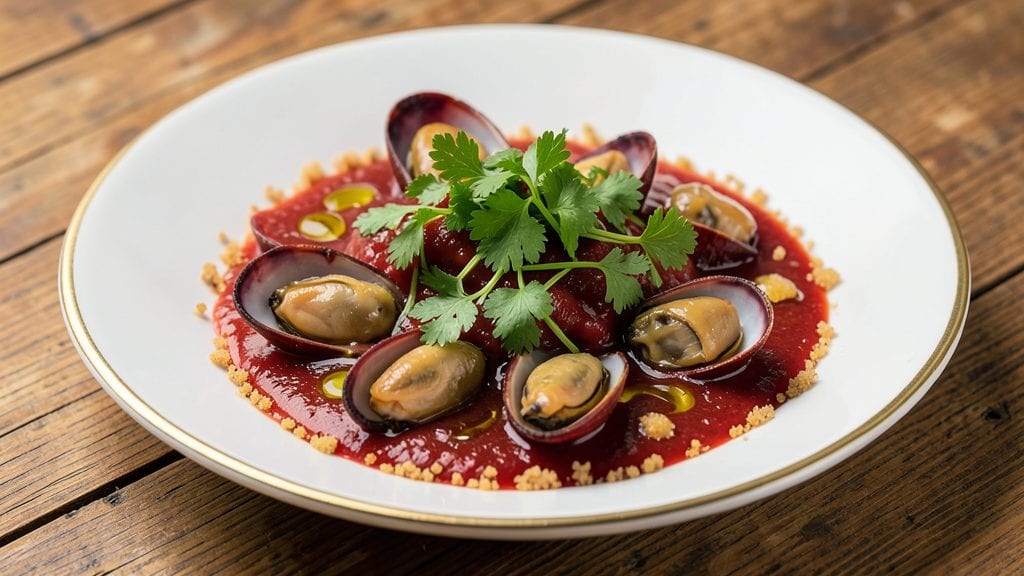
This red canned clams sauce recipe delivers restaurant-quality depth with just 15 minutes of active work—no chopping, no fuss, and zero waste from canned clams.
The secret lies in simmering tomatoes, garlic, and white wine until reduced into a concentrated, brick-red sauce that clings to pasta, seafood, or crusty bread like a velvety embrace.
I developed this after craving the bold, umami-rich sauces from Italian trattorias but wanting a version that respects time and pantry staples.
The sauce builds flavor through two-stage reduction: first, a quick deglaze of garlic and wine to dissolve clam juices, then a slow simmer with crushed tomatoes until thickened into a glossy, deep red consistency.
A splash of broth at the end ensures silky texture without breaking the sauce, while fresh basil and red pepper flakes add brightness and heat. This isn’t just a sauce—it’s a flavor multiplier that transforms simple ingredients into something extraordinary.
What you’ll end up with is a versatile sauce that’s rich enough for linguine, bold enough for grilled shrimp, or dramatic enough to drizzle over toasted bread. The canned clams contribute their briny essence without overpowering, while the tomatoes provide natural sweetness to balance acidity.
Best of all? It keeps for 5 days refrigerated or 3 months frozen, making it the ultimate pantry hero for busy weeks.
Perfect for last-minute dinners, meal prep, or impressing guests with minimal effort. The technique is foolproof—no special skills required, just patience for the reduction. Let’s make this sauce that tastes like it simmered all day, even if it only takes 20 minutes.
Ingredients for red clam sauce recipe with canned clams
Pantry staples plus canned clams transform into restaurant-quality red sauce with zero chopping.
| Ingredient | Amount | Notes |
|---|---|---|
| Canned Red Clams 🦪 | 14 ½ oz | In juice, drained for sauce |
| San Marzano Crushed Tomatoes 🍅 | 15 oz | High-quality canned tomatoes |
| Extra-Virgin Olive Oil 🫒 | ½ cup | Light fruity variety preferred |
| Garlic Cloves 🧄 | 4 cloves | Freshly minced, not pre-minced jar |
| Dry White Wine 🍷 | ½ cup | Sauvignon Blanc preferred |
| Vegetable or Seafood Broth 💧 | ½ cup | Low-sodium preferred |
| Fresh Basil Leaves 🌿 | ¼ cup | Packed, stems removed |
| Crushed Red Pepper Flakes 🌶️ | 1 tsp | Adjust for heat preference |
| Sea Salt 🧂 | 1 tsp | Diamond Crystal preferred |
| Black Pepper 🌶️ | ½ tsp | Freshly cracked |
The San Marzano tomatoes are non-negotiable here—their sweetness and acidity balance the brininess of the clams perfectly. Grab a 28 oz can (this recipe uses 15 oz) from Whole Foods or Trader Joe's for the best quality. The clams? Any canned red clams work, but Italian brands like Mutti or Santa Marina have the cleanest flavor. Fresh garlic is a must—pre-minced jars taste like sawdust after reduction. For the wine, Sauvignon Blanc adds brightness, but Pinot Grigio works too. Pro tip: Use room-temperature wine for smoother integration into the sauce.
No white wine? Substitute extra broth plus 1 tsp lemon juice—it won’t be identical, but still delicious. Running low on fresh basil? Dried basil at one-third the amount works in a pinch, but fresh is worth hunting down at farmers markets. The crushed tomatoes can be swapped for whole peeled tomatoes (hand-crushed), but you’ll need to strain out skins. For heat, aleppo pepper adds complexity if you’re feeling fancy. And if you’re worried about the clam juice making the sauce too thin? Don’t fret—the reduction handles it beautifully.
This sauce tastes even better the next day as flavors meld. Store in an airtight container in the fridge for up to 5 days, or freeze in ice cube trays for 3 months. I portion mine into small jars—perfect for drizzling over linguine or grilled shrimp. The sauce thickens as it cools, so add a splash of broth if it seems too stiff when reheating. Trust me, this is the kind of sauce that makes you look like a cooking genius with minimal effort.
Why You'll Love This Recipe
- Pantry-to-Table Magic: I swear by this sauce because it starts with three ingredients from my pantry shelf—canned clams, tomatoes, and wine—and ends with something restaurant-worthy. No fancy shopping, no last-minute trips to the market. The clams open right in the pot, and the wine reduces down to a glossy, tangy base that takes zero effort to perfect.
- Garlic-Wine Kiss: That moment when the white wine simmers with garlic until it’s just shy of burning? Pure flavor gold. The San Marzano tomatoes add a sweetness that balances the briny clams, while the olive oil ties it all together with a silky finish. It’s the kind of sauce where every bite makes you pause and think, “Wait, I made this?”
- Weeknight or Weekend Star: Slurp it straight from the pan with crusty bread, toss it over linguine, or use it as a dip for grilled shrimp—this sauce adapts. I’ve even used it to deglaze a skillet after searing scallops, turning leftovers into a new meal. It’s my go-to for when I’m too tired to plan but still want something special.
- Budget-Friendly Luxury: A can of clams and a jar of tomatoes cost less than takeout, yet this sauce tastes like it belongs on a $200 wine list. It keeps for days in the fridge, so I make a big batch and freeze portions—perfect for lazy nights when I don’t want to cook but still crave something rich and satisfying. (Yes, even on a Tuesday.)
Step-by-step instructions for red canned clams sauce
This sauce comes together faster than you can say "zero chopping"—rich, velvety, and packed with briny depth.
Sauté Garlic Until Fragrant and Golden
Heat the 0.5 cup extra-virgin olive oil in a medium saucepan over medium-low heat. Add the 4 cloves freshly minced garlic and cook for 2-3 minutes until the garlic becomes golden brown and releases its aromatic oils. This is your flavor foundation—don't rush it or the garlic will burn.
Watch for the moment when the garlic changes from pale to nutty brown—that's your signal to move fast. Remove the pan from heat immediately after the garlic turns golden, as it can go from perfect to bitter in seconds. This quick sauté extracts maximum flavor without bitterness.
Deglaze with Wine and Tomatoes
Return the pan to medium heat and pour in the 0.5 cup dry white wine. Let it simmer for 3-4 minutes until reduced by half, scraping up any browned bits from the bottom with a wooden spoon. This deglazing step captures all the garlic's flavor that would otherwise be lost.
Add the 15 oz San Marzano crushed tomatoes and stir to combine. Bring to a gentle simmer and cook uncovered for 5 minutes until the tomatoes begin to thicken slightly. You're building the sauce's body here—the tomatoes should coat the back of a spoon when you stir. This is where the brick-red richness begins to develop.
Build Depth with Broth and Seasonings
Pour in the 0.5 cup vegetable or seafood broth and add the 1 tsp sea salt, 0.5 tsp black pepper, and 1 tsp crushed red pepper flakes. Stir well to distribute the seasonings evenly. This is where the sauce's complexity comes together—the broth balances acidity, salt enhances flavor, and the red pepper adds subtle heat.
Simmer gently for 8-10 minutes until the sauce reduces by about 25% and becomes thick enough to coat the back of a spoon. You're looking for a consistency that's neither soupy nor paste-like—somewhere in between. Taste and adjust seasoning if needed, adding more salt or pepper as necessary. The sauce should be vibrant red with a velvety texture.
Incorporate Clams and Finish with Basil
Drain the 14.5 oz canned red clams, reserving 2 tablespoons of clam juice (discard any remaining liquid). Add the clams to the sauce and gently stir to combine. Simmer for 3-4 minutes just until the clams are heated through—do not overcook or they'll become rubbery. The sauce should be warm but not boiling.
Remove from heat and stir in the 0.25 cup fresh basil leaves (stems removed). Let the sauce sit for 2-3 minutes to allow the basil's aroma to infuse. The basil adds freshness that cuts through the richness of the clams and tomatoes. Taste one last time and adjust seasoning if needed—this sauce should be perfectly balanced between briny, acidic, and sweet.
Rest and Serve with Confidence
Let the sauce rest for 5 minutes before serving. This brief resting period allows the flavors to meld completely and the sauce to thicken slightly as it cools. The clams will continue to release their juices, creating an even richer sauce.
Serve immediately over linguine or spaghetti, or use as a dipping sauce for crusty bread. The sauce should cling beautifully to pasta, coating each strand in its velvety brick-red richness. Each bite should deliver a perfect balance of briny clams, sweet tomatoes, and aromatic basil—with just a hint of garlic and white wine complexity.
Pro Tips For Making Red Clam Sauce Recipe With Canned Clams
- Sweat the Garlic Slow: I used to blast the garlic in olive oil and end up with bitter, browned bits—total waste. Instead, cook it on low heat for 3-4 minutes until just fragrant and translucent. The sauce will taste brighter, and you’ll avoid that burnt-on flavor that ruins everything.
- Drain Clams Twice: The liquid in canned clams is salty and watery—skip rinsing, but drain them twice into a colander. The first drain catches the worst of it; the second ensures no excess liquid dilutes your sauce. Trust me, your sauce won’t taste like a sad, thin broth.
- Deglaze Aggressively: After toasting the garlic, pour in the white wine and scrape the pan like you mean it—every last bit of browned bits. That’s where the flavor hides. Let it simmer for 2 minutes before adding tomatoes, or you’ll miss out on the rich, savory base.
- Simmer, Don’t Boil: Once the tomatoes hit the pan, keep it at a gentle simmer—not a rolling boil. I learned this after my sauce turned into a watery mess. A low simmer (3-4 minutes) thickens the sauce naturally and keeps the clams from getting rubbery. Patience pays off.
Essential equipment for this recipe
Medium Saucepan
I use a 3-quart stainless steel saucepan from All-Clad for this recipe because it conducts heat evenly and prevents hot spots that can burn your sauce. The 3-quart size gives you enough room to stir without splattering while allowing the sauce to reduce properly.
If you don’t have stainless steel, a heavy-bottomed enamel pot works just as well—just avoid nonstick pans, which can react with the acidity in tomatoes and wine. 🔥
Wooden Spoon
A long-handled wooden spoon (I love the OXO Good Grips brand) is essential for stirring this sauce without scratching your pan. Wood absorbs minimal heat, preventing the sauce from sticking or burning at the edges.
The long handle keeps your fingers safe from the heat while you deglaze and reduce. For extra durability, I recommend a hickory or maple spoon—they’re less porous than cheaper bamboo options.
Fine-Mesh Strainer
When draining your clams, a fine-mesh strainer (like the OXO Good Grips Collapsible Strainer) ensures you capture every last bit of clam meat while discarding the shells efficiently. The collapsible design saves space in your drawer, and the sturdy mesh won’t tear when you press the clams through.
Pro tip: Rinse the strainer immediately after use—clam juice dries quickly and becomes a nightmare to scrub later. 🦪
Kitchen Timer
Timing is everything with this sauce, so I never cook without a kitchen timer (I use the Westmark Stainless Steel Timer). Set it for the 2-3 minutes when sautéing garlic and the 8-10 minutes for reduction—these are critical windows where precision matters.
A timer also prevents you from burning the garlic or over-reducing the sauce. For extra reliability, I place it near my stove so I can hear the alert without missing it.
Cheesecloth or Fine Mesh Sieve
If you want an ultra-smooth sauce, strain it through cheesecloth or a fine-mesh sieve (like the Eberhardts brand) before serving. This removes any remaining clam fragments or basil stems, giving you a silky texture perfect for drizzling over pasta or seafood.
For a quicker option, a nut milk bag works too—just squeeze gently to avoid losing flavorful liquid. This step is optional but elevates the sauce to restaurant-quality. ✨
Air-Tight Storage Container
For leftovers, transfer the sauce to an airtight glass container (I use Le Parfait jars) to preserve its rich flavors. Glass won’t absorb odors like plastic, and the snap-on lids create a tight seal to keep the sauce fresh.
Label the container with the date—this sauce keeps for 5 days refrigerated or 3 months frozen, making it a pantry staple for busy weeks. If freezing, leave 1-inch headspace to prevent ice crystals from breaking the jar. ❄️
Nutrition facts
Frequently asked questions
Can I substitute fresh clams for canned in this sauce?
Fresh clams will give a slightly different texture and flavor, but yes, you can use them! Shuck 12-15 fresh clams (about 14.5 oz meat), reserving the briny juice. Cook them in a separate pan until just opened (3-4 minutes), then remove from shells and add to the sauce. The juice from fresh clams is more potent, so reduce the broth by 2 tablespoons to balance the sauce. Fresh clams add a briny freshness that canned clams can't quite match, but the technique remains identical.
How do I adjust the heat level in this sauce?
Start with the 1 tsp crushed red pepper flakes as written, then adjust to taste. For mild heat, reduce to ½ tsp or swap for ½ tsp smoked paprika. For spicy kick, add ½ tsp cayenne pepper or a pinch of chili flakes at the end. Always taste before serving—this sauce should complement your dish, not overpower it. A splash of lemon juice can also brighten the heat if needed.
Can I make this sauce without wine?
Replace the 0.5 cup white wine with 0.5 cup clam juice (from the can) plus 1 tsp lemon juice to mimic the acidity. For extra depth, add 1 tsp balsamic vinegar or a pinch of dried oregano. The sauce will still develop richness, though wine adds a subtle complexity that's hard to replicate. If using clam juice, reduce the broth by 2 tablespoons since clam juice is salty.
Why did my sauce turn out too thin?
Sauce thinning usually happens from one of three issues: overloading with clam juice (don’t reserve too much), not reducing long enough (aim for 25% reduction), or adding broth too late. Fix it by simmering uncovered for 5-10 more minutes*, stirring often, until it thickens. If it’s still too thin, mix 1 tsp cornstarch with 1 tbsp cold water, stir into the sauce, and simmer for 2 minutes** to thicken. The sauce should coat the back of a spoon without being gluey.
What’s the best way to reheat leftover sauce?
Gently reheat over low heat in a saucepan, stirring frequently to prevent sticking. Add 1-2 tablespoons broth or water if the sauce thickens too much during reheating. Never microwave—it can make the sauce grainy. For best results, reheat just until warm (60-70°F), then finish with a fresh pinch of black pepper and basil to revive the flavors. If the sauce seems dull, a splash of lemon juice can brighten it up.