
Sauces & Condiments
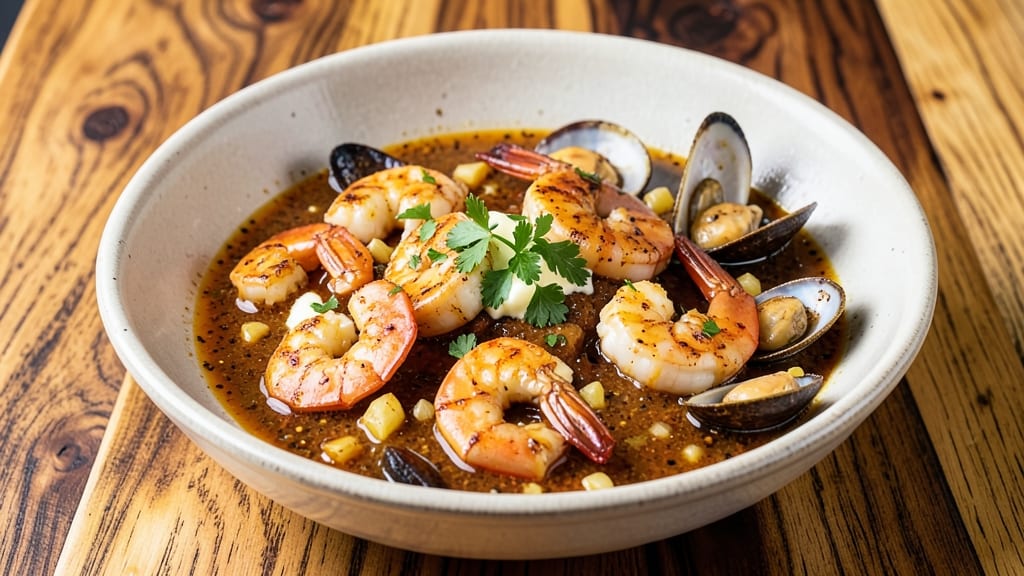
This seafood boil bag sauce recipe transforms a simple boil into a flavor explosion—where every bite of shrimp, crawfish, or fish gets drenched in rich, spicy garlic butter goodness. The secret lies in simmering aromatics until they perfume the air, then finishing with cold butter for that signature velvety sheen.
I developed this sauce after years of testing boil bag flavors, and it’s now my go-to for restaurant-quality results at home.
The beauty of this recipe is its versatility—just 10 minutes of prep, and you’ll have a sauce that’s foolproof for any seafood boil. Start with a base of garlic, onions, and Cajun spices, then build depth with chicken broth before finishing with cold butter.
The sauce clings perfectly to boiled seafood, delivering a balance of heat, garlic punch, and buttery richness that turns a basic boil into a showstopper.
What you’ll end up with is a sauce that’s aromatic, spicy, and irresistibly creamy—the kind that makes guests ask for the recipe. It works equally well as a dipping sauce, a drizzle over boiled seafood, or even a quick glaze for grilled fish.
The best part? It comes together while your seafood cooks, so you’re not stuck with last-minute flavor fixes.
Perfect for crawfish boils, shrimp feasts, or even a simple fish fry, this sauce elevates any seafood dish with minimal effort. Let’s get cooking—your next boil bag just got a major upgrade.
Ingredients for seafood boil bag sauce
Ten simple ingredients transform your boil bag into a flavor showstopper.
| Ingredient | Amount | Notes |
|---|---|---|
| Extra-Virgin Olive Oil 🫒 | ½ cup | High quality, fruity flavor preferred |
| Yellow Onion 🧅 | 1 whole | Medium size, finely diced |
| Garlic Cloves 🧄 | 6 cloves | Fresh, peeled, minced finely |
| Cajun Seasoning 🌶️ | 1 ½ tbsp | Store-bought or homemade blend |
| Chicken Broth 💧 | ½ cup | Low-sodium preferred |
| Unsalted Butter 🧈 | ½ cup | Cold, cubed for finishing |
| Lemon Juice 🍋 | 1 tbsp | Freshly squeezed |
| Seafood Boil Seasoning 🌶️ | 1 tbsp | Optional for extra depth |
| Hot Sauce 🔥 | 1 tsp | Adjust for spice preference |
| Salt 🧂 | ½ tsp | Kosher or sea salt |
The garlic and onion are your flavor foundation—fresh is non-negotiable. Grab a yellow onion from the grocery store's produce section (the ones with crisp, dry skins keep best). For garlic, Costco or Trader Joe's often have the freshest bulbs, but any bright, firm cloves will work. I always double-check that my Cajun seasoning hasn't lost its kick—if it smells flat, toast it in a dry pan for 30 seconds to wake up the spices. The chicken broth should be simmering while you prep everything else—low-sodium so you control the saltiness.
No Cajun seasoning? Mix 1 tsp each paprika, garlic powder, onion powder, cayenne, and dried thyme—it's a game-changer. Butter too expensive? Substitute with a mix of olive oil and heavy cream (same ratio), though it won't be quite as rich. Short on time? Use pre-minced garlic (just rinse it first to remove excess moisture). The hot sauce is where you can get creative—Crystal or Tabasco are my go-tos, but anything with a little kick works. For extra depth, I sometimes add a splash of Worcestershire sauce (just 1/2 tsp), but it's optional.
This sauce keeps beautifully—3 days in the fridge sealed in a jar. The butter solidifies on top, so just give it a quick stir before using. For longer storage, freeze it in ice cube trays (perfect for single servings) and transfer to a bag. One month frozen with no quality loss. Pro tip: Make a double batch—it disappears fast during crawfish season. The sauce reheats well (just warm gently), though I often serve it at room temperature for that perfect balance of heat and richness.
Why You'll Love This Recipe
- Pantry Magic: I swear by this sauce—no fancy ingredients, just olive oil, onion, and garlic simmered with Cajun spice until the kitchen smells like a Louisiana bayou. The broth ties it all together with that deep, savory punch that makes even the simplest seafood taste like a restaurant dish.
- One-Pot Power: Honestly, this is my go-to when I’m too tired to wash three pots. Sauté the onions and garlic in olive oil, toss in the Cajun seasoning, splash in broth, and let it bubble—done. The flavors meld together while you prep the rest of the meal, and cleanup? One spoon, one pan.
- Tailgate or Tapas: Between us, this sauce is my secret weapon for game days or casual gatherings. Drizzle it over shrimp, mussels, or even grilled fish, and suddenly you’ve got a dish that feels special without the fuss. (Yes, even on a Tuesday night when the only guests are my kids and a half-eaten bag of chips.)
- Budget-Friendly Luxury: I make this sauce all the time because it stretches so far—double the batch, store it in the fridge, and use it for days. A little goes a long way, and the Cajun seasoning adds heat without breaking the bank. Plus, the olive oil and broth are pantry staples, so I’m never scrambling for last-minute ingredients.
Step-by-step instructions for spicy garlic butter seafood boil bag sauce
Here's how to make a bold, aromatic sauce that transforms your seafood boil into something extraordinary.
Sauté Onion Until Soft and Translucent
Heat the 0.5 cup extra-virgin olive oil in a medium saucepan over medium heat. Add the 1 whole yellow onion, finely diced, and cook for 5-6 minutes until the onions become soft and translucent at the edges. You'll know they're ready when they release their sweet aroma and the moisture evaporates.
This step builds the flavor foundation. If the onions start to brown too quickly, reduce the heat slightly to medium-low and continue cooking. Browning too soon will make the sauce bitter rather than sweet and aromatic. Stir occasionally to ensure even cooking and prevent sticking.
Add Garlic and Seasonings for Maximum Flavor
Once the onions are soft, add the 6 cloves minced garlic, 1.5 tablespoons Cajun seasoning, and 1 tablespoon seafood boil seasoning. Stir continuously for 1-2 minutes until the garlic becomes fragrant and just begins to turn golden. Be careful not to let it burn—garlic burns in seconds and turns bitter.
Here's where the magic happens. The Cajun seasoning adds depth with its paprika and cayenne, while the seafood boil seasoning brings that classic briny, spicy kick. If you prefer more heat, add the 1 teaspoon hot sauce now and stir to combine. Let the mixture cook for another 30 seconds to fully integrate all the spices.
Deglaze with Chicken Broth and Lemon Juice
Pour in the 0.5 cup chicken broth and 1 tablespoon lemon juice, scraping the bottom of the pan with a wooden spoon to release any browned bits. These bits are packed with flavor, so don't miss this step. Bring the mixture to a gentle simmer and let it reduce by about half—this should take 3-4 minutes—until it becomes thick and syrupy.
The lemon juice brightens the sauce and balances the richness of the butter we'll add next. If the mixture starts to stick, add 1-2 tablespoons water to help it release from the pan. You want a smooth, glossy consistency that coats the back of a spoon. Taste and adjust seasoning with the 0.5 teaspoon salt if needed.
Finish with Cold Butter for Richness
Remove the pan from heat and let it cool slightly for 1 minute. Then, cut the 0.5 cup unsalted butter into small cubes and add them to the sauce. Stir constantly over low heat until the butter melts completely and the sauce becomes glossy and emulsified—this should take about 1-2 minutes. The sauce should coat the back of a spoon and have a velvety texture.
This is the moment that matters: the butter adds richness and helps create that signature seafood boil sauce consistency. If the sauce looks too thin, let it cool slightly and stir again—the butter will help thicken it naturally. The sauce should be smooth, with a beautiful sheen that indicates it's ready to drizzle.
Strain and Serve Immediately
Transfer the sauce to a fine-mesh strainer set over a small bowl and let it sit for 1 minute to remove any onion or garlic bits. This step ensures a silky, smooth sauce without texture. Taste again and adjust seasoning if needed—sometimes the flavors meld differently after straining.
Serve the sauce immediately over your seafood boil bag contents or drizzle it generously over grilled shrimp, crab legs, or boiled crawfish. The sauce should be warm and aromatic, with a perfect balance of spicy, garlicky, and buttery flavors. Store any leftovers in an airtight container in the refrigerator for up to 3 days, but it's best used fresh.
Pro Tips For Making Seafood Boil Bag Sauce
- Sweat the Onions Low: If you blast them on high heat, you’ll end up with bitter, charred bits instead of sweet, jammy onions. Keep the flame at medium-low and let them cook for 8-10 minutes—stirring occasionally—until they’re soft and translucent. This is the flavor base, so don’t rush it.
- Smash the Garlic: Minced garlic burns faster than you think, especially when mixed with Cajun seasoning. After adding the garlic, let it sit for 30 seconds before stirring—just long enough to wake up the flavors without turning it into a bitter paste. (Yes, even if you’re impatient like me.)
- Deglaze with Broth: Once your onions and garlic are cooked, don’t just dump in the Cajun seasoning dry. Add a splash of chicken broth first—just enough to loosen the browned bits from the pan. Those bits pack flavor, and skipping this step means losing half the taste.
- Simmer, Don’t Boil: The sauce should bubble gently, not roar like a pressure cooker. If it’s boiling hard, reduce the heat and let it simmer for 5-7 minutes. This lets the Cajun seasoning bloom and the broth infuse properly—no one wants a one-note, overly spicy sauce.
Best sauces and condiments for seafood boil bag sauce
Cajun-Inspired Heat
This sauce delivers authentic Cajun flavor with 1.5 tablespoons of Tony Chachere's Original Cajun Seasoning—the brand I trust for that perfect balance of paprika, cayenne, and garlic powder.
For extra depth, I add 1 tablespoon of seafood boil seasoning (like Zatarain's), which brings a briny, spicy kick that pairs perfectly with shrimp and crawfish. If you prefer a milder heat, reduce the cayenne in your homemade blend or use ½ teaspoon less of the store-bought version. 🌶️
Butter Finishing Trick
The secret to that signature velvety texture lies in finishing with ½ cup cold, cubed unsalted butter (I use Plugrá for its rich flavor). Off the heat, the butter melts gradually, emulsifying into the sauce without breaking.
For a dairy-free twist, replace the butter with ½ cup olive oil + 2 tablespoons heavy cream, though the texture will be slightly lighter. If you're serving the sauce immediately, let it sit for 1 minute after adding butter—this allows the flavors to meld perfectly.
Lemon Brightness
A splash of 1 tablespoon fresh lemon juice cuts through the richness, balancing the garlic and spice. I always use freshly squeezed lemon rather than bottled juice because the acidity is more vibrant. For an extra zing, add ½ teaspoon lemon zest along with the juice.
If you're serving the sauce over seafood, the lemon also helps prevent the dish from tasting too heavy. For a tangier profile, increase the lemon to 2 tablespoons—just be mindful of the heat level.
Broth Base Options
While ½ cup low-sodium chicken broth works perfectly, you can swap it for fish or seafood stock to deepen the connection to your seafood boil. For a vegetarian version, use vegetable broth and add ½ teaspoon Old Bay seasoning for a Chesapeake-inspired twist.
If you're using a broth with higher sodium content, reduce the added salt to ¼ teaspoon to avoid over-salting the sauce. The broth should reduce by half, creating a thick, syrupy consistency that clings beautifully to boiled seafood.
Spice Level Control
Adjust heat to your preference with 1 teaspoon hot sauce—I recommend Crystal or Tabasco for their clean, peppery heat. For a smoky kick, add ½ teaspoon smoked paprika with the Cajun seasoning.
If you love ghost pepper heat, swap the hot sauce for ½ teaspoon ghost pepper powder (start small—this packs serious punch!). For a milder version, omit the hot sauce entirely and rely on the cayenne in the Cajun blend.
Always taste as you go, especially after straining, since flavors can shift slightly.
Garnish Ideas
Finish your sauce with fresh herbs for a pop of color and brightness. I love adding 1 tablespoon chopped parsley or chives just before serving, or a sprinkle of crispy fried shallots for texture. For a smoky touch, top with ½ teaspoon smoked salt.
If you're serving the sauce as a dip, a drizzle of extra-virgin olive oil adds a silky sheen. For a festive presentation, garnish with edible gold leaf—it’s unexpected but elevates the dish to restaurant-quality. 💫
Nutrition facts
Frequently asked questions
Can I make this sauce ahead of time for my seafood boil?
This sauce actually tastes better when made a day ahead. Store it in an airtight container in the fridge for up to 3 days. The flavors meld beautifully, and the butter solidifies on top—just give it a quick stir before using. For longer storage, freeze in ice cube trays and transfer to a bag for up to 1 month. Thaw overnight in the fridge before reheating.
What if I don't have Cajun seasoning?
No problem! Make your own by mixing 1 tsp paprika, ½ tsp garlic powder, ½ tsp onion powder, ¼ tsp cayenne, and ¼ tsp dried thyme. For extra depth, add ½ tsp smoked paprika. This homemade blend works perfectly and gives you control over the heat level. The sauce will still have that signature spicy, garlicky kick you're looking for!
How do I adjust the spice level in this sauce?
Start with the 1 tsp hot sauce as written for a medium heat. For milder flavor, reduce the cayenne in your Cajun blend or omit the hot sauce entirely. For extra heat, swap the hot sauce for ½ tsp ghost pepper powder (use with caution!) or add ½ tsp crushed red pepper flakes. Always taste as you go—especially after straining—since flavors can intensify as the sauce cools.
Can I use this sauce for other proteins besides seafood?
This sauce works beautifully with chicken, pork chops, or even roasted vegetables! The rich garlic butter flavor pairs well with meats that benefit from a bold sauce. For chicken, reduce the cayenne slightly to complement the milder protein. For vegetarian use, swap the chicken broth for vegetable broth and add ½ tsp Old Bay seasoning for a Chesapeake-inspired twist.
Why does my sauce turn out too thin or too thick?
Sauce consistency depends on two key factors: reduction time and butter ratio. For a thicker sauce, reduce the broth for 5-6 minutes until syrupy, or add 1 tbsp cornstarch mixed with water as a slurry. If too thick, whisk in 1 tbsp warm water to adjust. The butter finishing step is crucial—always use ½ cup cold butter and stir constantly until fully melted for that perfect velvety texture.