Sauces & Condiments
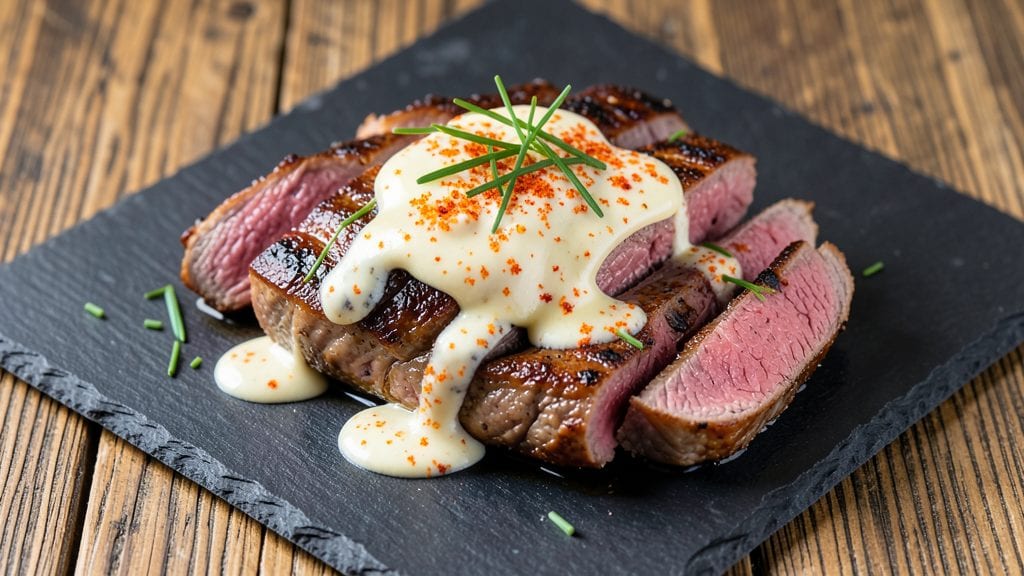
This tenderloin horseradish sauce transforms ordinary steak into a showstopping centerpiece with its sharp, creamy complexity—perfect for cutting through rich beef while adding a sophisticated bite.
The secret lies in balancing creamy mayonnaise with sharp horseradish and a touch of vinegar, creating a sauce that’s both velvety and tangy without overpowering the dish. I developed this recipe after years of testing, and it’s now my go-to for elevating steak nights.
The magic happens when you emulsify the ingredients slowly, ensuring a smooth, lump-free texture that clings beautifully to tenderloin slices. A splash of Dijon mustard adds depth, while a pinch of cayenne delivers subtle heat that lingers just enough to excite the palate.
This sauce isn’t just for tenderloin—it works equally well with filet mignon, grilled chicken, or even as a bold condiment for roasted vegetables.
What you’ll end up with is a creamy yet zesty sauce that’s rich enough to stand alone but light enough to enhance every bite of your steak. The horseradish’s sharpness mellows slightly over time, allowing its bright, peppery notes to shine through without overwhelming.
It’s the kind of sauce that turns a simple dinner into a memorable experience, and it keeps well in the fridge for up to a week.
Whether you’re serving a special occasion meal or a weeknight steak dinner, this sauce delivers restaurant-quality results with minimal effort. Let’s make it—your taste buds will thank you.
Ingredients for tenderloin horseradish sauce
Eight ingredients, one showstopping sauce. Creamy, sharp, and perfectly balanced for steak night.
| Ingredient | Amount | Notes |
|---|---|---|
| Mayonnaise 🥫 | 1 cup | High-quality, full-fat preferred |
| Prepared Horseradish 🌶️ | ⅓ cup | Freshly grated for maximum bite |
| Dijon Mustard 🥬 | 1 tbsp | For depth and tanginess |
| White Wine Vinegar 🍷 | 1 tbsp | Brightens the sauce |
| Cayenne Pepper 🔥 | ¼ tsp | Adjust for heat preference |
| Fresh Horseradish Root 🌱 | 1 tbsp | Optional, for extra kick |
| Granulated Sugar 🍬 | 1 tsp | Balances sharpness |
| Kosher Salt 🧂 | ½ tsp | Enhances all flavors |
| Heavy Cream 🥛 | ¼ cup | For extra creaminess (optional) |
| Fresh Chives 🌿 | 1 tbsp | Chopped, for garnish |
The mayonnaise is non-negotiable here—Duke’s or Hellmann’s are my go-tos for that rich, velvety base. If you’re feeling fancy, grab fresh horseradish root from the produce section (it’s usually near the potatoes) and grate it yourself—it’s way more potent than the prepared stuff. For the prepared horseradish, Hudson’s or Gourmet Garden brands have the best balance of heat and creaminess. The Dijon mustard adds that subtle complexity, so don’t skip it—Maille is my favorite, but any good-quality one works. White wine vinegar brightens everything up, and if you’ve got any leftover from cooking, use that—it’s got more depth than the store-bought kind.
No horseradish root? Double the prepared horseradish—just add it slowly so you don’t overpower the sauce. Short on mayonnaise? Greek yogurt at half the amount gives you a tangier version, but it’ll be lighter. Want it milder? Cut the cayenne to a pinch or swap it for smoked paprika. The heavy cream is optional but worth it if you’re serving this with rich steaks—it adds a luxurious touch. And if you’re out of chives, green onions or parsley work just as well for garnish. Pro tip: Taste as you go—this sauce is all about balance, and you can always adjust the sharpness with a touch more sugar or the creaminess with a splash of heavy cream.
This sauce keeps beautifully—up to 1 week in the fridge if stored in an airtight container. The flavors actually meld better after a day or two, so make it ahead if you can. If you’re prepping for a crowd, double the recipe—it’s that good. For leftovers, stir in a splash of cold water or heavy cream if it thickens too much. And if you’re feeling extra, pipe it into decorative swirls on top of your steak—instant restaurant presentation.
Why You'll Love This Recipe
- Five-Ingredient Magic: I swear by this sauce because it’s that simple—just mayo, horseradish, Dijon, vinegar, and a pinch of cayenne. No fancy techniques, no last-minute grocery runs. Honestly, I’ve made it while still wearing my apron (and sometimes my socks).
- Spicy-Kissed Creamy Bomb: That horseradish heat cuts right through the richness of the mayo, while the Dijon adds depth—like a little umami hug. Between us, it’s the only sauce that makes my steak feel special without trying too hard.
- Game for Any Occasion: Slather it on grilled tenderloin for Sunday supper, toss it with roasted potatoes for a weeknight shortcut, or even drizzle it over deviled eggs for a brunch twist. I’ve used it at potlucks, picnics, and lazy Tuesdays—it’s my secret weapon.
- Make-Ahead Superstar: This sauce keeps like a champ in the fridge for up to a week, so I always have it on hand. Double the batch for holidays, or stash a jar for when you’re craving that sharp, tangy kick without the effort. (Yes, even on a Tuesday night.)
Step-by-step instructions for tenderloin horseradish sauce
This sauce delivers a perfect balance of creamy richness and bold horseradish heat—ideal for elevating steak dishes.
Grate the Fresh Horseradish Root
Peel the 1 tablespoon fresh horseradish root using a vegetable peeler or paring knife, removing all the tough outer skin. I like to use a microplane or fine grater for this step—it creates a fine, even texture that blends smoothly without any gritty bits. If you don't have a microplane, a box grater with the smallest holes works well too.
As you grate, you'll notice the raw horseradish releases a sharp, pungent aroma. This is normal and actually enhances the sauce's kick. Be careful not to grate your fingers—horseradish juice can be quite irritating to touch. Once grated, set the horseradish aside in a small bowl.
Whisk Together the Base Ingredients
In a medium bowl, combine the 1 cup mayonnaise, 0.33 cup prepared horseradish, and 1 tablespoon Dijon mustard. Using a whisk, stir these ingredients together until fully incorporated and smooth. The mixture should look creamy and uniform without any streaks of mustard remaining.
Next, add the 1 tablespoon white wine vinegar, 1 teaspoon granulated sugar, and 0.25 teaspoon cayenne pepper. Whisk again until everything is well blended. The vinegar brightens the flavors, the sugar balances the sharpness, and the cayenne adds a subtle heat. Taste the mixture at this point—you should notice a tangy, slightly spicy horseradish flavor with a creamy texture.
Incorporate the Fresh Horseradish and Cream
Add the freshly grated horseradish to the bowl and fold it in gently with a rubber spatula. This is where the sauce starts to develop its signature kick. Be careful not to overmix—just enough to distribute the horseradish evenly. The sauce will look slightly streaked, but that's okay; the fresh horseradish will blend in completely as you continue.
Now stir in the 0.25 cup heavy cream (if using) and the 0.5 teaspoon kosher salt. The cream adds a luxurious richness that rounds out the sharpness. If you're skipping the cream, the sauce will still be delicious but slightly lighter in texture. Mix until the sauce is smooth and cohesive, with no visible lumps of cream or salt.
Adjust Seasoning and Chill
Taste the sauce and adjust the seasoning as needed. If it needs more acidity, add a splash of white wine vinegar. For additional heat, add a pinch more cayenne pepper. If the sharpness is too intense, a tiny bit more sugar can help balance it. The goal is a sauce that's bold but well-rounded, with a creamy texture and a lingering horseradish finish.
Transfer the sauce to an airtight container and refrigerate for at least 1 hour before serving. Chilling allows the flavors to meld together, making the sauce even more cohesive. The longer it sits, the better it tastes—up to 2 days in the fridge. When ready to serve, give it a quick stir and garnish with the 1 tablespoon chopped fresh chives for a pop of color and freshness.
Pro Tips For Making Tenderloin Horseradish Sauce
- Whisk Slowly: Stir the sauce in stages—start with mayo and horseradish, then add mustard and vinegar gradually. Dumping everything in at once risks a clumpy mess, and you’ll end up with a sauce that’s more like a gloppy paste than the silky finish you want.
- Use Fresh Horseradish: Skip the jarred stuff if you can—freshly grated horseradish has a sharper bite and brighter flavor. If you must use prepared, pick a brand with no added sugar or vinegar, or you’ll mute the sauce’s kick.
- Balance the Heat: Taste as you go, especially with cayenne. Add it sparingly at first—you can always mix in more later, but once it’s in, there’s no taking it back. I’ve ruined a batch by going overboard and had to start over.
- Chill Before Serving: Let the sauce sit in the fridge for at least 30 minutes before serving. The flavors meld better, and the heat mellows out just enough to let the horseradish shine without burning your guests’ tongues. (Yes, even if you’re impatient like me.)
Pro cooking tips for great tenderloin horseradish sauce
Emulsify Like a Pro
Horseradish sauce can break if you rush the mixing process. Start by whisking the mayonnaise and prepared horseradish together slowly over 2-3 minutes—this helps create a stable emulsion. I use a Balloon Whisk because it incorporates air gently, preventing separation.
If lumps form, strain the sauce through a fine-mesh sieve to ensure a silky texture. The key is patience: rushing causes the sauce to curdle and lose its creamy consistency. 🥫
Balance the Heat
The fresh horseradish root is where the sauce gets its signature kick, but it’s easy to overdo it. Start with just 1 tablespoon grated root and taste as you go. If the heat feels overwhelming, balance it with ½ teaspoon more sugar or a splash of heavy cream.
I’ve found that adding the grated horseradish last—after mixing the mayo, mustard, and vinegar—gives you better control over the final sharpness. For milder versions, reduce the cayenne to just ¼ teaspoon.
Temperature Control
Never mix this sauce with cold ingredients straight from the fridge. Let the mayo, horseradish, and cream sit at room temperature for 15-20 minutes before combining. Cold ingredients can cause the sauce to separate or become grainy.
If you’re in a hurry, place the bowl in warm water for 5 minutes to gently raise the temperature. This step is especially important if you’re using fresh horseradish root—its enzymes work best at room temperature for maximum flavor extraction. 🌡️
Storage Secrets
This sauce thickens as it chills, so store it in an airtight container with a splash of cold water or heavy cream to loosen it before serving. I like using glass mason jars because they keep the sauce fresh for up to 1 week in the fridge.
If the sauce separates, simply whisk in 1 teaspoon warm water to restore its creaminess. For longer storage, freeze portions in ice cube trays—just thaw overnight in the fridge before using. The texture may change slightly after freezing, but the flavor stays bold.
Garnish for Impact
A simple garnish elevates the presentation without overpowering the sauce. I always finish with 1 tablespoon chopped fresh chives for a pop of color and freshness. For extra flair, pipe the sauce into decorative swirls on top of the steak using a pastry bag with a small round tip.
A sprinkle of smoked paprika adds warmth, while a few toasted pumpkin seeds provide crunch. The garnish should complement, not compete—think subtle, not showy. ✨
Sauce Versatility
While this sauce is perfect for tenderloin, it works with other proteins too. Try it with grilled chicken breasts, roasted pork tenderloin, or even as a dip for crudité vegetables. For a vegetarian option, serve it alongside mushroom risotto or grilled halloumi.
The key is balancing the sauce’s sharpness with the dish’s richness. If pairing with delicate fish, reduce the cayenne to ⅛ teaspoon to avoid overpowering the protein. 🍽️
Nutrition facts
Frequently asked questions
Can I make this sauce without fresh horseradish root?
Just double the prepared horseradish to ⅔ cup instead of using ⅓ cup. Add it slowly while whisking to control the sharpness. For a milder version, reduce the prepared horseradish to ¼ cup and add ½ teaspoon extra sugar to balance the flavor. The texture will still be creamy, just slightly less potent.
How do I fix a broken horseradish sauce?
If your sauce separates, whisk in 1 teaspoon warm water or a splash of heavy cream to restore the emulsion. For stubborn lumps, strain through a fine-mesh sieve. If the sauce is too thick after chilling, thin it with 1 teaspoon cold water or vinegar. Always mix gently to avoid re-breaking the sauce.
What’s the best way to store leftovers?
Transfer the sauce to an airtight container and refrigerate for up to 1 week. The flavors improve over time! For longer storage, freeze in ice cube trays (thaw overnight in the fridge). If the sauce thickens, whisk in ½ teaspoon cold water or cream before serving. Always keep it sealed to prevent flavor absorption.
Can I use this sauce on other meats besides tenderloin?
Yes! This sauce pairs beautifully with filet mignon, grilled chicken, or even roasted pork. For delicate fish, reduce the cayenne to ⅛ teaspoon to avoid overpowering the protein. The creamy texture and horseradish kick work well with any rich or neutral-flavored dish.
Why does my sauce taste too sharp?
Too much horseradish? Balance it with ½ teaspoon sugar or a splash of heavy cream. If the heat lingers, add 1 teaspoon Dijon mustard to mellow the flavor. Always taste as you go—this sauce is all about finding the right equilibrium between sharpness and creaminess.