
Sauces & Condiments
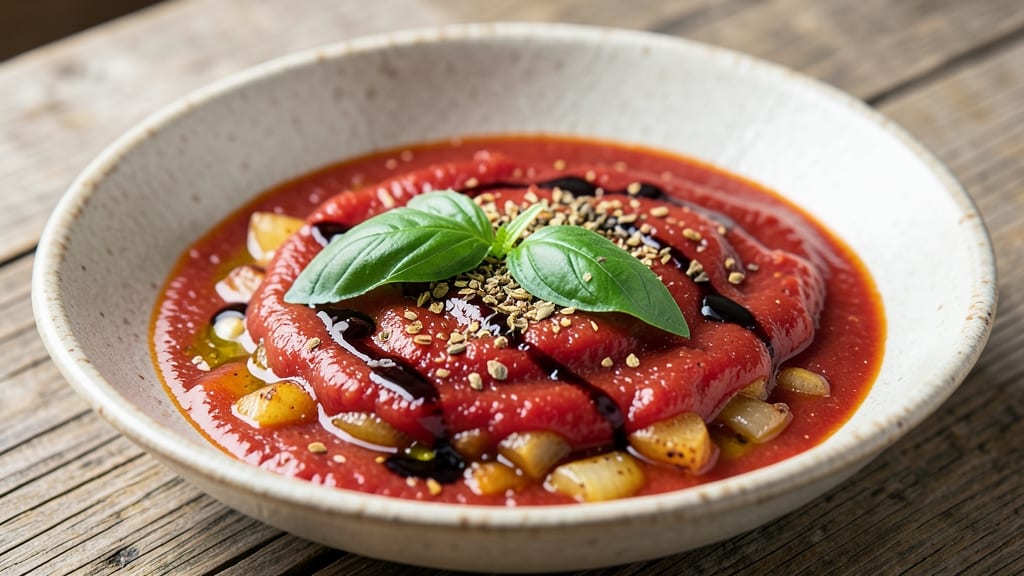
This traditional tomato sauce recipe transforms simple pantry staples into a rich, umami-packed foundation for any Italian meal. The secret lies in slow simmering—letting garlic, onions, and crushed tomatoes meld into a velvety sauce with deep, complex flavors.
I've perfected this method over years of testing, ensuring it delivers that restaurant-quality depth without requiring specialty ingredients.
What sets this sauce apart is its balance of acidity and sweetness, achieved through a precise blend of canned tomatoes, olive oil, and a touch of sugar. The low-and-slow cooking process develops layers of flavor that canned sauces simply can't match.
With just 15 minutes of active prep and 45 minutes of simmering, you'll have a sauce that's versatile enough for pasta, pizza, or even as a standalone condiment.
The result is a smooth, aromatic tomato sauce with a perfect balance of tangy and sweet notes. It thickens naturally as it simmers, creating a velvety texture that clings beautifully to noodles or crusts.
This sauce keeps well in the fridge for up to 5 days or can be frozen for months, making it a perfect pantry staple for any home cook.
Use it as a base for marinara, a topping for bruschetta, or a flavorful addition to soups and stews. The possibilities are endless, but the method remains simple and reliable. Let's get cooking—your taste buds will thank you.
Ingredients for traditional tomato sauce
Pantry staples meet Italian tradition for a sauce that builds depth over time.
| Ingredient | Amount | Notes |
|---|---|---|
| Extra-Virgin Olive Oil 🫒 | ½ cup | High-quality, fruity variety preferred |
| Yellow Onion 🧅 | 1 whole | Medium size, finely chopped |
| Garlic Cloves 🧄 | 4 cloves | Fresh, peeled and minced |
| Canned San Marzano Tomatoes 🍅 | 28 oz | Crushed or whole, no salt added |
| Dried Oregano 🌿 | 1 tsp | Italian oregano preferred |
| Dried Basil 🌿 | 1 tsp | Crushed between fingers |
| Granulated Sugar 🍚 | 1 tbsp | Balances acidity naturally |
| Kosher Salt 🧂 | 1 tsp | Adjust to taste |
| Freshly Ground Black Pepper 🌶️ | ½ tsp | Freshly cracked for best flavor |
| Red Wine Vinegar 🍷 | 1 tbsp | Brightens flavors |
The San Marzano tomatoes are non-negotiable here—their sweetness and low acidity create the perfect base. Trader Joe's and Whole Foods carry them year-round, or check the Italian section of your grocery store. For garlic, fresh is essential—no jarred minced will do. The olive oil should be extra-virgin, with a peppery finish; California or Italian varieties work best. Look for bottles labeled 'first cold press' for optimal flavor. Onions? Any yellow or red will work, but avoid sweet varieties like Vidalia—they can overpower the sauce.
No San Marzano? Other high-quality canned tomatoes (like Muir Glen or Rao's) work in a pinch, but avoid those with added salt or preservatives. Short on fresh herbs? Dried oregano and basil at half the amount keep the flavors intact. The red wine vinegar can be swapped for lemon juice if needed, though it'll be slightly less tangy. Sugar is key for balancing acidity—brown sugar or honey work too, but granulated dissolves cleanly. For a deeper umami punch, add 1 tsp of tomato paste or a pinch of anchovy powder (trust me, you won't taste it).
This sauce thickens as it simmers, so no need for cornstarch. Store in an airtight container in the fridge for up to 5 days, or freeze for 3 months—portion into ice cube trays for easy single-use servings. The flavor actually improves after the first day, as the acids mellow and the aromatics meld. Double the batch and freeze half; you'll thank yourself later when you're tossing pasta on a busy night.
Why You'll Love This Recipe
- Five-Ingredient Magic: I swear by this list—just oil, onion, garlic, tomatoes, and oregano. That’s it. No fancy gadgets, no overcomplicated steps. Honestly, the first time I made it, I thought I’d messed up because it felt too simple. Then I tasted it, and realized: sometimes the best things are this unfussy.
- San Marzano Secret: Between us, the canned San Marzano tomatoes change everything. They’re sweet, meaty, and don’t turn to mush like some store brands. I’ll be real: I’ve tried fresh tomatoes, but this? This is the shortcut that actually tastes like it simmered all day.
- Pasta Party Starter: This sauce is my go-to for weeknight dinners, potlucks, or when my college-age kids show up hungry. Dump it over spaghetti, toss it with grilled chicken, or even slather it on garlic bread. It’s the one sauce that works everywhere—no stress, no last-minute panic.
- Fridge Hero: Let’s talk leftovers. This sauce actually improves overnight—yes, really. I make a big batch on Sundays, and by Wednesday, it’s deeper, richer, and still tastes like I spent hours in the kitchen. Freeze half for when you’re too tired to cook, and thank me later.
Step-by-step instructions for traditional tomato sauce recipe
This method delivers authentic Italian flavor with simple pantry staples and careful technique.
Sauté the Aromatics in Olive Oil
Heat the 0.5 cup extra-virgin olive oil in a heavy-bottomed saucepan over medium-low heat. Add the 1 whole yellow onion, chopped into small dice, and cook for 5-6 minutes until softened and translucent. You'll know it's ready when the onion releases its sweet aroma and begins to caramelize slightly at the edges.
Add the 4 cloves minced garlic and continue cooking for 1-2 minutes until fragrant. Be careful not to let the garlic brown—it should perfume the oil without developing bitterness. This step builds the flavor foundation that will carry through your sauce. If the onions begin to stick, reduce the heat slightly and stir gently to prevent burning.
Add Tomatoes and Initial Seasonings
Pour in the 28 oz canned San Marzano tomatoes, crushing any large pieces with your hands or a wooden spoon. Stir well to combine with the aromatics. Add the 1 tbsp granulated sugar, 1 tsp kosher salt, 1 tsp dried oregano, and 1 tsp dried basil. The sugar helps balance the natural acidity of the tomatoes while enhancing their sweetness.
Bring the mixture to a gentle simmer over medium heat. The sauce should bubble softly without vigorous boiling. Let it cook uncovered for 10-12 minutes, stirring occasionally. This initial simmer allows the flavors to meld and the tomatoes to break down slightly, creating a smoother base for your sauce.
Simmer for Deep Flavor Development
Reduce the heat to low and continue simmering for 20-25 minutes. The sauce should thicken gradually as moisture evaporates. Stir occasionally to prevent sticking, especially if your pan has hot spots. You're looking for a sauce that coats the back of a spoon with a velvety consistency but isn't gluey.
After 20 minutes, taste the sauce and adjust seasoning if needed. Add a pinch more salt if the tomatoes were particularly tart, or a splash of water if the sauce becomes too thick. The key is to develop complex flavors through slow cooking—this is where the umami depth emerges. The sauce should smell rich and aromatic, with layers of tomato, garlic, and herbs.
Finish with Vinegar and Pepper
Stir in the 1 tbsp red wine vinegar and 0.5 tsp freshly ground black pepper. The vinegar brightens the flavors and cuts through any remaining acidity, while the pepper adds a subtle heat. Simmer for another 5 minutes to let these final ingredients meld completely. The sauce should now have a balanced profile—sweet, tangy, savory, and slightly acidic.
Remove from heat and let the sauce rest for 5 minutes before serving. This resting period allows flavors to settle and the sauce to thicken slightly. Serve immediately over pasta, with crusty bread, or use as a base for other Italian dishes. The sauce will keep well in the refrigerator for up to 5 days or can be frozen for 3 months.
Pro Tips For Making Traditional Tomato Sauce
- Sweat the Onion Low: I used to rush this part and end up with bitter, raw onion bits in my sauce. Instead, cook the finely diced onion in olive oil over medium-low heat for 8-10 minutes—just until it’s translucent but not browned. This softens the flavor and prevents that "oniony punch" that ruins the balance.
- Crush Garlic Gently: Minced garlic burns faster than you’d think, especially when you’re stirring the sauce. Instead of pre-mincing, lightly crush the cloves with the flat side of your knife, then let them sit in the warm oil for 30 seconds before adding the onions. This cooks them slowly and keeps the aroma intact—no bitter aftertaste here.
- Salt the Tomatoes Early: Skipping this is a rookie move. After adding the crushed San Marzano tomatoes, sprinkle ½ teaspoon of salt right away and stir. This helps break down the skins and pulls out more flavor before you even think about simmering. (Yes, even if the tomatoes are "low-sodium"—trust the process.)
- Simmer Uncovered, Then Cover: Start with the sauce uncovered on medium heat to evaporate excess moisture and concentrate the flavors—about 15 minutes. Once it thickens slightly, cover loosely (or use a lid ajar) and reduce to a bare simmer. This prevents splattering and keeps the sauce from turning into a watery mess while you’re distracted.
Pro cooking tips for this dish
Low-and-Slow Simmering
This sauce thrives on patience—simmering at low heat for 30-40 minutes total develops depth that high heat can't replicate. I use a heavy-bottomed Dutch oven (like Le Creuset) to prevent scorching and maintain even temperature.
If your pan isn't heavy, reduce heat to medium-low to avoid burning. The sauce should bubble gently, not boil vigorously—this ensures proper flavor extraction without breaking down the tomatoes too quickly. 🌡️
Garlic Timing Matters
Adding garlic too early risks burning, while adding it too late means it won't infuse properly. I add it 1-2 minutes before the onions finish caramelizing—just enough time to perfume the oil without browning.
For extra flavor, lightly toast ½ tsp dried red pepper flakes with the garlic for 30 seconds before adding tomatoes. This adds subtle heat without overpowering the sauce.
Tomato Texture Control
Crushing tomatoes by hand releases more juice and creates a smoother sauce. For a chunkier texture, leave 2-3 whole tomatoes in the can. If using whole peeled tomatoes, break them into ½-inch pieces before adding.
The skin adds body but may make the sauce thicker—adjust with 1-2 tbsp water if needed during simmering.
Acidity Balance Act
The red wine vinegar is crucial for brightening flavors, but too much makes the sauce taste sharp. Start with 1 tbsp and adjust by ½ tsp increments—taste as you go.
For a sweeter sauce, add ½ tsp honey at the end. If your tomatoes are particularly tart (like Roma), reduce vinegar to ½ tbsp and add ½ tsp sugar instead.
Herb Freshness Hacks
Fresh basil transforms this sauce—add 2-3 leaves at the very end and let them wilt into the sauce. For dried herbs, crush them between your fingers before adding to release oils.
If you only have whole dried leaves, lightly toast them in a dry pan for 30 seconds first. This intensifies their flavor significantly.
Sauce Thickness Secrets
This sauce thickens naturally through simmering, but if it's too thin, simmer uncovered for 5-10 more minutes. For a thicker consistency, mash 1-2 crushed tomatoes against the pot sides with a wooden spoon.
Never use cornstarch—it makes the sauce taste artificial. If the sauce splits (separates), whisk in 1 tbsp tomato paste to stabilize it.
Nutrition facts
Frequently asked questions
Can I make this sauce without San Marzano tomatoes?
Yes, but you may need to adjust seasoning. Use high-quality canned tomatoes like Muir Glen or Rao's—avoid brands with added salt or preservatives. Since these tomatoes often have more acidity, reduce the red wine vinegar to ½ tbsp and add ½ tsp extra sugar to balance flavors. The texture will be slightly different but still delicious!
Why does my sauce taste too acidic?
The acidity comes from tomatoes and vinegar, but it's easily fixed! Add ½ tsp sugar or ½ tsp honey to sweeten, or stir in 1 tbsp tomato paste to mellow the tang. If it's still too sharp, simmer uncovered for 5 extra minutes—heat helps evaporate excess acidity.
How can I make this sauce thicker without cornstarch?
Simmer uncovered for 10-15 extra minutes to reduce liquid naturally. For instant thickening, mash 1-2 crushed tomatoes against the pot sides with a wooden spoon. If the sauce splits (separates), whisk in 1 tbsp tomato paste—it stabilizes the emulsion beautifully. Patience is key here!
Can I use this sauce for dishes other than pasta?
This versatile sauce works as a marinara for pizza, a topping for bruschetta, or a base for soups and stews. Try it with grilled chicken, roasted vegetables, or even as a dipping sauce for garlic bread. The slow-simmered flavors elevate any dish it touches.
What's the best way to store leftovers?
Let the sauce cool completely, then transfer to an airtight container. It keeps in the fridge for 5 days—flavor actually improves over time! For freezing, portion into ice cube trays, freeze, then transfer to a bag. Thaw in the fridge overnight for best results. The texture may thicken further when reheated, so add 1-2 tbsp water if needed.