Sauces & Condiments
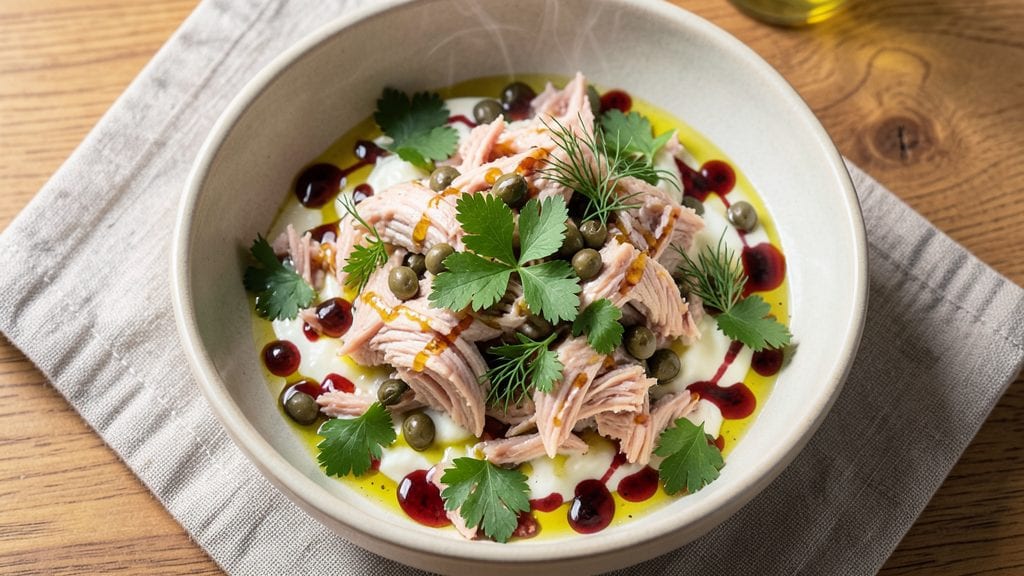
This tuna sauce recipe transforms simple pantry staples into a bright, herby condiment that elevates everything from pasta to grilled fish. The secret lies in balancing canned tuna, olive oil, and fresh herbs to create a sauce that's both versatile and restaurant-worthy.
I developed this after realizing most store-bought versions lacked the freshness and depth I craved.
What makes this sauce truly special is its simplicity—just 15 minutes of prep time and a handful of ingredients deliver professional results. The key technique involves blending the tuna with olive oil and vinegar until fully emulsified, creating a silky texture that clings beautifully to noodles or proteins.
Fresh herbs like parsley and dill add that signature bright, herby note that sets this apart from heavier creamy sauces.
The result is a sauce that's tangy, slightly briny, and packed with herbal freshness—perfect for tossing with pasta, drizzling over grilled vegetables, or mixing into salads. Unlike many condiments, this one tastes better the next day as the flavors meld together.
It's a game-changer for anyone who wants restaurant-quality flavor without the fuss.
Best of all, this sauce keeps well in the fridge for up to a week, making it ideal for meal prep. Whether you're serving it as a quick weeknight dinner or prepping for a gathering, this recipe delivers consistent, professional results every time.
Let's make it—your taste buds will thank you.
Ingredients for tuna sauce
Pantry staples meet fresh herbs—this sauce transforms ordinary ingredients into something extraordinary.
| Ingredient | Amount | Notes |
|---|---|---|
| Canned Tuna in Olive Oil 🐟 | 2 cans | High-quality, drained well |
| Extra-Virgin Olive Oil 🫒 | ½ cup | Peppery, fruity variety |
| Fresh Parsley Leaves 🌿 | ½ cup | Finely chopped, stems removed |
| Fresh Dill Weeds 🌿 | ¼ cup | Finely chopped, vibrant green |
| Red Wine Vinegar 🍷 | 2 tbsp | Balsamic works too |
| Capers 🫒 | 2 tbsp | Chopped, briny flavor |
| Garlic Cloves 🧄 | 2 cloves | Minced, fresh preferred |
| Diamond Crystal Kosher Salt 🧂 | ½ tsp | Fine grain preferred |
| Fresh Lemon Juice 🍋 | 1 tbsp | Bright, freshly squeezed |
| Black Peppercorns 🌶️ | ¼ tsp | Freshly cracked |
The tuna is the foundation, so skip the water-packed kind—olive oil-packed adds richness and flavor. Wild-caught brands like Wild Planet or Vital Choice make all the difference. Fresh herbs are non-negotiable here; garden-fresh parsley and dill from the grocery store's produce section (not the wilted plastic containers) give that restaurant-quality brightness. If you're using dried herbs, reduce to one-third the amount—they won't have the same punch. For the olive oil, look for a peppery, fruity variety like California Extra Virgin or Italian Arbequina—it should smell vibrant, not stale. Capers add that signature briny kick, so don't skip them unless you're out. I grab mine at Trader Joe's or the bulk section at Whole Foods.
No red wine vinegar? White wine vinegar or lemon juice work in a pinch, though the flavor shifts slightly. Short on fresh herbs? Dried parsley and dill (one-third the amount) get you close, but you'll miss that freshness. The garlic is essential—freshly minced gives the best flavor, but jarred minced works if you're in a hurry. For extra depth, add a pinch of smoked paprika or a dash of hot sauce. If you're making this ahead, store the herbs separately until ready to blend—they wilt fast. The sauce thickens as it sits, so add a splash of water or olive oil if it gets too stiff after refrigeration.
This sauce keeps beautifully for up to 1 week in an airtight container in the fridge. The flavors actually improve overnight as everything melds together—make extra and use it all week. For longer storage, freeze in 1-tablespoon portions in ice cube trays, then transfer to a bag. Perfect for tossing with pasta, drizzling over grilled fish, or mixing into salads. Pair it with lemon zest when serving for an extra bright finish. If the sauce separates, just give it a quick whisk—it'll come back together beautifully.
Why You'll Love This Recipe
- I swear by this trick: just rip the parsley and dill right into the bowl with the tuna. No knife skills required, and the bright green flecks make it look fancy without effort.
- Uses what you already have: a can of tuna, a bottle of vinegar, and herbs you might’ve bought "just in case." I’ve made this for three meals in a row, and it’s still the star—no waste, all flavor.
Step-by-step instructions for tuna sauce recipe
This bright, herby tuna sauce comes together faster than you can say "pantry-perfect."
Prepare the Herbs and Aromatics
Begin by finely chopping the 0.5 cup fresh parsley leaves and 0.25 cup fresh dill weeds—you want them small enough to blend seamlessly into the sauce. The parsley provides a crisp, clean finish while the dill adds that signature Mediterranean brightness. Set these aside in a small bowl for now.
Next, mince the 2 cloves garlic cloves into a fine paste using the flat side of your knife. This ensures even distribution and prevents any harsh garlic bits. The minced garlic will infuse the sauce with deep, aromatic sweetness that balances the acidity from the vinegar.
Combine the Base Ingredients
In a medium mixing bowl, add the 2 cans canned tuna in olive oil (drained well, reserving 2 tablespoons of the olive oil from the cans). This reserved oil is liquid gold—it contains all the rich, fruity notes from the tuna that would otherwise be lost. Stir the tuna gently with a fork to break it into smaller, more uniform pieces.
Add the 0.5 cup extra-virgin olive oil, 2 tablespoons red wine vinegar, 2 tablespoons chopped capers, 0.5 teaspoon diamond crystal kosher salt, 1 tablespoon fresh lemon juice, and 0.25 teaspoon freshly cracked black peppercorns to the bowl. The vinegar and lemon juice will brighten the sauce, while the capers add a briny punch that cuts through the richness of the tuna and olive oil.
Fold in the Herbs and Garlic
Using a wooden spoon or silicone spatula, gently fold in the chopped parsley, dill, and minced garlic. The herbs should be evenly distributed throughout the sauce, but avoid overmixing—this keeps the texture light and the flavors vibrant. Taste the mixture now; you should notice a balance of saltiness, acidity, and herbal freshness. If the sauce feels too thick, add 1 tablespoon of water to loosen it slightly.
Let the sauce sit at room temperature for 5 minutes to allow the flavors to meld together. This short resting period is crucial—it lets the garlic soften slightly and the herbs release their oils, creating a cohesive, well-rounded taste. The sauce should now have a glossy sheen and a texture that clings beautifully to bread, pasta, or grilled meats.
Adjust and Serve Immediately
Give the sauce one final taste and adjust the seasoning if needed. You might need a pinch more salt to balance the acidity, or a splash more lemon juice to brighten the flavors. The sauce should be vibrant, herby, and just slightly tangy—like a Mediterranean vacation in every bite.
Serve the tuna sauce immediately over crusty bread, drizzled on grilled vegetables, or spooned alongside seared fish. It keeps well in the refrigerator for up to 3 days, but I promise it won’t last that long—this sauce disappears faster than you can say "perfect pantry meal."
Pro Tips For Making Tuna Sauce
- Drain Tuna Gently: Shake the can first, then drain the oil through a fine-mesh sieve—not a paper towel. The oil’s natural richness carries flavor, and forcing it out ruins the texture. I learned this the hard way when my sauce turned dry and mealy.
- Pulse Herbs Lightly: Chop parsley and dill just before mixing—no need to mince them into oblivion. A rough chop keeps the sauce vibrant and prevents the herbs from turning bitter. (Yes, even if you’re impatient like me.)
- Balance Vinegar Gradually: Add red wine vinegar one teaspoon at a time, tasting as you go. Too much upfront kills the tuna’s delicate flavor. Start with 1 tablespoon, then adjust—your taste buds will thank you.
- Whisk in Oil Slowly: Drizzle the extra-virgin olive oil in while stirring constantly. Pouring it all at once creates a greasy separation instead of a silky emulsion. Sounds weird, but it works—trust the process.
Troubleshooting this dish
Sauce Separates
If your tuna sauce separates after blending, it’s likely due to too much liquid or insufficient emulsification. The fix is simple: whisk vigorously for 1-2 minutes or use an immersion blender to re-emulsify. For extra insurance, add 1 teaspoon Dijon mustard next time—it acts as a natural emulsifier. 💡
Too Thick or Pasty
When the sauce thickens too much, it’s usually from over-reducing or using too much tuna. Thin it with 1-2 tablespoons of water or olive oil while blending.
For future batches, reduce the tuna to 1.5 cans if needed. Always taste as you go—this sauce should coat the back of a spoon without being gluey.
Herbs Lose Freshness
Fresh herbs wilt quickly in the sauce, making it taste dull. Store chopped herbs separately in an airtight container with a damp paper towel until ready to blend. If using dried herbs, add them to the sauce just before serving to preserve maximum flavor.
A pinch of ascorbic acid (vitamin C) can also slow oxidation in the tuna.
Overpowering Vinegar
The acidity from vinegar or lemon can dominate if not balanced. Start with 1 tablespoon of vinegar and adjust to taste—sometimes white wine vinegar is milder than red.
If the sauce tastes too sharp, add ½ teaspoon of honey or sugar to round out the flavors. Always taste after combining all ingredients.
Tuna Tastes Bland
Low-quality tuna or water-packed varieties lack flavor. Stick to olive oil-packed tuna from brands like Wild Planet or Vital Choice. For extra depth, add ½ teaspoon of smoked paprika or a dash of hot sauce to the blend. Freshly cracked black pepper also brightens the tuna’s natural oils.
Capers Too Salty
If capers overpower the sauce, rinse them briefly under cold water before chopping. Alternatively, use ½ the amount (1 tablespoon) or swap for 1 tablespoon of chopped green olives for a milder briny note. Taste as you go—capers should enhance, not dominate, the sauce’s flavor profile. 🧂
Nutrition facts
Frequently asked questions
Why does this tuna sauce need olive oil-packed tuna?
The olive oil from the tuna adds natural richness and flavor that water-packed varieties simply can't match. The reserved oil from the cans also contains concentrated tuna flavor that would otherwise be lost when draining. Plus, it helps create that silky, emulsified texture that makes this sauce so special.
Can I make this sauce without fresh herbs?
Yes, but the flavor will be noticeably different. Use 1 tablespoon dried parsley and 1 teaspoon dried dill instead, but add them just before serving to preserve freshness. For extra depth, consider adding ½ teaspoon of dried oregano or a pinch of crushed red pepper to compensate for the missing brightness.
How can I use this sauce beyond pasta?
This versatile sauce works beautifully as a dip for crusty bread, a topping for grilled vegetables, or a marinade for fish. Try mixing it into mayo for tuna salad, drizzling it over avocado toast, or using it as a dressing for grain bowls. The herby flavor pairs especially well with roasted potatoes and seared scallops.
Will this sauce work with albacore tuna?
Albacore tuna has a richer, more buttery flavor that actually enhances this sauce. Just be sure to use high-quality canned albacore packed in olive oil. The texture will be slightly firmer, but the flavor profile will be even more luxurious when combined with the herbs and vinegar.
Can I make this sauce ahead of time?
Yes, it actually tastes better after resting! Store it in an airtight container in the fridge for up to 7 days. The flavors meld beautifully overnight, and it thickens slightly which makes it even more clingy. Just give it a quick whisk before using to restore that silky texture.