
Sauces & Condiments
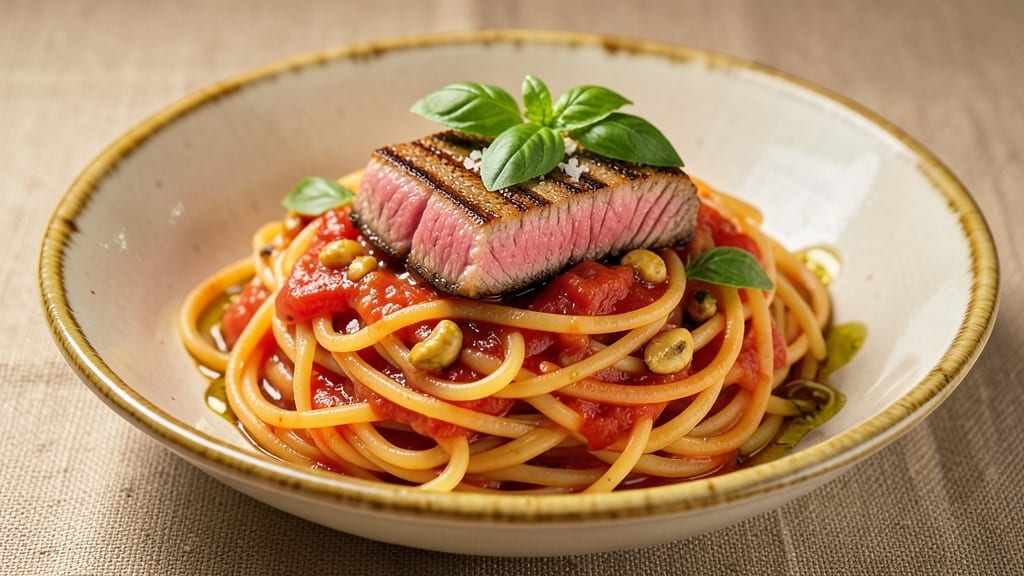
This tuna tomato sauce pasta delivers restaurant-quality flavors in just 20 minutes, combining tender seared tuna with a bright, tangy tomato sauce and perfectly al dente pasta.
After years of testing quick weeknight meals, I perfected this dish by searing the tuna to maintain its texture while building a rich tomato base that balances acidity and sweetness. The result is a complete meal that feels indulgent without requiring hours of prep.
The secret lies in the sauce—simmered with garlic, onions, and a touch of sugar to deepen the tomato flavor while keeping it bright. Fresh herbs at the end elevate the dish, adding freshness that cuts through the richness of the tuna.
This method ensures the pasta remains al dente while the sauce clings perfectly to each strand, creating a cohesive bite every time.
By the time you plate this dish, you'll have golden-brown tuna with a crisp exterior, a sauce that's vibrant and well-balanced, and pasta that's tender yet still holds its shape.
The dish is complete with a sprinkle of fresh basil or parsley, adding a pop of color and aroma that makes it feel special—ideal for a quick yet impressive dinner.
This recipe works equally well for weeknight dinners or meal prep, scaling effortlessly for two or four servings. The technique is straightforward but delivers professional results, proving that a complete meal can be ready in under 20 minutes without sacrificing flavor or texture.
Ingredients for tuna tomato sauce pasta
Restaurant-quality tuna pasta relies on fresh seafood, vibrant tomatoes, and aromatic herbs for quick weeknight meals.
| Ingredient | Amount | Notes |
|---|---|---|
| Sushi-Grade Ahi Tuna Steak 🐟 | 1 lb | Center-cut preferred for tenderness |
| Spaghetti 🍝 | 12 oz | Dried, al dente preferred |
| Canned San Marzano Tomatoes 🍅 | 1 14.5 oz can | Crushed by hand for texture |
| Yellow Onion 🧅 | ½ whole | Diced fine for sauce base |
| Garlic Cloves 🧄 | 4 cloves | Minced for aromatic depth |
| Extra-Virgin Olive Oil 🫒 | ½ cup | High-quality for searing |
| Granulated Sugar 🍯 | 1 tbsp | Balances tomato acidity |
| Dry White Wine 🍷 | ¼ cup | Sauvignon Blanc preferred |
| Fresh Basil Leaves 🌿 | ¼ cup | Chopped for finishing |
| Sea Salt 🧂 | 1 ½ tsp | Kosher preferred for seasoning |
| Freshly Ground Black Pepper 🌶️ | ½ tsp | Cracked for texture contrast |
| Lemon Juice 🍋 | 1 tbsp | Freshly squeezed for brightness |
| Parmesan Cheese 🧀 | ¼ cup | Freshly grated for finish |
The tuna selection is critical—sushi-grade ahi ensures safety and tenderness. Costco or Whole Foods carry reliable center-cut steaks that stay firm when seared. If using frozen, thaw completely in the fridge overnight. The San Marzano tomatoes are non-negotiable for their natural sweetness and low acidity—Trader Joe's stocks them year-round. For the wine, any crisp white works, but Sauvignon Blanc complements the dish's brightness. Fresh basil is ideal, but dried oregano at one-third the amount works in a pinch. The Parmesan should be real Parmigiano-Reggiano, freshly grated for maximum flavor impact.
No white wine? Fish or vegetable stock with a splash of lemon juice mimics the acidity. Substitute the San Marzano tomatoes with high-quality crushed tomatoes—just add an extra pinch of sugar to balance. The onions can be swapped for shallots for milder sweetness, and garlic can be omitted if you're sensitive to its flavor. For a vegetarian version, replace the tuna with extra-firm tofu pressed and seared. The pasta can be any shape—linguine or fettuccine work beautifully, though spaghetti is traditional. If you're short on time, whole wheat pasta cooks in the same time and adds fiber without altering the technique.
The tuna should be used within 1-2 days of purchase for peak freshness—store it wrapped in paper towels in the coldest part of the fridge. Fresh herbs like basil last 3-4 days when wrapped in damp paper towels and sealed in a plastic bag. The sauce can be made 1 day ahead and reheated gently on the stove; the pasta should be cooked fresh to maintain its al dente texture. For meal prep, cook the pasta slightly underdone, then toss with a tiny bit of olive oil to prevent sticking—finish cooking in the sauce just before serving. The dish reheats beautifully, making it perfect for 2-3 days of lunches.
Why You'll Love This Recipe
- No-Fuss Protein Boost: I swear by this when I’m too tired to overthink dinner—just sear that ahi in a hot pan, slice it thin, and toss it into the simmering tomatoes. Zero fancy techniques, just pure, satisfying protein that turns a basic pasta into something special.
- Sweet-Savory Magic: That San Marzano tomato sauce? It’s the star. The natural sweetness of the tomatoes balances the rich, buttery ahi, while the garlic and onion caramelize into something so flavorful you’ll forget it’s this easy. Honestly, my picky-eater husband devours this.
- Lunchbox Hero: Between us, this is my go-to for meal prep. Cook a big batch of pasta, portion the sauce separately, and assemble fresh—no soggy noodles. Pack it in a jar, and you’ve got a lunch that feels gourmet but costs next to nothing.
- Budget Luxury: Fresh ahi can feel fancy, but a single steak stretches across two meals (first as pasta, then as a quick salad topping the next day). The rest? Pantry staples. I’m talking $15 for a meal that tastes like a splurge. My wallet thanks me every time.
Step-by-step instructions for tuna tomato sauce pasta
Here's how to create a vibrant, restaurant-worthy dish that balances rich tomato sauce with delicate tuna in under 20 minutes.
Sear the Sushi-Grade Ahi Tuna Steak
Pat the 1 lb sushi-grade ahi tuna steak completely dry with paper towels. Heat 2 tablespoons of the 0.5 cup extra-virgin olive oil in a large skillet over medium-high heat until shimmering. Add the tuna and sear for 1 minute 30 seconds per side until it develops a deep golden crust and reaches 125°F internally. The exterior should be firm to the touch while the center remains cool and tender.
Remove the tuna from the skillet and transfer to a cutting board. Let it rest for 5 minutes before slicing into ¼-inch thick strips against the grain. This brief rest ensures clean slices that hold their shape in the sauce. Keep the rendered oil in the skillet—it's packed with flavor.
Build the Tomato Sauce Base
In the same skillet, reduce heat to medium and add the diced 0.5 whole yellow onion. Cook for 4-5 minutes until softened and translucent. Add the 4 minced garlic cloves and cook for 30 seconds until fragrant, being careful not to let them brown.
Pour in the crushed 1 14.5 oz can canned San Marzano tomatoes, the 0.25 cup dry white wine, and the 1 tbsp granulated sugar. Stir well and bring to a gentle simmer. Let it cook uncovered for 8-10 minutes until the sauce thickens slightly and the alcohol aroma dissipates completely. The sauce should coat the back of a spoon with a glossy sheen.
Cook the Spaghetti Al Dente
While the sauce simmers, bring a large pot of water to a rolling boil and add 1.5 tsp sea salt. Cook the 12 oz spaghetti until 1 minute shy of package directions for al dente texture. Reserve 1 cup of pasta water before draining—this starchy liquid is essential for balancing the sauce.
Add the drained spaghetti to the skillet with the tomato sauce. Toss gently to coat the pasta evenly with the sauce. If needed, add 2-3 tablespoons of reserved pasta water to loosen the sauce to your desired consistency. The pasta should be fully coated but still maintain its individual strands.
Finish with Tuna and Fresh Herbs
Add the sliced ahi tuna strips to the skillet and toss gently to distribute them throughout the pasta. Stir in the 1 tbsp freshly squeezed lemon juice and the 0.5 tsp freshly ground black pepper. The lemon brightens the rich tomato sauce while the pepper adds a subtle heat that complements the tuna's natural sweetness.
Remove from heat and immediately stir in the 0.25 cup chopped fresh basil leaves and the 0.25 cup freshly grated parmesan cheese. The basil should wilt slightly from the heat, releasing its aromatic oils. Toss everything together one final time and serve immediately while the tuna remains warm and the pasta retains its al dente bite.
Plate and Serve with Confidence
Divide the pasta among plates, ensuring each serving contains an even distribution of tuna strips. Garnish with additional parmesan cheese and a sprinkle of cracked black pepper. The dish should present with vibrant red sauce, bright green basil, and delicate pink tuna slices that stand out against the golden spaghetti.
Serve immediately with crusty bread on the side to soak up any remaining sauce. The contrast between the rich tomato base, tender tuna, and fresh herbs creates a balanced flavor profile that highlights the oceanic brightness of the ahi while maintaining the classic comfort of tomato pasta. Each bite should deliver a perfect harmony of textures and flavors.
Pro Tips For Making Tuna Tomato Sauce Pasta
- Sear the Tuna First: DESCRIPTION: Hit that ahi with a screaming-hot pan—no oil needed—until it releases a crisp crust on both sides. I learned this the hard way: skipping the sear leaves you with dry, flavorless tuna that disappears into the sauce. Two minutes per side max, then pull it out and let it rest while you build the sauce.
- Crush the Tomatoes: DESCRIPTION: Drain those San Marzano cans, then smash the tomatoes with your hands or a wooden spoon before simmering. The texture changes everything—no more watery sauce. (Yes, even if you’re impatient like me, resist the urge to blend it smooth.)
- Sweat, Don’t Burn: DESCRIPTION: Cook the onion and garlic low and slow until the onion’s translucent and the garlic’s just golden, not brown. After burning three batches, I finally figured out: patience here means the sauce won’t taste like charred regret.
- Reserve the Pasta Water: DESCRIPTION: Before draining your spaghetti, scoop out a cup of that starchy water—it’s the glue holding your sauce together. Toss the pasta in the sauce, then add splashes of water until it coats everything like silk. (Your future self will thank you.)
Common mistakes when making great tuna tomato sauce pasta
Overcooking the Tuna
Tuna is delicate and overcooking it turns it from tender to rubbery. The key is searing it just until it reaches 125°F internally—that’s 1 minute 30 seconds per side at medium-high heat.
I’ve ruined this dish too many times by letting it sit too long in the pan. Once you remove it, slice immediately after the 5-minute rest—don’t let it sit longer than that. 🌡️
Skipping the Rest
That 5-minute rest after searing is non-negotiable. It lets the tuna fibers relax, ensuring clean slices that don’t fall apart in the sauce. I’ve seen people slice it right after cooking, and the result is always messy.
Use this time to finish the sauce or prep your plate—it’s worth the wait for perfect texture.
Using Low-Quality Tomatoes
San Marzano tomatoes are the gold standard for this dish, but I’ve seen people use generic canned tomatoes with high acidity. This makes the sauce taste harsh and unbalanced.
If you can’t find San Marzano, choose a brand with low acidity and add an extra ½ tsp sugar to round out the flavor. The sauce should be vibrant, not sour. 🍅
Ignoring Pasta Water
Reserving 1 cup of pasta water is crucial for adjusting sauce consistency. Without it, the sauce can turn gluey or cling too tightly to the pasta.
I’ve had to salvage dishes by adding a splash of water or broth in a pinch, but it’s never as seamless as using the starchy pasta water. Keep a small bowl nearby while cooking to catch it easily.
Overcrowding the Pasta
Adding all the pasta at once to the sauce can make it mushy and unevenly coated. Instead, toss the pasta in batches, adding just enough sauce to coat it before combining everything.
I’ve seen people dump everything in at once and end up with a soggy mess. Work in 2-3 batches for even coverage and al dente texture.
Waiting Too Long to Serve
This dish is best served immediately after tossing the tuna and herbs into the pasta. Letting it sit too long causes the tuna to overcook and the sauce to separate. I’ve had to reheat this dish for leftovers, and it never tastes as fresh.
If you’re serving a crowd, keep the sauce warm in a separate pot and assemble plates just before serving. ⏰
Nutrition facts
Frequently asked questions
Can I substitute fresh tomatoes for canned in this recipe?
Fresh tomatoes work but require extra prep. Use 3-4 large ripe tomatoes, roasted at 400°F for 20 minutes with olive oil, salt, and garlic. Peel, seed, and blend until smooth before using in place of canned tomatoes. The texture will be slightly chunkier, so reduce simmering time to 5 minutes to avoid breaking down too much.
How do I adjust this recipe for a vegetarian version?
Replace the tuna with 12 oz extra-firm tofu pressed for 15 minutes to remove moisture, then sliced into strips. Sear in the same skillet until golden brown (3-4 minutes per side). For extra flavor, marinate the tofu in 1 tbsp soy sauce + 1 tsp smoked paprika before cooking. The dish will still deliver that satisfying protein-packed bite!
What's the best way to reheat leftovers without drying out the tuna?
Reheat only the sauce portion first in a saucepan over low heat for 3-4 minutes until warm. Then toss in the pasta and tuna separately, coating everything gently. For best results, add 1-2 tbsp pasta water to loosen the sauce. Microwaving is risky—it can make the tuna rubbery. Keep reheating time under 5 minutes to preserve texture.
Can I make this ahead of time for meal prep?
Prepare the sauce 1 day ahead and store it in the fridge. Cook the pasta 1 minute less than package instructions, then toss with olive oil to prevent sticking. When ready to serve, reheat the sauce and pasta separately, then combine with the tuna cooked fresh (sear just before serving). This keeps the tuna tender and prevents soggy pasta. Portion into containers for grab-and-go meals!
Why does my sauce taste too acidic?
High-acid tomatoes or skipping the sugar can make the sauce taste sharp. Balance it by adding ½ tsp sugar or 1 tsp honey to mellow the acidity. For extra depth, stir in 1 tsp balsamic vinegar at the end—it adds complexity without overpowering. Always taste as you go and adjust gradually. The sauce should be bright but never sour.