
Sauces & Condiments
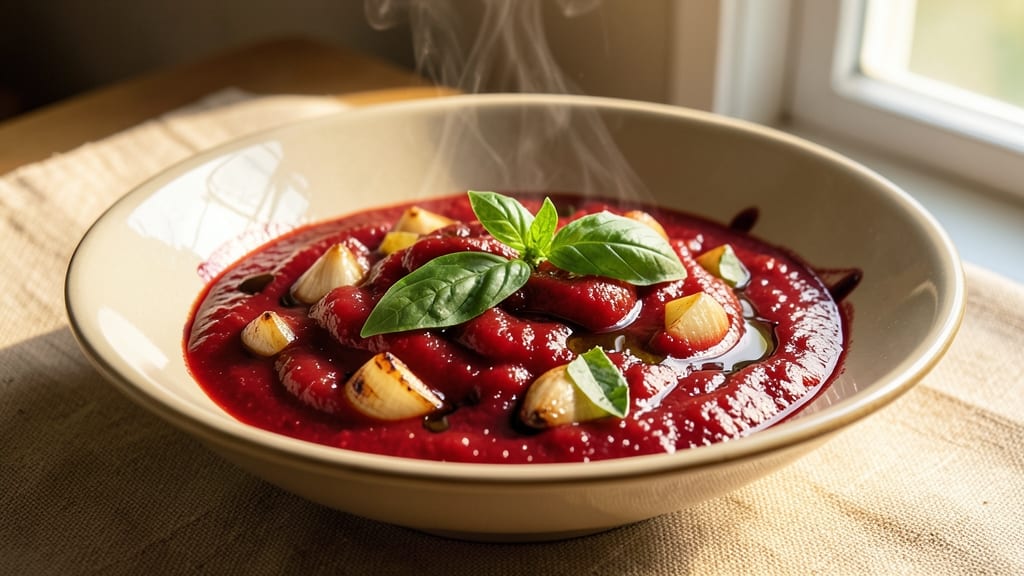
This classic red sauce recipe delivers the rich, velvety tomato-basil perfection that elevates every Italian dish from ordinary to extraordinary. The secret lies in slow simmering—letting the flavors meld and deepen over time while balancing acidity with sweetness for that signature restaurant-quality taste.
I’ve perfected this over years of testing, and the difference between homemade and store-bought becomes immediately obvious the first time you taste it.
The foundation starts with high-quality canned tomatoes and fresh basil, but it’s the technique that transforms simple ingredients into something extraordinary. A splash of red wine and a touch of sugar during simmering create complexity, while garlic and onions build a flavor base that stands up to any dish.
The sauce thickens naturally as it reduces, creating that ideal consistency—neither too thin nor cloyingly thick.
By the time you’re done, you’ll have a perfectly balanced sauce with vibrant acidity, aromatic herbs, and a depth of flavor that pairs beautifully with pasta, pizza, or grilled meats. The aroma alone will have everyone asking what’s for dinner.
This isn’t just a sauce—it’s the heart of any Italian meal, and once you make it from scratch, you’ll never go back.
Use it immediately for freshness or store it in the fridge for up to 5 days, or freeze for months. The versatility is what makes this recipe a kitchen staple—whether you’re tossing it with spaghetti, drizzling it over bruschetta, or using it as a marinade.
Here’s how to make it classic every single time.
Ingredients for classic red sauce
Nine simple ingredients transform into velvety perfection—no shortcuts needed.
| Ingredient | Amount | Notes |
|---|---|---|
| San Marzano Crushed Tomatoes 🍅 | 2 cans | 28 oz each, no salt added |
| Extra-Virgin Olive Oil 🫒 | ½ cup | High-quality, fruity variety |
| Fresh Basil Leaves 🌿 | 1 ½ cups | Packed, stems removed |
| Garlic Cloves 🧄 | 4 cloves | Peeled, finely minced |
| Yellow Onion 🧅 | 1 whole | Medium, finely diced |
| Red Wine 🍷 | ½ cup | Dry, bold variety |
| Granulated Sugar 🍬 | 1 tbsp | Balances acidity |
| Diamond Crystal Kosher Salt 🧂 | 1 tsp | Adjusts to taste |
| Black Peppercorns 🌶️ | ½ tsp | Freshly cracked |
The tomatoes make or break this sauce. San Marzano is non-negotiable—they’re sweeter, less acidic, and burst with flavor. Grab the 28-ounce cans from the Italian section at Whole Foods or Trader Joe's—they’re worth the splurge. Fresh basil? Farmers markets have the best, but if you’re buying at the grocery store, pick leaves that are vibrant green with no yellowing. The garlic and onion? Yellow onions add sweetness, but red onions work too if that’s what’s on hand. Toast your garlic in the olive oil first—this builds flavor that raw garlic just can’t match.
No red wine? Substitute beef broth with a splash of balsamic vinegar—it cuts through the acidity beautifully. Short on sugar? Swap for honey or maple syrup, but reduce by half since they’re sweeter. The olive oil matters—avoid the cheap stuff. A good EVOO (like Colavita or Bertolli) adds richness that vegetable oil can’t replicate. For the basil, if you’re using dried, reduce to one-third the amount—it’s potent stuff. And if you’re worried about the sauce being too thin, remember: it’ll thicken as it reduces. Patience is key here.
This sauce tastes even better the next day—always make a double batch if you can. Store it in airtight jars in the fridge for up to 5 days, or freeze for 3 months. I like to portion it into ice cube trays for easy single-use servings—perfect for quick pasta nights. The aroma alone will have your kitchen smelling like an Italian trattoria. Freeze any extra in ziplock bags, squeezing out excess air to prevent freezer burn.
Why You'll Love This Recipe
- Same sauce, endless uses: toss it with pasta for a 15-minute meal, slather it on grilled chicken for Sunday supper, or even drizzle it over roasted veggies when you’re feeling fancy. It’s my go-to for when I need something reliable that still feels special.
- Five-Ingredient Magic: This sauce comes together with just a handful of ingredients—no cluttered pantry raids or fancy gadgets. I swear by that first sizzle of olive oil in the pan, where the onions caramelize just enough to melt into the tomatoes like a secret handshake.
- Garlic-Basil Bliss: The moment fresh basil hits simmering tomatoes? Pure satisfaction. That bright, peppery punch from the garlic and basil leaves—it’s the kind of flavor that makes you pause mid-stir and think, "Why didn’t I do this sooner?"
- Weeknight to Dinner Party: Same sauce, endless uses: toss it with pasta for a 15-minute meal, slather it on grilled chicken for Sunday supper, or even drizzle it over roasted veggies when you’re feeling fancy. It’s my go-to for when I need something reliable that still feels special.
Step-by-step instructions for tomato-basil simmered to perfection
Here's the method for a rich, balanced sauce that captures the essence of Italian tradition.
Sauté Aromatics Until Fragrant
Heat the 0.5 cup extra-virgin olive oil in a heavy-bottomed saucepan over medium heat. Add the 1 whole yellow onion, diced into ¼-inch pieces, and cook for 5-6 minutes until softened and translucent. The onion should release its sweetness without browning.
Add the 4 cloves minced garlic and cook for another 30 seconds until the raw garlic aroma disappears. This step builds the flavor foundation—don't rush it. The garlic should just begin to turn golden before moving forward. Here's where it gets crucial: if the garlic starts to brown too quickly, reduce the heat to medium-low to prevent bitterness.
Deglaze and Simmer the Tomatoes
Pour in the 0.5 cup red wine and scrape up any browned bits from the bottom of the pan with a wooden spoon. This deglazing captures all the caramelized flavor. Let the wine simmer for 3-4 minutes until reduced by half and nearly evaporated.
Add the 2 cans San Marzano crushed tomatoes and 1 tablespoon granulated sugar. Stir well to combine, then bring to a gentle boil. Reduce heat to low and let it simmer uncovered for 20-25 minutes, stirring occasionally. You're looking for a thickened consistency—about the thickness of heavy cream. The sauce should coat the back of a spoon smoothly.
Incorporate Basil and Season
Add the 1.5 cups fresh basil leaves and stir gently. The basil will release its aromatic oils as it warms through. Simmer for another 5 minutes—just enough to wilt the leaves without turning them to mush. Remove from heat immediately after the basil is incorporated.
Season with 1 teaspoon Diamond Crystal kosher salt and 0.5 teaspoon freshly cracked black peppercorns. Taste and adjust—this sauce should balance sweet, acidic, and savory notes perfectly. The sugar helps round out the acidity of the tomatoes, while the salt and pepper enhance the depth of flavor. Let it rest for 10 minutes off the heat before serving to allow the flavors to meld completely.
Blend for Silky Texture (Optional)
For a smoother texture, transfer the sauce to a blender or use an immersion blender right in the pan. Pulse until the basil is finely incorporated but the sauce retains some texture. This step is optional—some prefer the rustic texture of visible basil flecks, while others love the silky smoothness. If blending, return the sauce to the pan and heat gently for 2-3 minutes to restore its temperature.
This sauce delivers on the promise of classic Italian flavor—rich, aromatic, and perfectly balanced. It's ideal for pairing with pasta, grilled meats, or even as a pizza base. The key is patience in the simmering process, which allows all the flavors to develop fully. Serve immediately while warm, or store in the refrigerator for up to 5 days—it only gets better with time as the flavors deepen.
Pro Tips For Making Classic Red Sauce
- Sweat the Onion First: I learned this the hard way—raw onion in tomato sauce tastes like sad, watery mush. Finely dice it and cook it in olive oil over medium-low heat until it’s translucent but not browned. This step actually changes the flavor, not just the texture.
- Crush Garlic, Don’t Mince: Whole cloves burn fast and turn bitter. Use a flat side of your knife to smash 3-4 cloves into thin slices (not paste) before adding them to the oil. They’ll infuse flavor without overpowering the sauce—trust the process.
- Salt the Tomatoes Early: Toss the crushed San Marzano tomatoes with a generous pinch of salt right when you add them to the pot. This draws out excess water and lets the sauce thicken properly. (Yes, even if you’re impatient like me.)
- Finish with Cold Basil: Tear fresh basil leaves at the end and let them steep in the warm sauce for just 30 seconds. Then remove them—this keeps the flavor bright, not bitter. Sounds weird, but it works: the sauce tastes like summer, not like you boiled the leaves.
Wine and beer pairings for this classic red sauce
Wine Pairings
A bold Chianti Classico from Tuscany is the perfect match for this classic red sauce—its bright acidity and cherry notes mirror the sauce’s vibrant tomato flavors. I reach for Castello di Volpaia Chianti Classico because its earthy undertones complement the basil and garlic beautifully.
The tannins also cut through the sauce’s richness, balancing the meal. 🍷
For a lighter option, try a Pinot Noir from Piedmont, like Gavi di Gavi. Its delicate red fruit flavors and subtle spice notes enhance the sauce’s brightness without overpowering it. This wine’s crisp finish cleanses your palate between bites of pasta or pizza.
If you prefer white wine, a Vermentino from Sardinia shines—its citrusy acidity and mineral notes stand up to the sauce’s depth. I love La Giustiniana Vermentino for its refreshing contrast to the rich tomato base.
Beer Pairings
A crisp Italian lager like Peroni or Moretti is my go-to—its clean, effervescent quality refreshes your palate between bites. The subtle malt sweetness also harmonizes with the sauce’s natural sugars.
For a local twist, try a Belgian witbier like Hoegaarden, which adds a citrusy brightness that cuts through the dish’s richness.
For a heartier option, pair with a German Helles Lager such as Weihenstephaner Original. Its malty backbone and gentle hop bitterness provide a satisfying contrast to the sauce’s acidity. Avoid heavy IPAs or stouts—they’ll clash with the delicate tomato-basil profile.
Unexpected Pairings
Surprisingly, a dry rosé from Provence works beautifully—its crisp acidity and red fruit notes echo the sauce’s brightness. I love Whispering Angel for its elegant balance. This pairing feels unexpected yet perfectly harmonious, especially with grilled meats or bruschetta.
For a non-alcoholic option, try a sparkling blood orange soda like San Pellegrino Aranciata Rossa. The effervescence and citrus notes mirror the sauce’s acidity, while the sweetness complements its depth. It’s a refreshing twist that still feels sophisticated.
Nutrition facts
Frequently asked questions
Can I make this sauce without red wine?
Replace the 0.5 cup red wine with 0.5 cup beef broth plus 1 tablespoon balsamic vinegar. The vinegar adds depth while balancing acidity, and the broth keeps the sauce flavorful. For extra richness, add 1 teaspoon tomato paste to the onions before deglazing.
Why does my sauce taste too acidic?
Tomatoes naturally vary in acidity, and simmering too long can intensify it. Balance it by adding ½ teaspoon sugar or 1 teaspoon honey per cup of sauce, then taste. If it’s still sharp, stir in 1 tablespoon tomato paste or a pinch of salt to mellow the flavor. The sugar in the recipe is key—don’t skip it!
How do I store leftover sauce?
Let it cool completely, then transfer to an airtight container. It keeps in the fridge for 5 days or freezes for 3 months. For easy use, portion into ice cube trays, cover with water, and freeze—pop out cubes for single servings later. Thaw overnight in the fridge before reheating.
Can I use dried basil instead of fresh?
Yes, but reduce the amount to 1 teaspoon dried basil (about ⅓ cup fresh). Dried basil has a more concentrated flavor, so it can overpower the sauce if used in equal amounts. Add it with the salt at the end and simmer for 2-3 minutes to infuse the flavors without bitterness.
Is this sauce suitable for meat-based dishes like lasagna?
This recipe works beautifully for meat dishes, but for lasagna or bolognese, add 1 cup crushed tomatoes and ½ cup red wine to double the batch. For extra richness, stir in 2 tablespoons tomato paste during simmering. The sauce’s acidity helps tenderize meat, while the herbs add brightness to hearty dishes.